


Circulation à contresensNouvelle-Zélande
 Règles de circulation
 Nouvelle-Zélande
25. Circulation à contresens
La circulation à contresens se produit lorsqu’un conducteur roule dans le sens opposé au sens de circulation légalement autorisé. Cela peut arriver sur une route à sens unique, une route à chaussées séparées, une entrée ou sortie d’autoroute ou une autre section réservée à une seule direction.
La circulation à contresens crée un risque extrême de collision frontale. Les conducteurs doivent respecter les panneaux directionnels, les sens interdits, les flèches de voie et les marquages routiers. Toute personne s’engageant accidentellement à contresens doit ralentir, avertir les autres usagers, s’arrêter à l’endroit le plus sûr disponible et contacter les services d’urgence.
What is wrong-way driving?
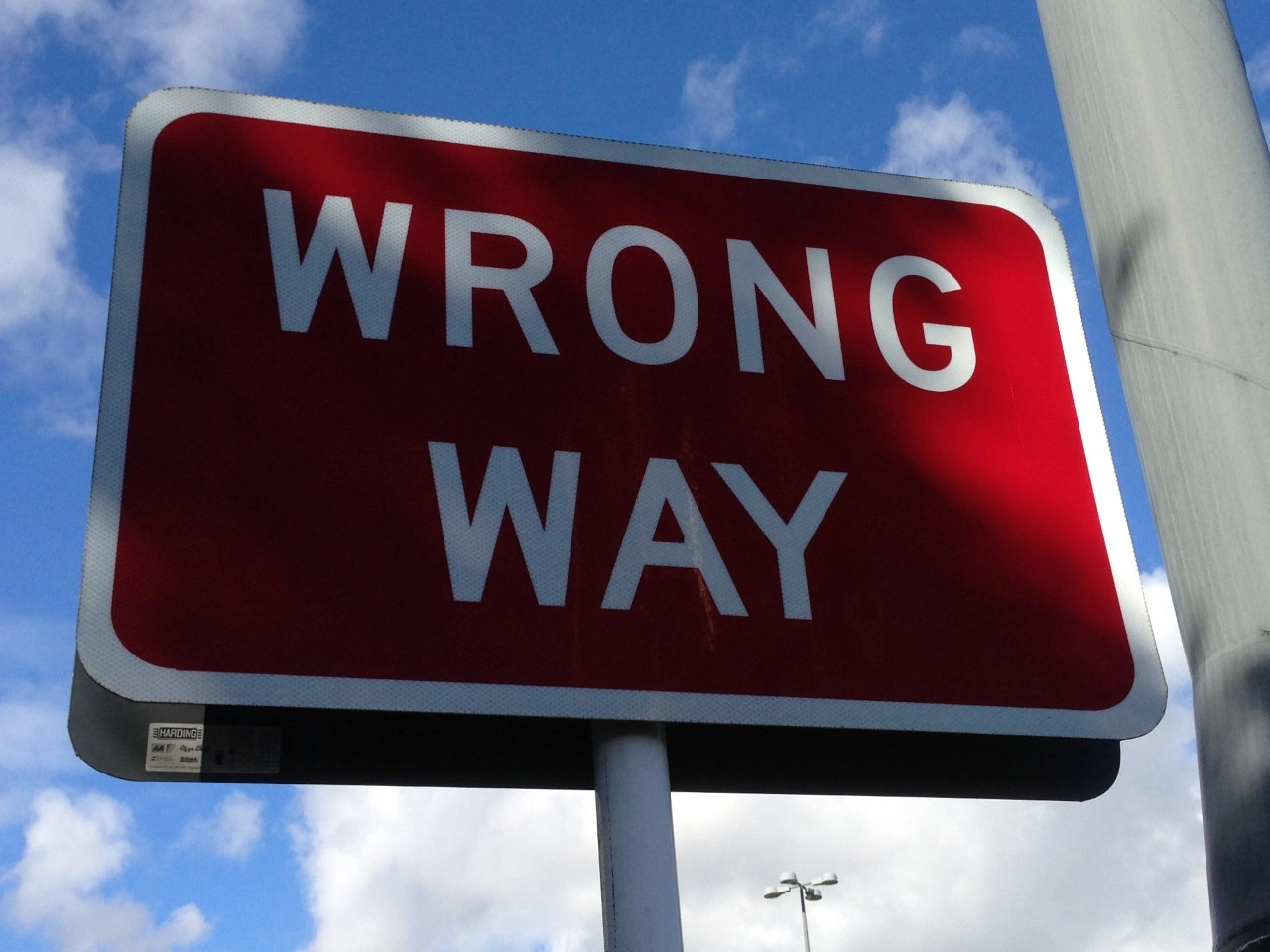
Wrong-way driving means travelling against the legally permitted direction of traffic.
Where can wrong-way driving occur?
It can occur on one-way streets, divided roads, motorways, slip roads, tunnels, car parks and temporary traffic arrangements.
Why is wrong-way driving especially dangerous?
Other drivers do not expect approaching traffic in their lane, and the combined speeds can make a head-on collision extremely severe.
How can you recognise a prohibited direction?
Look for no-entry signs, one-way signs, mandatory-direction signs, lane arrows and road markings. Motorway exits may also have repeated signs or warning systems facing the wrong direction.
Is wrong-way driving the same as entering a no-entry road?
Entering past a no-entry sign can cause wrong-way driving, but the term also covers turning around on a divided road or using the wrong carriageway without passing such a sign.
Is driving against a one-way street always prohibited?
Normally, yes. However, signs may expressly permit certain road users, such as cyclists or public transport, to travel in the opposite direction.
Is authorised contraflow traffic wrong-way driving?
No. A cyclist, bus or other road user travelling in an expressly authorised contraflow lane or direction is using the road legally.
Can roadworks temporarily change the normal direction?
Yes. Temporary signs, barriers, lane signals and markings may redirect traffic onto another lane or carriageway. Follow the temporary arrangement rather than the usual road layout.
What should you do when you see a wrong-way driver?
Reduce speed immediately, keep as far as safely possible towards the outer edge of your carriageway and avoid sudden lane changes. Warn the police or emergency services as soon as this can be done safely.
Should you attempt to stop the wrong-way driver?
No. Do not block, chase or turn after the vehicle. Protect yourself and allow trained emergency services to intervene.
Should you flash your headlights?
A brief warning may help the driver recognise the error, but avoid prolonged or aggressive signalling that could cause panic or an unpredictable manoeuvre.
Should you sound the horn?
Use the horn only when reasonably necessary to warn of immediate danger. Your first priority is to reduce speed and create as much safe space as possible.
Should you stop in a live traffic lane?
Normally not. Sudden stopping may cause a rear-end collision. Slow down and move towards a safe shoulder, refuge or other protected location where possible.
What should you do after receiving a wrong-way-driver warning?
Reduce speed, stop overtaking, increase your following distance and remain in the lane or position recommended by the local authorities or warning system.
Should you continue using the overtaking lane?
Avoid unnecessary use of lanes nearest opposing or central traffic when a wrong-way driver has been reported. Follow local emergency guidance and electronic signs.
What should you do if you are driving in the wrong direction?
Slow down immediately, activate the hazard warning lights and use dipped headlights where required. Move to the safest available edge or shoulder and stop.
Should you accelerate to reach the next exit?
No. Increasing speed greatly increases the collision risk. Stop safely and wait for instructions from the police.
Should you make a U-turn across traffic?
No. Do not turn across live lanes, cross a central reservation or attempt to correct the mistake through another dangerous manoeuvre.
Should you reverse back to the entrance?
No. Reversing against traffic or along a motorway slip road creates additional danger. Stop safely and contact the emergency services.
Should you leave the vehicle after stopping?
This depends on the location and immediate danger. Remain protected from moving traffic and follow instructions from the emergency services. Do not stand in a live lane.
How should you contact the emergency services?
Stop safely before using a handheld phone. A passenger may call while the vehicle is moving when local law permits and this can be done without distracting the driver.
What information should you report?
Report the road name or number, direction, nearby exit or landmark, vehicle description and the wrong-way driver’s approximate location and direction.
What commonly causes wrong-way driving?
Possible causes include confusion at junctions, poor visibility, unfamiliar roads, impairment, navigation errors, turning around illegally or deliberately ignoring traffic signs.
How can drivers prevent entering the wrong direction?
Slow down at unfamiliar junctions, read signs before turning, verify the road layout and do not rely exclusively on navigation instructions.
Does a navigation system override traffic signs?
No. Traffic signs, signals, markings and instructions from authorised persons always take precedence over navigation guidance.


