Double virageNouvelle-Zélande

Apprenez les règles de circulation avec des explications claires et des exemples visuels dans notre livre illustré, simple et agréable à étudier.


227. Double virage

Un double virage est une section de route comprenant deux courbes successives dans des directions opposées. La première peut tourner à gauche puis à droite, ou inversement.

Le même panneau d’avertissement peut aussi signaler une succession plus longue de virages. Les conducteurs doivent ralentir avant le premier virage, rester dans leur voie et être prêts à ce que les virages suivants diffèrent par leur direction, leur courbure et leur longueur.
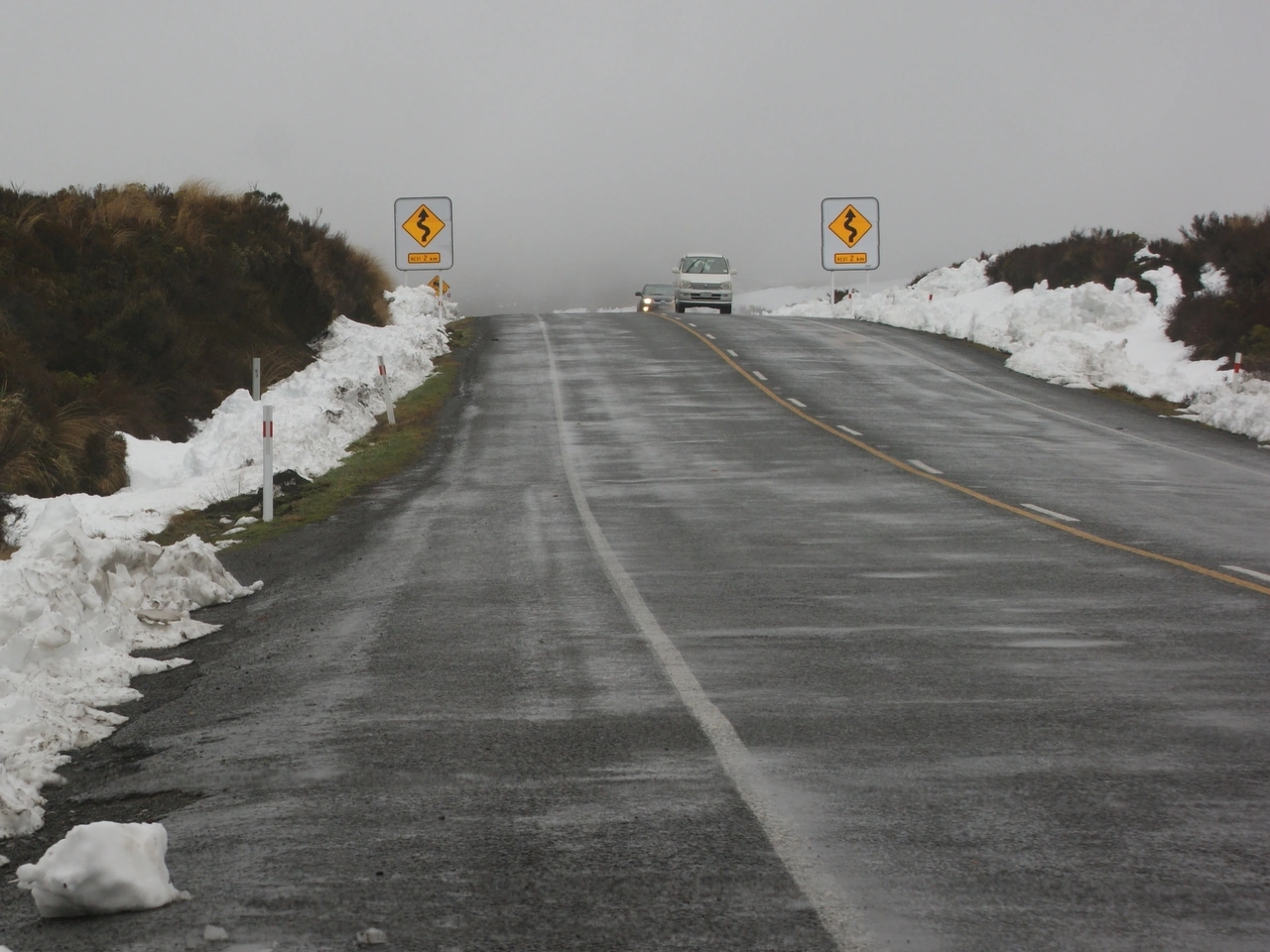
Double virage
What is a double curve?

A double curve consists of two successive curves in opposite directions.

How can you recognise a double-curve warning sign?

It normally shows an S-shaped road symbol. The symbol indicates whether the first curve turns left or right.

What does first curve to the left mean?

It means that the road first bends left and is then followed by a curve in the opposite direction.

What does first curve to the right mean?

It means that the road first bends right and is then followed by a curve in the opposite direction.

Can the sign warn of more than two curves?

Yes. In many countries, the same sign may warn of a longer succession of curves. A supplementary panel may indicate the length of the winding section.

Does the sign show the exact shape of every curve?

No. It normally shows only the general direction of the first curves. Their radius, length and spacing may be different from the symbol.

Does a double-curve sign impose a speed limit?

No. It normally warns of danger rather than establishing a numerical limit. Drivers must reduce speed whenever the legal maximum would be unsafe.

When should you reduce speed?

Reduce speed before entering the first curve, while the vehicle is still travelling straight and has maximum stability.

Should you accelerate between the two curves?

Do not accelerate strongly merely because there is a short straight section between them. Maintain a controlled speed until the direction and exit of the following curve are clear.

Should you brake while changing direction?

Avoid harsh braking while steering from one curve into the next. Complete most braking beforehand and use smooth control inputs.

Where should you look?

Look towards the visible road ahead and through each curve while continuing to monitor your lane position, road surface and nearby traffic.

Must you remain within your lane?

Yes. Do not cut across the centre line or another traffic lane to straighten the sequence of curves.

Why can a double curve be more difficult than one curve?

The vehicle’s weight shifts from one side to the other, visibility may change rapidly and the second curve may be sharper or closer than expected.

Why should you leave more following distance?

The vehicle ahead may brake unexpectedly for the second curve, an obstruction or changing road conditions that are not yet visible to you.

May you overtake in a double curve?

Do not overtake when you cannot see far enough ahead to complete the manoeuvre safely. Signs, continuous lines and local law may also prohibit overtaking.

May you stop or park in a double curve?

Only where it is permitted and your vehicle remains clearly visible. Stopping or parking where visibility is limited may create a serious hazard.

How do rain, snow or ice affect double curves?

They reduce tyre grip and increase the risk of skidding during the rapid change of direction. Reduce speed earlier and steer, brake and accelerate smoothly.

Why should motorcyclists take extra care?

Motorcyclists must change lean direction between the curves and depend heavily on tyre grip. Loose material, markings or wet surfaces can make the transition hazardous.

How can a double curve affect a trailer or caravan?

A trailer may sway or follow a tighter path through the curves. Excessive speed or abrupt steering can reduce stability.

Why do trucks and buses need additional space?

Long vehicles may track towards the inside of each curve or approach lane boundaries. Other drivers should avoid travelling beside them through a tight sequence.

What should you do if the second curve is sharper than expected?

Look towards the intended path, reduce acceleration and steer smoothly. Avoid sudden braking or crossing into another lane.

Does the absence of a warning sign mean the curves are safe at the speed limit?

No. Drivers must assess every road section and choose a safe speed even when no warning sign is displayed.

1 Nouvelle-Zélande 2 Autoroute 3 Limitation de vitesse 4 Vitesse conseillée 5 Piste cyclable 6 Avertissement piétons 7 Pont 8 Ralentisseur 9 Circulation à sens unique 10 Pente 11 Voie de bus 12 Panneau Stop 13 Cédez le passage 14 Rond-point 15 Rétrécissement de chaussée 16 Passage pour piétons 17 Passage à niveau 18 Direction obligatoire 19 Interdiction de tourner 20 Zone scolaire 21 Traversée d’animaux 22 Chaussée glissante 23 Virage 24 Chevron 25 Circulation à contresens 26 Travaux routiers 27 Vent latéral 28 Limitation de hauteur 29 Priorité au prochain carrefour 30 Feux de circulation 31 Feux pour piétons 32 Marquages routiers 33 Stationnement 34 Stationnement pour personnes handicapées 35 Marche arrière 36 Demi-tour 37 Attraction touristique 38 Station de recharge 39 Dangers 40 Cycliste 41 Autobus 42 Police 43 Ambulance 44 Nid-de-poule 45 Chemin 46 Particules 47 Pollution de l’air 48 Heure de pointe 49 Code de la route 50 Circulation à double sens 51 Caniveau 52 Vélo cargo 53 Véhicule forestier 54 Véhicule de chantier 55 Ensemble semi-remorque 56 Trolleybus 57 Speed pedelec 58 Véhicule de livraison 59 Moteur au ralenti 60 Dépanneuse 61 Quatre roues motrices 62 Vélo 63 Équipement de moto 64 Tram 65 Voie ferrée 66 Caravane 67 Remorque 68 Attelage 69 Camion de pompiers 70 Sirène 71 Convoi 72 Feux des véhicules d’urgence 73 Machines agricoles 74 Vélo électrique 75 Véhicule électrique 76 Pedelec 77 Quadricycle 78 Voiturette 79 Véhicule tout-terrain 80 Fourgonnette 81 Véhicule de loisirs 82 Scooter 83 Trikke 84 Engin de déplacement personnel 85 Skateboard 86 Segway 87 Trottinette 88 Patins à roulettes 89 Facteur 90 Auto-stoppeur 91 Jeune enfant 92 Enfant 93 Handicap 94 Train-auto 95 km/h 96 mph 97 Compteur de vitesse 98 Hauteur de caisse 99 Route en terre 100 Conduite ... 101 Système Stop & Start 102 Boîte de vitesses manuelle 103 Boîte de vitesses automatique 104 Commande des gaz 105 Compte-tours 106 Volant 107 Direction assistée 108 Balayage visuel 109 Rétroviseur 110 Carburant 111 Jauge de carburant 112 Essence 113 Diesel 114 Liquide d’échappement diesel 115 Assurance automobile 116 Trousse de premiers secours 117 Extincteur 118 Vêtement haute visibilité 119 Premiers secours 120 Barrière en béton à profil en gradins 121 Barrières 122 Feux du véhicule 123 Éclairage public 124 Feux de croisement 125 Feux de route 126 Feux antibrouillard 127 Feux antibrouillard avant 128 Feux antibrouillard arrière 129 Feux de position 130 Clignotants 131 Feux de détresse 132 Voyants du tableau de bord 133 Éclairage du vélo 134 Sonnette de vélo 135 Appel de phares 136 Ceinture de sécurité 137 Dispositifs de retenue pour enfants 138 Appuie-tête 139 Airbag 140 ABS 141 ESP 142 Système antipatinage 143 Casque 144 Casque de vélo 145 Mains libres 146 Smartphone 147 GPS 148 Frein 149 Frein de stationnement 150 Liquide de frein 151 Pneus 152 Marquage du pneu 153 Pneus hiver 154 Pression des pneus 155 Chaînes à neige 156 Pneu de vélo 157 Chenille continue 158 Poids total réel du véhicule 159 Poids total autorisé du véhicule 160 Chargement 161 Carrosserie 162 Coffre 163 Galerie de toit 164 Pare-brise 165 Marteau de secours 166 Batterie de voiture 167 Batterie de traction 168 Suspension 169 Amortisseur 170 Ressort 171 Système d’échappement 172 Gaz d’échappement 173 Suie 174 Catalyseur 175 Moteur 176 Moteur à essence 177 Moteur diesel 178 Moteur électrique 179 Courroie de distribution 180 Bougie de préchauffage 181 Cylindre 182 Huile moteur 183 Liquide de refroidissement 184 Entretien 185 Roue de secours 186 Pneu crevé 187 Cric 188 Contrôle technique du véhicule 189 Clé 190 Tableau de bord 191 Essuie-glace 192 Portes 193 Boîte à gants 194 Visibilité 195 Pluie 196 Brouillard 197 Grêle 198 Lumière du soleil 199 Lunettes de soleil 200 Sel 201 Climatisation 202 Aquaplanage 203 Distraction 204 Émotions 205 Agressivité au volant 206 Santé 207 Épilepsie 208 Cécité nocturne 209 Déficience visuelle 210 Fatigue 211 Défauts 212 Infraction routière 213 Alcool 214 Contrôle d’alcoolémie 215 Éthylotest antidémarrage 216 Éthylotest 217 Analyse de l’air expiré 218 Alcoolémie 219 Analyse de sang 220 Test salivaire 221 Drogues 222 Médicaments 223 Sanctions 224 Excès de vitesse 225 Tabagisme 226 Caméra de contrôle routier 227 Double virage 228 Accident 229 Blessures 230 Saignement de nez 231 Dommages 232 Panne 233 Triangle de présignalisation 234 Règles de circulation 235 Auto-école 236 Panneaux de signalisation