


建設車両ベルギー
 交通ルール
交通ルール
 ベルギー
ベルギー
85. 建設車両
建設車両は、建設、道路工事、掘削、揚重、資材運搬に関連する作業向けに設計・改造された車両または移動式機械です。掘削機、ローダー、ブルドーザー、ロードローラー、移動式クレーン、ダンプトラック、コンクリートミキサーなどがあります。
大きさ、速度、法的分類は大きく異なります。通常の道路車両に該当するものも、主に工事現場用の特殊機械に該当するものもあります。公道を走行する場合は、適用される登録、免許、灯火、寸法、重量、速度、交通規則に従います。
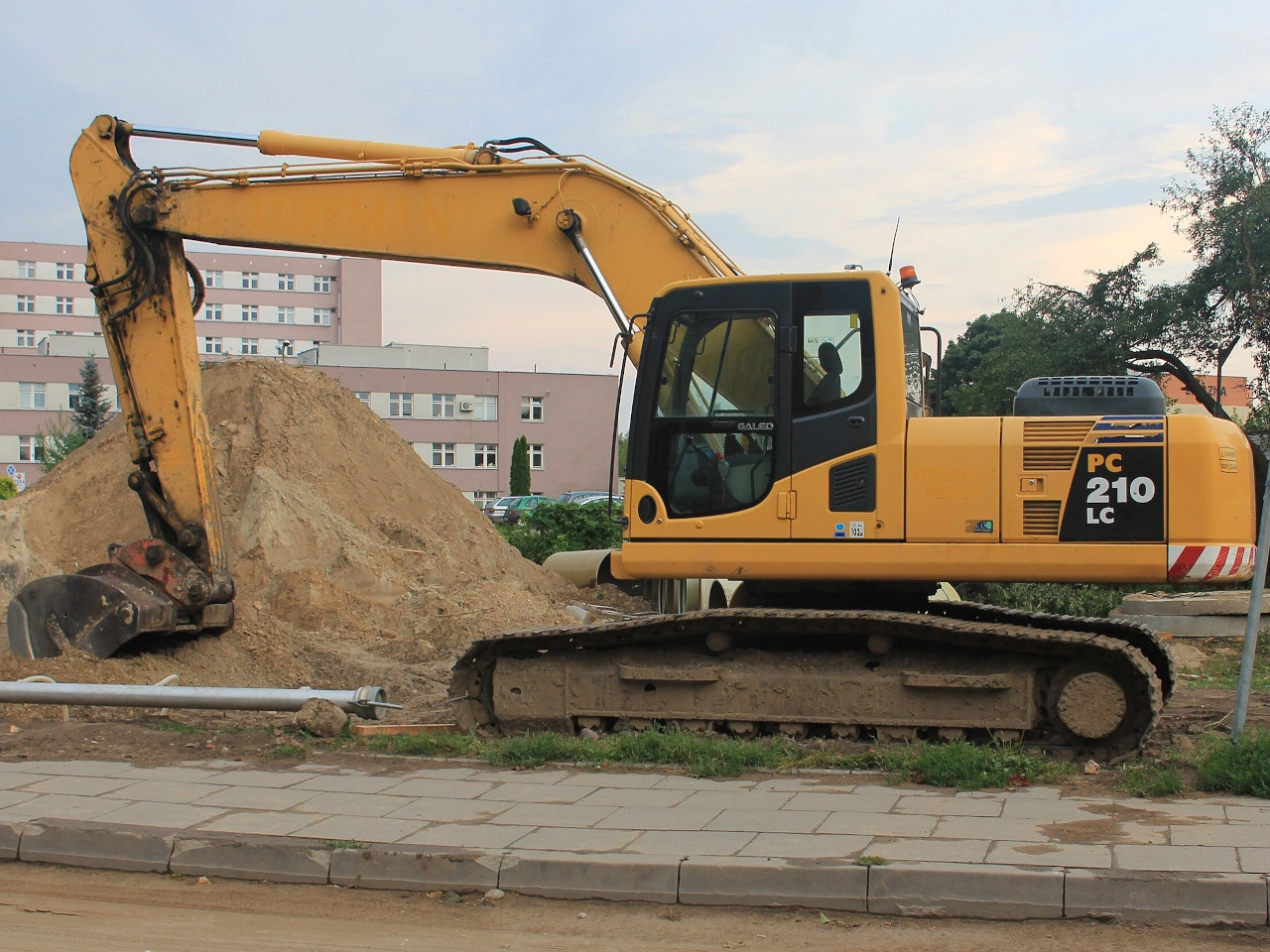
What is considered a construction vehicle in Belgium?
There is no single Belgian legal category called construction vehicle. Depending on its design and purpose, a construction vehicle may be classified as a goods vehicle, slow vehicle, vehicle of special construction, mobile crane or another vehicle category.
What is a Belgian vehicle of special construction?
A vehicle of special construction is a vehicle primarily designed or permanently converted to function as a tool, with almost no payload compared with its tare weight. The category includes certain self-propelled industrial machines.
What is a slow construction vehicle in Belgium?
A Belgian vehicle for slow transport is a motor vehicle whose construction and origin limit its nominal maximum speed to 40 km/h or less.
Can a construction vehicle travel on Belgian public roads?
Yes, when its legal classification and technical requirements permit road use. The vehicle must comply with the registration, technical, lighting, dimensional and other requirements applicable to its particular category.
Which driving licence is required for a construction vehicle in Belgium?
The required licence depends on the legal classification and characteristics of the vehicle. Ordinary goods vehicles normally fall within categories B, C1 or C according to their authorised mass, while special rules exist for certain industrial vehicles of special construction.
Can a category B licence be used for certain Belgian construction machines?
Yes, in a specific case. A category B licence may be used to drive an industrial vehicle of special construction with a design speed of no more than 40 km/h when travelling between construction sites less than 5 km apart or when operating within a port area.
Do flashing amber lights give a construction vehicle priority in Belgium?
No. Orange-yellow flashing lights warn other road users of a special task, obstruction or danger but do not give the vehicle the priority rights associated with a priority vehicle using blue lights and a siren.
When may a Belgian construction vehicle use flashing amber lights?
Orange-yellow flashing lights may be used while the vehicle is actually performing the task for which those lights are authorised or when its presence on the public road creates an obstruction or danger to traffic.
Can a slow construction vehicle use a Belgian motorway?
No. Motorway access is prohibited to vehicles or combinations that cannot reach 70 km/h on a level road. A construction machine limited by design to 40 km/h therefore cannot use a motorway under the ordinary rules.
Can an oversized construction vehicle travel on Belgian roads?
Yes, but special rules may apply. If the vehicle exceeds the normal permitted dimensions or masses, it may qualify as an exceptional vehicle and require a specific permit and compliance with the route and safety conditions imposed for that journey.
Which sign warns of construction or roadworks in Belgium?
The Belgian A31 warning sign warns road users that there are works ahead. Temporary signs, barriers and orange road markings may also be used to guide traffic through the work zone.
Can construction-site personnel control traffic in Belgium?
Yes, in the circumstances provided by law. A site supervisor responsible for protecting roadworks personnel may give traffic-control indications and may use the prescribed C3 stop disc to stop traffic.


