1. Turquie

La Turquie s’étend sur le sud-est de l’Europe et l’ouest de l’Asie, le Bosphore et les Dardanelles séparant sa région européenne de Thrace de l’Anatolie. La circulation se fait à droite. Les conditions de conduite varient fortement dans le pays, de la circulation dense et des grands ponts et tunnels autour d’Istanbul aux longues routes à chaussées séparées du plateau anatolien, aux routes côtières de la Méditerranée et de la mer Égée et aux routes montagneuses escarpées du nord et de l’est. Le turc est la langue officielle et est normalement utilisé pour les informations écrites sur les panneaux routiers ; il utilise l’alphabet latin, tandis que la plupart des panneaux réglementaires et d’avertissement reposent sur des symboles internationalement reconnaissables.

La Turquie n’a pas de vignette autoroutière nationale. Des péages sont perçus sur certaines autoroutes, certains ponts et tunnels, le système de péage électronique HGS jouant un rôle central, y compris pour les véhicules immatriculés à l’étranger. Les limitations de vitesse sont également particulières : les voitures ordinaires sont généralement limitées à 90 km/h sur les routes interurbaines à double sens et à 110 km/h sur les routes à chaussées séparées, tandis que les limites autoroutières peuvent être de 130 ou 140 km/h selon l’exploitant de l’autoroute. Les conditions hivernales varient fortement selon les régions ; l’obligation nationale de pneus hiver vise principalement les véhicules commerciaux transportant des passagers ou des marchandises, avec des exigences supplémentaires possibles au niveau local.

AI
De quel côté de la route roule-t-on en Turquie ?

Roulez du côté droit de la route et dépassez normalement par la gauche.

Quel est le numéro d’urgence en Turquie ?

Appelez le 112 en cas d’urgence. La Turquie regroupe la police, les ambulances, les pompiers, la gendarmerie et d’autres services d’urgence sous le système unique 112.

Quelle est la limite d’alcool au volant en Turquie ?

Pour les conducteurs de voitures particulières privées, la limite légale est de 0,50 ‰ (0,5 g/l). Les conducteurs d’autres types de véhicules sont généralement soumis à une limite inférieure de 0,20 ‰ (0,2 g/l).

Existe-t-il des règles particulières pour les nouveaux conducteurs en Turquie ?

Oui. Une personne qui obtient son permis de conduire pour la première fois est normalement considérée comme conducteur candidat pendant deux ans. Des conditions plus strictes s’appliquent pendant cette période, notamment de lourdes conséquences en cas de conduite au-dessus de 0,20 ‰ d’alcool et d’accumulation de certaines infractions routières.

Quelle est la limitation de vitesse en agglomération en Turquie ?

Pour une voiture particulière ordinaire, la vitesse maximale générale en agglomération est de 50 km/h, sauf indication contraire.

Quelle est la limitation de vitesse sur les routes à double sens hors agglomération en Turquie ?

Pour une voiture particulière ordinaire, la vitesse maximale générale sur une route interurbaine à double sens est de 90 km/h, sauf indication contraire.

Quelle est la limitation de vitesse sur les routes à chaussées séparées en Turquie ?

Pour une voiture particulière ordinaire, la vitesse maximale générale sur une route à chaussées séparées est de 110 km/h, sauf si une autre limite est affichée.

Quelle est la limitation de vitesse sur les autoroutes en Turquie ?

Pour les voitures particulières ordinaires, la vitesse maximale est généralement de 130 km/h sur les autoroutes exploitées par KGM et jusqu’à 140 km/h sur les autoroutes exploitées selon le modèle construction-exploitation-transfert. Respectez toujours la limite affichée, car des limites inférieures peuvent s’appliquer sur certaines sections.

Existe-t-il une vitesse minimale sur les autoroutes turques ?

Oui. Sur les autoroutes à accès contrôlé, la vitesse minimale obligatoire est généralement de 40 km/h, sauf lorsque la circulation, la météo, l’état de la route ou une autre circonstance justifiée impose de rouler plus lentement.

Qui est interdit sur les autoroutes turques ?

Les autoroutes à accès contrôlé sont interdites aux piétons, animaux, vélos, véhicules non motorisés, tracteurs à roues et engins de chantier, ainsi qu’aux autres usagers non autorisés sur autoroute.

Faut-il une vignette autoroutière en Turquie ?

Non. La Turquie n’utilise pas de vignette autoroutière nationale. Des péages sont perçus sur certaines autoroutes, certains ponts et tunnels.

Comment fonctionne le système de péage HGS en Turquie ?

HGS est le système électronique turc de paiement des péages. Le véhicule est associé à un compte HGS et le péage approprié est prélevé selon la route utilisée et la catégorie du véhicule.

Les véhicules immatriculés à l’étranger ont-ils besoin de HGS en Turquie ?

Les véhicules étrangers utilisant les autoroutes et ponts KGM payants doivent disposer d’un compte HGS suffisamment crédité. Pour les passages payants KGM, un compte HGS peut généralement être ouvert ou rechargé dans les 15 jours suivant un passage impayé afin d’éviter qu’il soit sanctionné.

Les voitures doivent-elles utiliser leurs phares pendant la journée en Turquie ?

Il n’existe pas de règle générale imposant à une voiture particulière ordinaire d’utiliser les feux de croisement pendant chaque trajet de jour par temps clair. Les feux sont obligatoires la nuit et lorsque la visibilité est réduite, par exemple dans le brouillard, sous une forte pluie ou dans des conditions similaires, et un éclairage approprié doit également être utilisé dans les tunnels lorsque cela est requis.

Les pneus hiver sont-ils obligatoires en Turquie ?

L’obligation nationale de pneus hiver concerne principalement les véhicules commerciaux transportant des passagers ou des marchandises. La période nationale actuelle va du 15 novembre au 15 avril. Les voitures particulières ne sont pas soumises à la même obligation générale à l’échelle nationale, même si les autorités provinciales peuvent imposer des règles supplémentaires selon le climat et l’état des routes.

Les ceintures de sécurité sont-elles obligatoires en Turquie ?

Oui. Les conducteurs et passagers doivent utiliser les ceintures de sécurité et autres systèmes de retenue obligatoires dans les véhicules et sièges concernés.

Quand les enfants doivent-ils utiliser un dispositif de retenue en Turquie ?

Les enfants mesurant moins de 150 cm et pesant moins de 36 kg doivent normalement être transportés dans un dispositif de retenue adapté à leur taille et leur poids. Le conducteur est responsable de s’assurer que les enfants de moins de 15 ans utilisent correctement l’équipement de protection requis.

Les casques de moto sont-ils obligatoires en Turquie ?

Oui. Les conducteurs et passagers de motos doivent utiliser le casque de protection prescrit. D’autres règles relatives à l’équipement de protection s’appliquent également.

Les gants de protection sont-ils obligatoires pour les motocyclistes en Turquie ?

Oui. Depuis le 4 novembre 2025, les conducteurs et passagers de motos doivent porter des gants de protection conformes à la norme TS EN 13594. Cette obligation précise concernant les gants ne s’applique pas aux vélos ni aux cyclomoteurs.

Peut-on utiliser un téléphone portable en conduisant en Turquie ?

L’utilisation d’un téléphone portable, d’un téléphone de véhicule ou d’un appareil de communication similaire lorsque le véhicule est en mouvement est interdite. Les conducteurs ne doivent pas manipuler ni utiliser un téléphone pendant la conduite.

La priorité à droite s’applique-t-elle en Turquie ?

Oui. À une intersection non réglementée où aucune priorité différente n’a été attribuée aux routes, le conducteur d’un véhicule à moteur arrivant de gauche doit normalement céder le passage au véhicule venant de droite.

Qui a priorité à un rond-point en Turquie ?

Un conducteur qui approche d’un rond-point doit normalement céder le passage aux véhicules qui y circulent déjà. Les feux de circulation, instructions de la police et panneaux de priorité ont préséance lorsqu’ils sont présents.

Les piétons ont-ils priorité aux passages en Turquie ?

Oui. Aux passages pour piétons et zones scolaires signalés qui ne sont pas contrôlés par des feux ou un agent, les conducteurs doivent ralentir et s’arrêter pour donner priorité aux piétons qui traversent ou sont sur le point de traverser.

Que doivent faire les conducteurs lorsqu’un bus scolaire turc affiche son panneau STOP ?

Lorsqu’un véhicule scolaire active son panneau « DUR » (STOP) pendant que des enfants montent ou descendent, les autres conducteurs doivent s’arrêter et ne peuvent repartir que lorsque cela est sûr et que l’indication d’arrêt a pris fin.

Que doivent faire les conducteurs aux passages à niveau en Turquie ?

Les conducteurs doivent respecter les feux, signaux sonores et barrières des passages à niveau et ne doivent pas s’engager pendant que les barrières se ferment ou sont fermées. À un passage non réglementé, ils doivent s’arrêter et s’assurer qu’aucun véhicule ferroviaire n’approche avant de traverser.

Quel équipement de sécurité une voiture doit-elle transporter en Turquie ?

La réglementation turque impose certains équipements d’urgence et de sécurité. Pour les voitures ordinaires, cela comprend notamment un extincteur, une trousse de premiers secours et un réflecteur de présignalisation, tandis que des exigences relatives au remorquage, au changement de roue et à l’équipement hivernal s’appliquent également selon le véhicule et les conditions.

Quelle langue est utilisée sur les panneaux routiers en Turquie ?

Les informations routières écrites sont normalement en turc, qui utilise l’alphabet latin. Les panneaux directionnels utilisent donc des noms comme İstanbul, İzmir, Çanakkale et Şanlıurfa avec les caractères turcs, tandis que les panneaux réglementaires et d’avertissement utilisent principalement des symboles reconnaissables par les conducteurs internationaux.

2. Autoroute

Une autoroute est une route spécialement conçue et signalée pour la circulation motorisée. Les autoroutes disposent normalement de chaussées séparées pour les sens opposés, d’un accès contrôlé par des entrées et sorties désignées, sans accès direct aux propriétés voisines ni croisements à niveau avec d’autres routes, voies ferrées ou chemins.

Des règles de circulation particulières s’appliquent sur les autoroutes. Les usagers autorisés, limitations de vitesse, règles de voie, péages et procédures d’urgence varient selon les pays ; les conducteurs doivent donc respecter la signalisation et la réglementation locales.

How can you recognise a motorway?

A motorway is normally identified by a special motorway sign at its entrance. It commonly has separate carriageways, controlled entrances and exits, and no ordinary intersections or direct access to neighbouring properties.

Who may use a motorway?

Motorways are primarily intended for motor vehicles capable of travelling safely at motorway speeds. Pedestrians, cyclists, animals and certain slow vehicles are generally prohibited, but the exact access requirements differ between countries.

What is the speed limit on a motorway?

There is no universal motorway speed limit. The applicable limit depends on the country, road section, vehicle category and driving conditions. Posted or variable speed-limit signs may replace the general national limit.

How should you enter a motorway?

Use the entrance or acceleration lane to observe motorway traffic and adjust your speed where possible. Enter only when there is a safe gap and follow the local priority and merging rules.

How should you leave a motorway?

Move into the correct lane in good time and signal when required. Enter the exit or deceleration lane before reducing your speed, unless traffic, signs or road conditions require you to slow down earlier.

Which lane should you use on a motorway?

Follow the local keep-left or keep-right rule and any lane-direction signs. Lanes closer to the centre of the motorway are commonly used for overtaking, but lane-use rules differ between countries and vehicle categories.

Can you stop on a motorway?

Voluntary stopping and parking are normally permitted only in designated parking or service areas. Drivers may still have to stop because of congestion, an emergency or another unavoidable situation.

Can you reverse or make a U-turn on a motorway?

Reversing, making a U-turn and driving against the direction of traffic are generally prohibited. If you miss an exit, continue to the next suitable exit.

What should you do if your vehicle breaks down?

Move the vehicle out of the traffic lanes when this can be done safely, activate the hazard warning lights and follow the local breakdown procedures. Leave the vehicle safely, keep away from moving traffic and use a warning triangle or safety vest where required by local law.

What is the difference between a motorway and an expressway?

A motorway normally has the highest level of access control and is governed by specific motorway rules. An expressway may have similar characteristics but may permit different road users or contain lower-standard junctions. The legal distinction varies between countries.

3. Zone

Une zone de circulation est un secteur dans lequel une règle de circulation s’applique à l’ensemble des routes ou sections de route qu’il comprend. La règle commence normalement à un panneau d’entrée de zone et reste applicable jusqu’au panneau correspondant de fin de zone.

Les zones peuvent réglementer la vitesse, le stationnement, l’accès, les catégories de véhicules, les émissions ou d’autres comportements routiers. Les panneaux utilisés, les routes concernées et l’effet des intersections ou exceptions locales dépendent du droit routier local.

Zone
What is a traffic zone?

A traffic zone is a defined area in which a particular restriction, prohibition or obligation applies throughout the included roads rather than only at one location.

How can you recognise a traffic zone?

A traffic zone normally begins with a zone-entry sign showing the applicable rule. A corresponding end-of-zone sign indicates where that rule stops applying.

What is the difference between a zone sign and an ordinary traffic sign?

An ordinary sign usually applies to a particular road, direction, lane or section. A zone sign applies throughout a designated area, which may contain several roads and intersections.

Does a zone normally continue after an intersection?

Usually, yes. A zonal rule commonly continues through intersections until an end-of-zone sign is reached. The exact effect of intersections depends on local law.

How does a traffic zone end?

A traffic zone normally ends when you pass the corresponding end-of-zone sign. The normal road rules or another signed regulation then apply.

Can more than one rule apply inside a zone?

Yes. A zone may contain several regulations, such as a speed limit together with parking or access restrictions. Drivers must observe every applicable sign.

Can another traffic sign apply inside a zone?

Yes. A local sign may introduce a different or more restrictive rule on a particular road or section. Whether the original zonal rule resumes afterwards depends on local law and the type of regulation.

What types of traffic zones exist?

Common examples include speed zones, parking zones, low-emission zones, pedestrian zones, cycling zones, school zones and zones restricting particular vehicle categories.

Is a traffic zone the same as a built-up area?

No. A built-up area is a broader legally defined urban area. A traffic zone imposes a specific signed rule and may be located inside or outside a built-up area.

Is a traffic zone the same as a residential area?

No. A residential area describes an area mainly used for housing. It may contain one or more traffic zones, but the terms do not automatically have the same legal meaning.

Does a zonal rule apply to every road user?

Not necessarily. The sign, symbol or additional panel may limit the rule to particular vehicles, road users, times or circumstances.

What should you do when entering a traffic zone?

Observe the entrance sign carefully, identify every displayed rule and remember that the regulation may continue across several roads and intersections until the zone ends.

4. Limitation de vitesse

Une limitation de vitesse est la vitesse maximale légale autorisée sur une route, une voie ou dans une zone désignée. Elle peut être fixée par la réglementation générale de la circulation ou indiquée par des panneaux fixes, variables ou temporaires.

Une limitation de vitesse est un maximum, et non une vitesse à atteindre. Les conducteurs doivent rouler plus lentement chaque fois que la circulation, la visibilité, la météo, l’état de la route, les usagers vulnérables ou l’état du véhicule rendent dangereuse la vitesse maximale autorisée.

What is a speed limit?

A speed limit is the maximum legal speed permitted on a road, lane or within a designated area. It does not require drivers to travel at that speed.

How can you recognise a speed limit?

A speed limit is commonly displayed as a number on a regulatory traffic sign. General limits may also apply automatically because of the country, road category, vehicle type or surrounding area, even when no speed-limit sign is present.

Is the speed limit a recommended driving speed?

No. It is the highest speed legally permitted under suitable conditions. Drivers must reduce their speed whenever travelling at the limit would be unsafe.

Can you drive more slowly than the speed limit?

Yes. Drivers should travel more slowly when required by traffic, weather, visibility, road conditions or nearby vulnerable road users. Driving unnecessarily slowly may nevertheless be prohibited when it obstructs normal traffic.

Does the same speed limit apply to every vehicle?

Not always. Lower limits may apply to heavy vehicles, buses, vehicles towing trailers, novice drivers or other vehicle categories. The lowest applicable limit must be respected.

What is a default speed limit?

A default speed limit applies automatically to a particular road type or area when no traffic sign indicates another limit. Examples include general limits for motorways, built-up areas or roads outside built-up areas.

Does a posted speed limit replace the default limit?

Usually, yes. A legally placed speed-limit sign normally introduces another maximum speed, although lower vehicle-specific or special-road limits may continue to apply.

When does a speed-limit sign take effect?

A speed restriction normally begins at the location of the sign. Drivers should reduce their speed before passing the sign so that they are already travelling within the limit when it takes effect.

When does a speed limit end?

A signed limit may end at an intersection, an end-of-limit sign, another speed-limit sign or the beginning or end of a legally defined area. The exact rule differs between countries.

Does an intersection end a speed limit?

This depends on local law. An ordinary speed restriction may end at an intersection in some countries, while a zonal speed limit normally continues across intersections until an end-of-zone sign.

What is a speed zone?

A speed zone is an area in which the displayed maximum speed applies throughout all included roads. The limit normally remains in force until the corresponding end-of-zone sign.

What is a variable speed limit?

A variable speed limit is displayed on an electronic or changeable sign and may be adjusted according to congestion, weather, incidents or roadworks. When activated, it has the same legal importance as another applicable regulatory speed sign.

Can different lanes have different speed limits?

Yes. Signs positioned above individual lanes may impose different limits on those lanes. Drivers must observe the limit applying to the lane they use.

Can a temporary speed limit apply?

Yes. Temporary limits may be introduced near roadworks, collisions, hazards or special events. Drivers must follow the temporary traffic signs and instructions that are legally in force.

May you exceed the speed limit while overtaking?

No. Overtaking does not normally permit a driver to exceed the applicable maximum speed. The manoeuvre must be completed safely while respecting the speed limit.

Do poor conditions change the legal speed limit?

Some countries impose specific lower limits in rain, snow or other conditions. Even where the numerical limit does not change, drivers must reduce their speed sufficiently for the conditions.

5. Tunnel

Un tunnel est un passage couvert qui fait passer une route à travers ou sous un obstacle tel qu’une colline, une montagne, un bâtiment, un cours d’eau ou une autre voie de transport. Les tunnels routiers peuvent comporter une ou plusieurs voies et accueillir une circulation à sens unique ou dans les deux sens.

La conduite dans un tunnel exige une attention particulière car la visibilité, les possibilités d’évacuation et l’espace disponible pour éviter les dangers sont limités. Les conducteurs doivent respecter les règles applicables en matière d’éclairage, de vitesse, de voies et de distance de sécurité et prêter attention aux issues de secours, aux signaux lumineux et aux panneaux à messages variables.

Tunnel
What is a road tunnel?

A road tunnel is a covered passage that carries a road through or beneath an obstacle.

Should you use headlights in a tunnel?

Follow the local lighting rules and traffic signs. Many countries require dipped headlights in tunnels even during daylight, while general visibility rules may also require vehicle lights.

Should you increase your following distance in a tunnel?

Yes. Additional distance gives more time to react to sudden congestion, a breakdown or another hazard where escape space may be limited.

Can you stop or park in a tunnel?

Voluntary stopping and parking are generally prohibited or strongly restricted in road tunnels. Drivers should stop only where permitted or when traffic, an emergency or another unavoidable situation requires it.

Can you reverse or make a U-turn in a tunnel?

Normally this should not be done unless specifically authorised or directed by emergency or traffic-control personnel. Motorway tunnels are additionally subject to the normal motorway prohibitions on reversing and U-turns.

What should you do if traffic stops in a tunnel?

Keep a safe distance from the vehicle ahead, follow traffic signals and instructions and avoid blocking emergency access. Switch on hazard warning lights where appropriate to warn following traffic.

What should you do if your vehicle breaks down in a tunnel?

Move into an emergency bay or other safe position if possible, switch on the hazard warning lights and follow the tunnel's emergency procedures. Use an emergency telephone or contact the emergency services where necessary.

What should you do if there is a fire in a tunnel?

Follow the emergency signs and instructions immediately. If evacuation is necessary, leave the vehicle and use the indicated emergency exit rather than remaining in a dangerous traffic or smoke-filled area.

What are tunnel emergency exits?

Emergency exits provide a route away from the traffic tunnel during incidents such as a fire. Signs may indicate the nearest exit and the direction or distance to it.

Should you remove sunglasses before entering a tunnel?

Where necessary, removing dark sunglasses before entering can help your eyes adapt more quickly to the lower light level inside the tunnel.

Can speed limits change inside a tunnel?

Yes. Tunnels may have permanent or variable speed restrictions. Drivers must follow the speed limit currently indicated.

Can dangerous goods be restricted in tunnels?

Yes. Certain tunnels may restrict vehicles carrying dangerous goods because an incident in an enclosed space can create additional risks. Follow all applicable tunnel-category and dangerous-goods signs.

6. Pente

Une pente est une section de route qui monte ou descend de manière notable. Une forte pente peut affecter la vitesse du véhicule, la distance de freinage, l’adhérence, la visibilité et la capacité des véhicules lourds ou peu puissants à maintenir une vitesse régulière.

Des panneaux d’avertissement peuvent signaler une forte montée ou une descente dangereuse et indiquer la déclivité en pourcentage. Les conducteurs doivent adapter leur vitesse à l’avance, choisir un rapport approprié et rester prêts à rencontrer des véhicules lents, des virages et des changements d’état de la chaussée.

Pente
What is a road slope?

A road slope is a section of road that rises or descends over a particular distance. It may also be called a gradient, incline or decline.

How can you recognise a steep slope?

A steep slope may be indicated by a warning sign showing an ascending or descending road. The sign may also display the gradient as a percentage.

What does a gradient of 10% mean?

A gradient of 10% means that the road rises or falls approximately 10 metres for every 100 metres travelled horizontally. It does not mean that the road is inclined at 10 degrees.

What is the difference between an ascent and a descent?

An ascent rises in the direction of travel, while a descent falls in the direction of travel. The same section of road is therefore an ascent in one direction and a descent in the other.

Does a slope warning sign impose a speed limit?

Not normally. It warns of a hazard rather than setting a numerical limit. Drivers must still respect the applicable speed limit and reduce their speed further when necessary.

How should you approach a steep descent?

Reduce speed before the descent, select a suitable gear and maintain a safe following distance. Avoid allowing the vehicle to gain excessive speed.

Which gear should you use when descending?

Use a gear that provides sufficient engine braking and helps keep the vehicle at a controlled speed. The appropriate gear depends on the vehicle, gradient and road conditions.

Should you coast downhill in neutral?

No. Coasting reduces engine braking and may make it harder to control the vehicle’s speed. Keep the transmission engaged while descending.

Why should you avoid continuous heavy braking?

Continuous braking on a long descent can cause the brakes to become excessively hot and lose effectiveness. Select a suitable gear, control speed early and use the brakes progressively when needed.

What is brake fade?

Brake fade is a reduction in braking performance caused by excessive heat. It can occur when the brakes are used continuously during a long or steep descent.

How should you drive uphill?

Select a suitable gear before the engine begins to struggle and maintain a steady speed where possible. Be prepared for heavy or low-powered vehicles travelling slowly ahead.

May a vehicle lose speed on a steep ascent?

Yes. Heavy vehicles, vehicles towing trailers and low-powered vehicles may slow considerably. Other drivers should maintain a safe distance and avoid impatient manoeuvres.

May you overtake near the top of a slope?

Do not overtake when the crest prevents you from seeing far enough ahead. Overtaking near a hilltop may also be expressly prohibited by local law, signs or road markings.

Why is visibility limited near the crest of a slope?

The road surface itself may hide approaching traffic, stopped vehicles, pedestrians or other hazards beyond the crest.

Who has priority on a narrow slope?

Some countries give priority to uphill traffic, while others rely on signs or ordinary obstruction rules. Drivers must follow local law and cooperate when passing is difficult.

How should you meet another vehicle on a narrow slope?

Reduce speed and use a passing place where available. The driver who can reverse or move aside more safely should cooperate, subject to any applicable priority signs or local rules.

How do rain, snow or ice affect a slope?

They reduce traction and make acceleration, braking and steering more difficult. Increase the following distance, use smooth controls and reduce speed before entering the slope.

Why are cyclists vulnerable on slopes?

Cyclists may travel slowly and move less steadily when climbing, while they may reach high speeds when descending. Drivers should leave sufficient space and avoid overtaking without a clear view.

How should you park on a slope?

Use the parking brake, select the appropriate gear or parking position and follow local rules concerning wheel position. Make sure the vehicle cannot roll into traffic.

Can a slope affect towing?

Yes. A trailer increases the load on the engine and brakes and may affect stability. Drivers should use a suitable gear, maintain additional distance and avoid excessive speed.

7. Panneau Stop

Un panneau Stop oblige les conducteurs à immobiliser complètement leur véhicule et à céder le passage avant de s’engager sur la route ou de la traverser. L’arrêt doit être effectué à la ligne d’arrêt ou à un autre emplacement prescrit par la loi.

Après l’arrêt, le conducteur ne peut repartir que lorsque cela peut être fait en toute sécurité et sans gêner la circulation prioritaire. Le panneau n’accorde pas la priorité au conducteur qui s’est arrêté.

Panneau Stop
What does a stop sign mean?

A stop sign requires a driver to come to a complete stop and give way before proceeding.

How can you recognise a stop sign?

A stop sign is commonly a red octagonal sign displaying the word STOP. Some countries use another legally recognised design, so drivers must learn the signs used locally.

Must you stop when no other traffic is visible?

Yes. The obligation to stop applies even when the road appears completely clear.

What is a complete stop?

A complete stop means that the vehicle has ceased moving entirely. Merely slowing down or allowing the vehicle to continue rolling does not satisfy the requirement.

Where should you stop?

Stop before the stop line where one is provided. Without a line, stop at the legally prescribed position before entering the intersection, crossing or priority road.

May you stop beyond the stop line?

No. The required first stop must be made before the line. If visibility is limited, move forward cautiously after stopping and stop again where necessary before proceeding.

Must every vehicle in a queue stop separately?

Yes. Each driver must make an individual complete stop. Following another vehicle through without stopping is not permitted.

Does stopping give you priority?

No. After stopping, you must continue to give way to all road users who have priority.

Who must you give way to?

Give way to traffic on the road being entered or crossed and to pedestrians, cyclists or other road users who have priority under the applicable rules.

What is the difference between a stop sign and a give-way sign?

A stop sign always requires a complete stop. A give-way sign requires the driver to yield but normally allows continued movement when the road is clearly free.

May you turn after stopping?

Yes. After stopping and giving way, you may turn in any direction permitted by signs, signals, lane arrows and road markings.

May you turn right at a red traffic light after stopping?

This depends entirely on local law and traffic signs. A stop sign does not by itself permit a turn against a red light.

Does a stop sign impose a speed limit?

No. It imposes a stopping and yielding obligation. The normal posted or general speed limit remains applicable before and after the intersection.

Does a stop sign apply to cyclists?

In many countries, cyclists are drivers and must stop unless a specific sign or local rule provides an exception.

What happens at an all-way stop?

The order in which drivers may proceed depends on local rules, commonly involving arrival order, vehicle position and turning direction. Drivers should communicate cautiously and never assume another driver will yield.

What if two vehicles stop at the same time?

Apply the local priority rule and proceed only when the intentions of the other driver are clear. Avoid forcing the other vehicle to brake or change direction.

Do traffic lights override a stop sign?

Where functioning traffic lights control the same movement, they commonly take precedence over the stop sign. Local rules determine what applies when the lights are switched off or flashing.

Do instructions from a police officer override a stop sign?

Yes. Instructions from an authorised traffic officer normally take precedence over traffic signs and ordinary priority rules.

Can a temporary stop sign be legally binding?

Yes. A correctly placed temporary stop sign at roadworks, an event or another temporary traffic arrangement must be obeyed.

What should you do when the stop sign is partly hidden?

If you recognise that a stop sign applies, reduce speed and obey it. Report damaged, obscured or missing signs to the responsible road authority where appropriate.

8. Passage pour piétons

Un passage pour piétons est un emplacement désigné où les piétons peuvent traverser une route. Il est généralement indiqué par des marquages routiers, des panneaux, des signaux lumineux ou une combinaison de ces éléments.

Les conducteurs doivent l’aborder avec la prudence appropriée et céder le passage lorsque la loi locale l’exige. Les piétons doivent également observer la circulation approchante et respecter les signaux pour piétons ou les instructions des agents habilités.
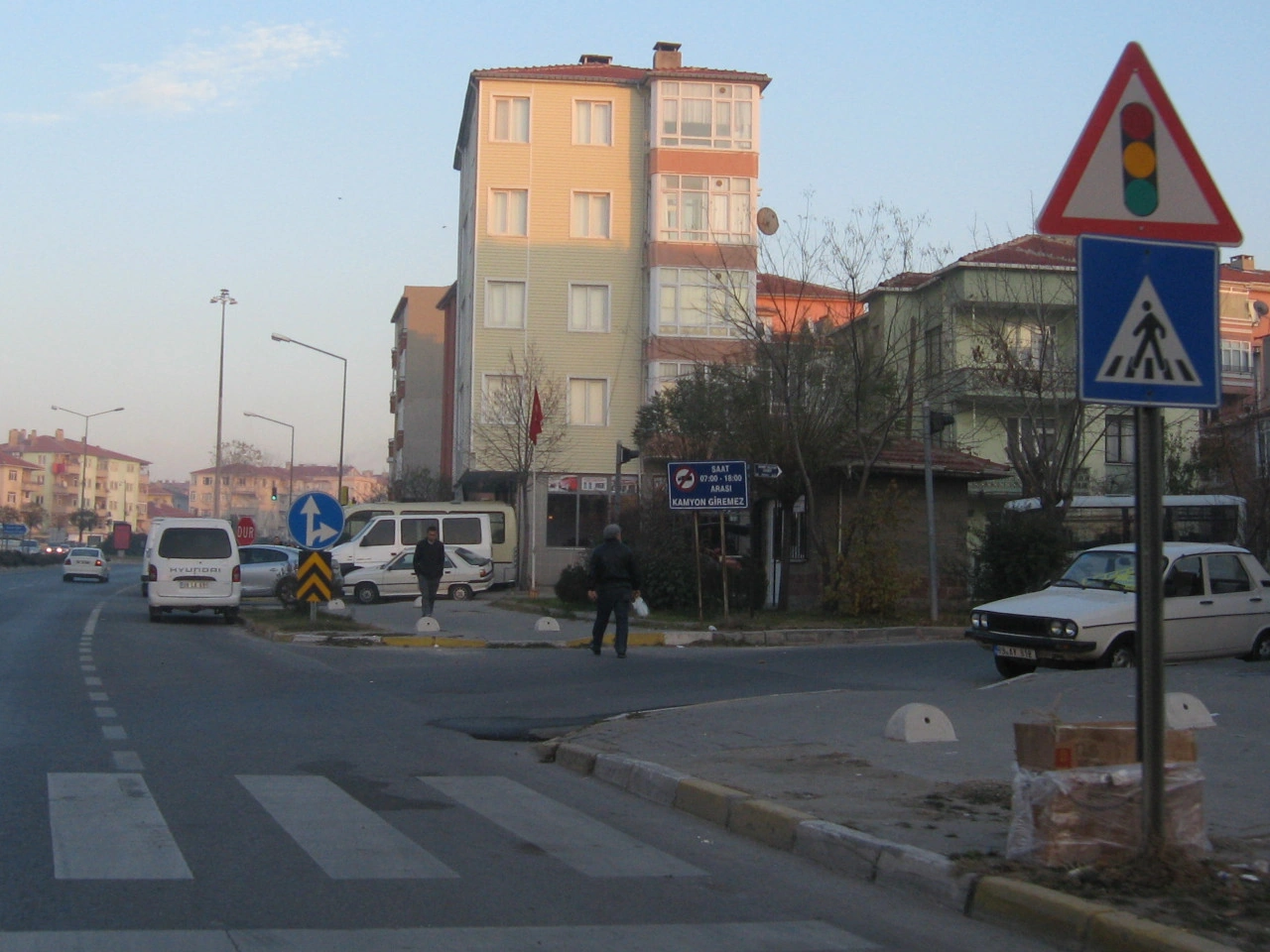
Passage pour piétons
What is a pedestrian crossing?

A pedestrian crossing is a designated place for pedestrians to cross a road. It may be controlled by traffic lights or operate without signals.

How can you recognise a pedestrian crossing?

It may be indicated by white road markings, traffic signs, flashing lights, pedestrian signals or a raised crossing. Its appearance varies between countries.

Is a pedestrian crossing the same as a zebra crossing?

A zebra crossing is a type of pedestrian crossing marked by broad contrasting stripes or rectangles. Not every pedestrian crossing uses this design.

Do pedestrians always have priority?

Not universally. Priority depends on local law, traffic signals and whether the pedestrian is already crossing or clearly preparing to cross.

Must drivers stop for pedestrians waiting beside the crossing?

This depends on local law. In many countries, drivers must give way when a pedestrian is clearly intending or preparing to enter the crossing.

How should drivers approach a pedestrian crossing?

Reduce speed, observe both sides of the road and be prepared to stop. Pay particular attention to children, older people and persons with limited mobility.

May you enter a crossing when traffic is congested?

No. Do not enter when traffic ahead may force you to stop on the crossing and block pedestrians.

Where should you stop for a pedestrian?

Stop before the crossing or before the applicable stop line. Leave the crossing completely clear.

May you overtake near a pedestrian crossing?

Overtaking may be prohibited, particularly when another vehicle has stopped or slowed for the crossing. Even where no specific prohibition applies, overtaking is unsafe when pedestrians may be hidden from view.

May you stop or park on a pedestrian crossing?

Normally not. Stopping or parking on or immediately before a crossing can obstruct pedestrians and hide them from approaching drivers.

Does a pedestrian crossing impose a speed limit?

Not by itself. Drivers must respect the applicable speed limit and reduce their speed further when necessary to stop safely.

Do traffic lights change the priority rules?

Yes. Drivers and pedestrians must follow the signals applying to them. Drivers must still allow pedestrians who lawfully started crossing to finish safely.

May pedestrians cross when their signal is red?

No. Pedestrians must wait when the pedestrian signal prohibits them from entering the road.

What if the pedestrian signal changes while someone is crossing?

A pedestrian who entered lawfully should continue at a normal pace. Drivers must allow the crossing to be completed safely.

May cyclists ride across a pedestrian crossing?

This depends on local law. In many countries, a person riding a bicycle is treated as a driver and does not receive pedestrian priority. A cyclist walking beside the bicycle is normally treated as a pedestrian.

Is a pedestrian crossing also a cycle crossing?

Not automatically. A separate cycle crossing, cycle path or combined crossing may be indicated by additional markings or signs.

Must pedestrians use a nearby crossing?

Some countries require pedestrians to use a crossing when one is located within a specified distance. Other countries allow crossing elsewhere when it can be done safely.

May pedestrians remain standing on the crossing?

No. Pedestrians should cross without unnecessary delay and should not obstruct traffic by stopping or lingering on the road.

Does a raised pedestrian crossing change priority?

The raised surface itself does not necessarily determine priority. Drivers and pedestrians must follow the crossing markings, signs, signals and local rules.

What should drivers check when turning across a crossing?

Check for pedestrians approaching from both sides and give way where required. Turning drivers should not focus only on motor traffic.

What should pedestrians do before crossing?

Observe approaching traffic, make sure drivers have sufficient time to react and cross carefully. Priority does not remove the need to avoid stepping into the path of a vehicle that cannot stop safely.

9. Zone scolaire

Une zone scolaire est une route ou un ensemble de routes proches d’une école où de nombreux enfants peuvent marcher, faire du vélo, traverser la route ou monter et descendre de véhicules. Elle peut être indiquée par des panneaux d’avertissement, panneaux de zone, marquages routiers, dispositifs de modération de la circulation ou feux clignotants.

Des limitations de vitesse particulières, restrictions de stationnement ou règles d’accès peuvent s’appliquer en permanence ou seulement aux heures d’arrivée et de sortie de l’école. Les conducteurs doivent réduire leur vitesse, surveiller attentivement les enfants et être prêts à s’arrêter.

What is a school area?

A school area is a road or group of roads near a school where drivers should expect large numbers of children, pedestrians, cyclists and stopping vehicles.

How can you recognise a school area?

It may be identified by school warning signs, speed-zone signs, flashing lights, road markings, coloured surfacing or traffic-calming measures. The signs differ between countries.

Does every road beside a school have special legal rules?

No. Special school-area rules normally apply only where signs, signals or local legislation establish them.

What is the speed limit in a school area?

There is no universal school-area speed limit. The applicable limit depends on the country, region, signs and whether a variable restriction is active.

Is the school-area speed limit always active?

Some limits apply permanently, while others apply only during displayed times or when flashing or variable signs are active. Drivers must observe the actual sign arrangement.

Must you drive below the displayed limit?

Yes, when necessary. The displayed speed is a maximum. Children, congestion, poor visibility or vehicles stopping near the school may require a much lower speed.

Why are children especially vulnerable in traffic?

Children may have difficulty judging speed and distance, may be hidden by parked vehicles and may enter the road unexpectedly.

How should you approach a school area?

Reduce speed early, increase your observation and be prepared for children crossing, cyclists changing direction, vehicle doors opening and cars stopping suddenly.

Do children automatically have priority everywhere?

No. Priority depends on crossings, traffic lights, authorised crossing supervisors and local rules. Drivers must nevertheless take exceptional care to avoid endangering children.

Must you obey a school crossing supervisor?

Yes. Drivers and other road users must follow lawful instructions given by an authorised person controlling traffic for children.

May children cross away from a pedestrian crossing?

This depends on local pedestrian rules. Drivers should remain prepared for children to cross unexpectedly, even where they are required to use a nearby crossing.

Does a school sign create pedestrian priority?

Not by itself. A school warning sign alerts drivers to children but does not normally create the legal effect of a pedestrian crossing.

Does a school area change intersection priority?

No. Traffic lights, priority signs and the ordinary intersection rules remain applicable unless another traffic arrangement provides otherwise.

May you overtake in a school area?

Overtaking may be restricted by signs or local law. Even where it is permitted, drivers should not overtake when children, crossings, limited visibility or stopped vehicles make the manoeuvre unsafe.

May you stop to drop off a child?

Only where stopping is permitted and can be completed safely. Do not stop on a crossing, pavement, bike path, bus stop or another prohibited or dangerous location.

May you park near a school entrance?

Follow the parking signs and markings. Do not block entrances, pavements, bike paths, crossings, visibility or access for buses and emergency vehicles.

Why is double parking dangerous near a school?

It blocks traffic and visibility and may force children to walk between moving vehicles or enter the road from behind an obstruction.

What should you watch for near school buses?

Expect children to enter or leave the vehicle and possibly cross the road. Reduce speed and follow any special warning lights, signs or local school-bus rules.

May cyclists ride through a school area?

Normally, yes. They must follow the applicable road, bike-path, speed and priority rules. Drivers should expect inexperienced young cyclists.

Is a school area the same as a school street?

No. A school area normally remains open to traffic under special caution or speed rules. A school street temporarily restricts or excludes motor traffic during specified periods.

Is a school area the same as a Zone 30?

Not universally. A school area may form part of a Zone 30, use another speed limit or have a variable restriction that applies only at particular times.

When do the school-area rules end?

They normally end at an end sign, at the end of the stated time period or when the variable signal is no longer active. The surrounding road rules then apply.

10. Dépassement

Le dépassement consiste à passer devant un autre usager circulant dans la même direction. Il implique normalement de changer de position ou de voie, de dépasser l’usager plus lent puis de revenir à la position appropriée lorsque cela peut être fait en sécurité.

Avant de dépasser, un conducteur doit s’assurer que la visibilité et l’espace sont suffisants, vérifier les rétroviseurs et angles morts, signaler lorsque cela est requis et s’assurer qu’aucun autre usager n’est déjà en train de le dépasser. La manœuvre doit être achevée sans dépasser la limitation de vitesse ni mettre en danger les autres usagers.

Dépassement
On which side should you overtake?

In right-hand traffic countries, overtaking normally takes place on the left. In left-hand traffic countries, it normally takes place on the right. National rules can provide exceptions in particular situations.

What should you check before overtaking?

Make sure there is sufficient visibility and space, check mirrors and blind spots, ensure that nobody behind has already started overtaking and confirm that you can safely return to your normal position after passing.

When should you not overtake?

Do not overtake where signs or road markings prohibit it or where visibility, approaching traffic, intersections, crossings, bends, hills or other conditions make the manoeuvre unsafe.

11. Traversée d’animaux

Un avertissement de traversée d’animaux indique un endroit ou une section où des animaux sauvages, du bétail ou des animaux montés peuvent pénétrer sur la route ou la traverser. Les animaux peuvent apparaître soudainement, se déplacer de manière imprévisible ou être difficiles à voir dans l’obscurité, la végétation ou par mauvais temps.

Les conducteurs doivent réduire leur vitesse, surveiller les deux côtés de la route et rester prêts à s’arrêter. Le panneau d’avertissement ne donne pas à lui seul la priorité aux animaux et n’impose pas une limitation numérique, mais les conducteurs doivent éviter de les effrayer, de les mettre en danger ou de les heurter.

Traversée d’animaux
What does an animals-crossing sign mean?

It warns that animals may enter or cross the road in the area ahead.

Which animals may the sign refer to?

Depending on the symbol and local conditions, it may refer to deer, cattle, horses, sheep, goats, wild boar or other animals.

How can you recognise an animals-crossing sign?

It is commonly a triangular warning sign displaying the silhouette of an animal. The species shown may indicate the type of animal most likely to be encountered.

Does the sign mean animals are always present?

No. It indicates an increased likelihood of animals crossing, not that animals will be present every time.

Does the sign impose a speed limit?

No. The normal posted or general speed limit remains applicable, but drivers must reduce speed when necessary to react safely.

Do animals have priority because of the sign?

No automatic priority is created by the warning sign. Drivers must nevertheless avoid danger and allow animals already on the road to pass safely.

How should you approach an animal-crossing area?

Reduce speed, increase your following distance and scan the road, verges, fields and vegetation for movement or reflected eyes.

When are wild animals most likely to appear?

Animal activity is often greater around dawn, dusk and darkness, although animals may cross at any time.

Why should you expect more than one animal?

Many animals travel in groups. When one animal crosses, others may follow immediately from the same direction.

Should you sound the horn?

Avoid unnecessary horn use or engine revving because it may frighten an animal and make its movement less predictable. Use a warning only when reasonably necessary to prevent danger.

Should you use full-beam headlights?

Use the appropriate lights without dazzling other road users. When an animal is visible, reduce speed and avoid relying on full beam to make it move away.

What should you do when an animal is on the road?

Slow down smoothly, stop when necessary and allow it enough time and space to leave. Avoid sudden acceleration or aggressive steering.

Should you swerve to avoid an animal?

Avoid an uncontrolled swerve that could cause a collision with another vehicle, tree, barrier, cyclist or pedestrian. Brake firmly while maintaining control and steer only when a safe escape path is clearly available.

How should you pass livestock?

Pass only when the animals and their handlers have sufficient space. Drive slowly, avoid noise and be prepared for an animal to change direction unexpectedly.

How should you pass a horse and rider?

Reduce speed, leave a large lateral distance and pass quietly. Avoid sounding the horn, accelerating sharply or passing when oncoming traffic prevents sufficient clearance.

Must you follow instructions from an animal handler?

Follow lawful instructions from an authorised person and cooperate with handlers controlling animals on or across the road.

May you overtake near an animal crossing?

The warning sign does not necessarily prohibit overtaking, but overtaking should be avoided when animals, limited visibility or approaching traffic make the manoeuvre unsafe.

What if an animal appears behind another vehicle?

Maintain enough following distance to see beyond the vehicle ahead. Be prepared for it to brake suddenly when an animal enters the road.

What should motorcyclists and cyclists do?

Reduce speed, keep both hands firmly in control and avoid sudden movements. Animals may react unexpectedly to quiet or fast-approaching two-wheeled vehicles.

What should you do after hitting an animal?

Stop safely, activate the hazard warning lights and check for injured people. Contact the emergency services or police when necessary and do not approach a wounded wild animal, which may defend itself.

Should you move an injured or dead wild animal?

Normally not. Keep a safe distance and allow the police, wildlife authorities or an animal-rescue service to handle it.

Can animals be present without a warning sign?

Yes. Drivers remain responsible for observing the road and adjusting their speed even where no animal warning sign is displayed.

12. Circulation à contresens

La circulation à contresens se produit lorsqu’un conducteur roule dans le sens opposé au sens de circulation légalement autorisé. Cela peut arriver sur une route à sens unique, une route à chaussées séparées, une entrée ou sortie d’autoroute ou une autre section réservée à une seule direction.

La circulation à contresens crée un risque extrême de collision frontale. Les conducteurs doivent respecter les panneaux directionnels, les sens interdits, les flèches de voie et les marquages routiers. Toute personne s’engageant accidentellement à contresens doit ralentir, avertir les autres usagers, s’arrêter à l’endroit le plus sûr disponible et contacter les services d’urgence.

Circulation à contresens
What is wrong-way driving?

Wrong-way driving means travelling against the legally permitted direction of traffic.

Where can wrong-way driving occur?

It can occur on one-way streets, divided roads, motorways, slip roads, tunnels, car parks and temporary traffic arrangements.

Why is wrong-way driving especially dangerous?

Other drivers do not expect approaching traffic in their lane, and the combined speeds can make a head-on collision extremely severe.

How can you recognise a prohibited direction?

Look for no-entry signs, one-way signs, mandatory-direction signs, lane arrows and road markings. Motorway exits may also have repeated signs or warning systems facing the wrong direction.

Is wrong-way driving the same as entering a no-entry road?

Entering past a no-entry sign can cause wrong-way driving, but the term also covers turning around on a divided road or using the wrong carriageway without passing such a sign.

Is driving against a one-way street always prohibited?

Normally, yes. However, signs may expressly permit certain road users, such as cyclists or public transport, to travel in the opposite direction.

Is authorised contraflow traffic wrong-way driving?

No. A cyclist, bus or other road user travelling in an expressly authorised contraflow lane or direction is using the road legally.

Can roadworks temporarily change the normal direction?

Yes. Temporary signs, barriers, lane signals and markings may redirect traffic onto another lane or carriageway. Follow the temporary arrangement rather than the usual road layout.

What should you do when you see a wrong-way driver?

Reduce speed immediately, keep as far as safely possible towards the outer edge of your carriageway and avoid sudden lane changes. Warn the police or emergency services as soon as this can be done safely.

Should you attempt to stop the wrong-way driver?

No. Do not block, chase or turn after the vehicle. Protect yourself and allow trained emergency services to intervene.

Should you flash your headlights?

A brief warning may help the driver recognise the error, but avoid prolonged or aggressive signalling that could cause panic or an unpredictable manoeuvre.

Should you sound the horn?

Use the horn only when reasonably necessary to warn of immediate danger. Your first priority is to reduce speed and create as much safe space as possible.

Should you stop in a live traffic lane?

Normally not. Sudden stopping may cause a rear-end collision. Slow down and move towards a safe shoulder, refuge or other protected location where possible.

What should you do after receiving a wrong-way-driver warning?

Reduce speed, stop overtaking, increase your following distance and remain in the lane or position recommended by the local authorities or warning system.

Should you continue using the overtaking lane?

Avoid unnecessary use of lanes nearest opposing or central traffic when a wrong-way driver has been reported. Follow local emergency guidance and electronic signs.

What should you do if you are driving in the wrong direction?

Slow down immediately, activate the hazard warning lights and use dipped headlights where required. Move to the safest available edge or shoulder and stop.

Should you accelerate to reach the next exit?

No. Increasing speed greatly increases the collision risk. Stop safely and wait for instructions from the police.

Should you make a U-turn across traffic?

No. Do not turn across live lanes, cross a central reservation or attempt to correct the mistake through another dangerous manoeuvre.

Should you reverse back to the entrance?

No. Reversing against traffic or along a motorway slip road creates additional danger. Stop safely and contact the emergency services.

Should you leave the vehicle after stopping?

This depends on the location and immediate danger. Remain protected from moving traffic and follow instructions from the emergency services. Do not stand in a live lane.

How should you contact the emergency services?

Stop safely before using a handheld phone. A passenger may call while the vehicle is moving when local law permits and this can be done without distracting the driver.

What information should you report?

Report the road name or number, direction, nearby exit or landmark, vehicle description and the wrong-way driver’s approximate location and direction.

What commonly causes wrong-way driving?

Possible causes include confusion at junctions, poor visibility, unfamiliar roads, impairment, navigation errors, turning around illegally or deliberately ignoring traffic signs.

How can drivers prevent entering the wrong direction?

Slow down at unfamiliar junctions, read signs before turning, verify the road layout and do not rely exclusively on navigation instructions.

Does a navigation system override traffic signs?

No. Traffic signs, signals, markings and instructions from authorised persons always take precedence over navigation guidance.

13. Panneau de contrôle radar

Un panneau de contrôle radar avertit les conducteurs que la vitesse des véhicules peut être contrôlée par une caméra fixe, un radar mobile, un lidar ou un système de contrôle de vitesse moyenne. Il rappelle aux conducteurs de vérifier et de respecter la limitation applicable.

Le panneau ne fixe normalement pas lui-même la limitation de vitesse. Les conducteurs doivent respecter la limitation générale, affichée ou variable applicable à la route et ne doivent pas freiner brusquement simplement parce qu’un contrôle de vitesse est signalé.

What does a radar speed sign mean?

It warns that vehicle speeds may be measured or enforced on the road ahead or throughout a specified section.

Is a radar speed sign the same as a speed-limit sign?

No. A speed-limit sign establishes the maximum legal speed. A radar sign only warns that compliance with an applicable limit may be monitored.

Where can the applicable speed limit be found?

Check the most recent speed-limit sign, variable sign, speed-zone sign or general limit applying to the road and vehicle category.

Does the radar sign impose a lower speed?

No. It does not normally change the existing limit. Drivers must nevertheless travel more slowly when traffic, visibility, weather or road conditions require it.

Does the sign mean a camera is definitely present?

It may announce a permanent camera, a mobile-control area or a section where enforcement can occur. The exact meaning depends on the country and sign design.

Does the sign guarantee that the camera is active?

No. Drivers should never rely on assumptions about whether equipment is operating and should respect the speed limit at all times.

What is a fixed speed camera?

A fixed speed camera is permanently installed at a particular location and measures the speed of passing vehicles.

What is a mobile speed camera?

A mobile speed camera is temporarily positioned in a police vehicle, trailer, roadside unit or another approved location.

What is lidar speed enforcement?

Lidar uses laser pulses to measure the speed and position of vehicles. It may be used by police officers or in temporary automatic installations.

What is average-speed enforcement?

Average-speed enforcement records a vehicle at two or more points and calculates its average speed across the controlled section.

Can slowing only at the camera avoid an average-speed offence?

No. Average-speed enforcement considers the travel time across the complete measured section rather than speed at only one point.

Can a camera enforce both speed and red lights?

Yes. Some systems monitor vehicle speed and whether a vehicle passes a red traffic signal.

Is a radar warning sign legally required everywhere?

No. Some authorities announce speed cameras, while others permit enforcement without advance warning. The rules differ between countries and regions.

Can speed enforcement occur without a radar sign?

Yes. The absence of a warning sign does not normally prevent police or authorised authorities from carrying out a lawful speed check.

Does the sign give permission to drive at the displayed road limit?

The applicable limit remains a maximum rather than a target. Drivers must reduce speed whenever travelling at that limit would be unsafe.

Should you brake suddenly after seeing the sign?

No. Check your speed and reduce it smoothly when necessary. Sudden braking can cause a rear-end collision.

May you accelerate again after passing the camera?

Only while remaining within the applicable limit and driving safely. The restriction may continue, and another camera or average-speed section may follow.

Does the radar sign end the speed limit?

No. Passing a camera or radar sign does not end the applicable speed restriction.

What is a radar speed display?

A radar speed display measures an approaching vehicle and shows its current speed, sometimes with a colour, message or smiley symbol.

Is a radar speed display an enforcement camera?

Not necessarily. Many displays are preventive devices intended to make drivers aware of their speed and may collect anonymous traffic statistics without issuing penalties.

Is the displayed speed legally authoritative?

No. The roadside display is generally informational. Drivers remain responsible for observing the vehicle’s speedometer and the legal speed limit.

Can radar monitor motorcycles?

Yes. The technical ability to measure a motorcycle and the method used to identify it depend on the enforcement equipment.

Can a camera monitor several lanes?

Yes. Modern systems may measure vehicles in one or more lanes and may distinguish between traffic directions or vehicle categories.

Can different vehicles have different speed limits?

Yes. Heavy vehicles, buses, trailers or other vehicle categories may be subject to lower limits than passenger cars on the same road.

What should you do when you are already exceeding the limit?

Release the accelerator and reduce speed smoothly and safely. Do not brake harshly or make an abrupt lane change.

14. Feux de circulation

Les feux de circulation utilisent des lumières colorées, des flèches ou des symboles pour indiquer quand les usagers peuvent avancer, doivent se préparer à s’arrêter ou doivent rester arrêtés. Des signaux distincts peuvent s’appliquer à certaines directions, voies, aux piétons, cyclistes ou véhicules de transport public.

Un feu vert autorise le mouvement uniquement lorsque le passage est libre et que la manœuvre est par ailleurs légale. Les usagers doivent toujours respecter les règles de priorité, interdictions de tourner, marquages de voie et instructions des agents habilités.

Feux de circulation
What are traffic lights?

Traffic lights are signals that use coloured lights, arrows or road-user symbols to regulate traffic movements.

What does a red traffic light mean?

A red light requires road users to stop before the stop line or signal and remain stopped until movement is permitted.

What does a steady amber light mean?

A steady amber light normally requires drivers to stop unless they are already too close to stop safely. It warns that the signal is changing to red.

What does a green traffic light mean?

A green light permits road users to pass the signal, but only when the route is clear and the intended movement is otherwise legal.

Does green mean that you have priority over everyone?

No. You may still have to give way to pedestrians, cyclists, oncoming traffic or other road users when turning or following a conditional arrow.

May you enter a blocked intersection on green?

No. Do not enter when congestion is likely to leave you stopped inside the intersection and obstructing crossing traffic.

Where should you stop at a red light?

Stop before the stop line. When no stop line is provided, stop before the traffic light or at another legally prescribed position.

May you cross the stop line and then stop?

No. The required stop must normally be completed before the stop line. Do not stop on a pedestrian or cycle crossing.

What if the light changes to amber while you are approaching?

Stop when this can be done safely. Continue only when you are already too close to stop without creating danger.

Should you accelerate to pass an amber light?

No. Do not accelerate to avoid stopping. Maintain control and stop unless doing so safely is no longer possible.

What do arrow-shaped traffic lights mean?

They have the same general meaning as circular lights, but the prohibition or permission applies only to the direction shown by the arrow.

What does a green arrow displayed with a red light mean?

It may permit travel in the indicated direction while other movements remain prohibited. Drivers may still have to give way to conflicting traffic and pedestrians.

Does a green arrow override a no-turn sign?

Not universally. Drivers must follow the complete local sign arrangement. A traffic signal does not necessarily cancel a separate regulatory prohibition.

May you turn right on red?

Only where local law or a specific sign or signal expressly permits it. There is no universal right to turn on red.

What does a flashing amber light mean?

It warns of a potential hazard and normally allows cautious passage. The ordinary priority arrangement remains applicable.

What should you do when the normal lights are flashing amber?

Reduce speed, observe the intersection carefully and follow the applicable priority signs or default priority rules.

What does a flashing red light mean?

Its meaning depends on local law. At railway crossings and some movable bridges, flashing red lights normally require road users to stop.

What do lane-control signals mean?

A red cross normally closes the lane, a green downward arrow opens it and an amber diagonal arrow instructs drivers to leave the lane in the indicated direction.

May you continue beneath a red lane-control cross?

No. Move out of the lane safely before reaching the red cross unless an authorised person or emergency rule directs otherwise.

What does an amber diagonal lane arrow mean?

It warns that the lane is closing or unavailable ahead. Drivers must move into the adjacent lane indicated by the arrow when safe.

Can separate lights apply to cyclists?

Yes. A signal displaying a bicycle symbol applies to the road users legally covered by that signal rather than to general motor traffic.

Can separate lights apply to pedestrians?

Yes. Pedestrian lights normally use red and green human figures to indicate whether pedestrians may begin crossing.

What does a flashing green pedestrian light mean?

It normally warns that the crossing period is about to end. Pedestrians who have not started should wait for the next green signal.

What if the pedestrian signal changes while someone is crossing?

A person who entered lawfully should continue without unnecessary delay. Turning drivers must allow the crossing to be completed safely.

Can buses and trams have separate traffic lights?

Yes. Public-transport signals may use bars, circles, triangles or other symbols that apply only to authorised service vehicles.

Do functioning traffic lights override priority signs?

They commonly replace the priority arrangement at that location. Priority signs may apply again when the normal signals are inactive or flashing.

Do instructions from a police officer override traffic lights?

Yes. Instructions from an authorised traffic controller normally take precedence over lights, signs, markings and ordinary rules.

What should you do when the lights are not working?

Reduce speed and follow the priority signs, temporary signals, authorised personnel or default priority rules that apply.

May you clear an intersection after the light turns red?

Yes, when you entered lawfully and must leave the intersection. Complete the movement cautiously without endangering other road users.

Does a green light impose a minimum speed?

No. Drivers may proceed but must continue at a safe and legal speed.

May you use a handheld phone while waiting at red?

This depends on local law. In many countries, a driver temporarily stopped in traffic is still considered to be driving and may not use a handheld device.

15. Arrêt interdit

Arrêt interdit signifie que les véhicules ne sont pas autorisés à s’arrêter volontairement à l’endroit indiqué, même brièvement pour faire monter ou descendre des passagers ou charger ou décharger des marchandises. Il s’agit d’une restriction plus stricte qu’une interdiction de stationner.

Une interdiction d’arrêt peut être signalée par un panneau, un marquage routier ou une réglementation locale. Les conducteurs doivent continuer jusqu’à un endroit où l’arrêt est permis, sauf s’ils sont contraints de s’arrêter par la circulation, une urgence ou une autre obligation légale.
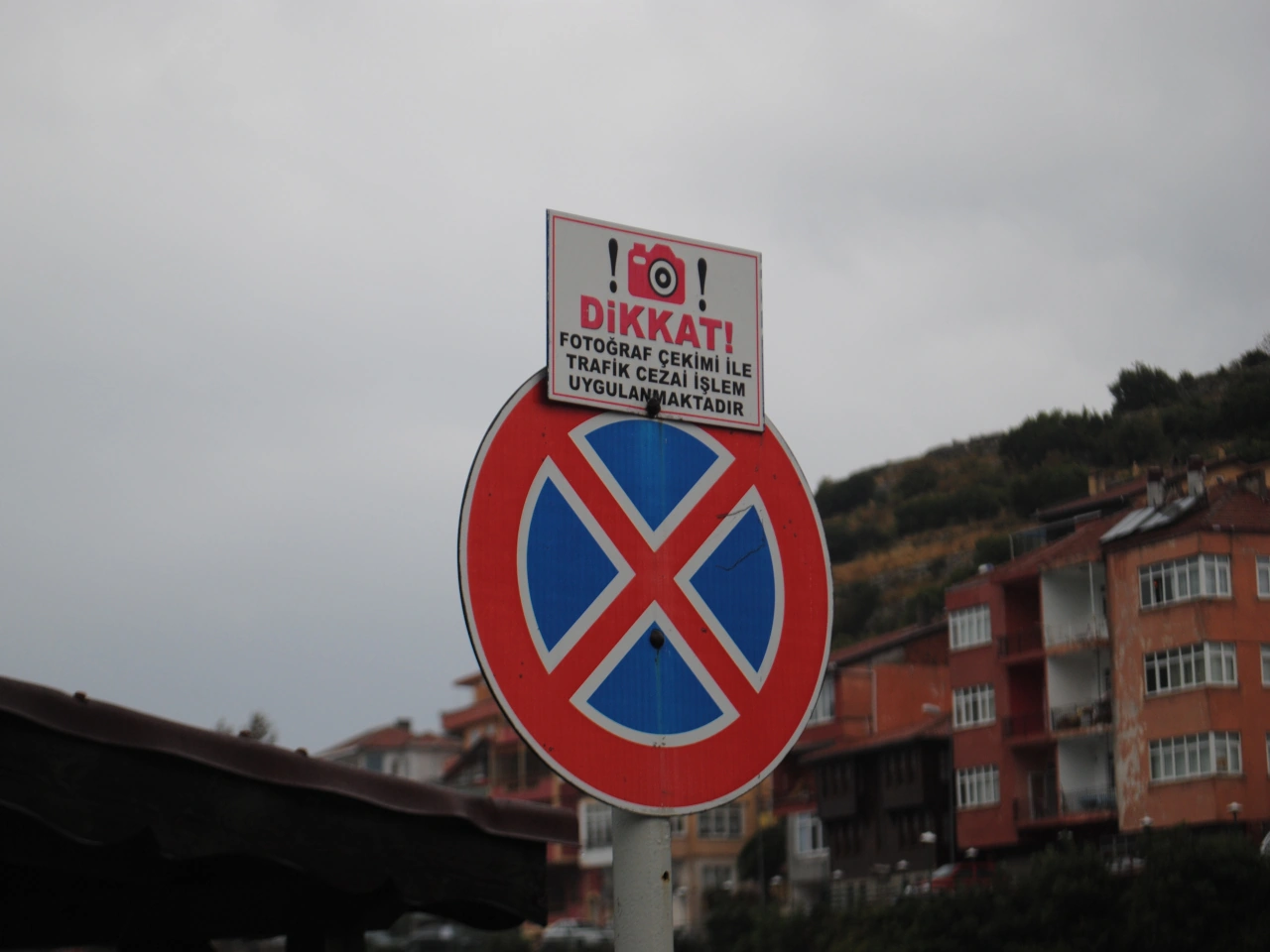
Arrêt interdit
What does a no stopping restriction mean?

It means that a driver may not voluntarily stop the vehicle in the restricted area. The prohibition normally includes stopping to pick up or drop off passengers or to load or unload goods.

What is the difference between no stopping and no parking?

No stopping is the stricter restriction. A no-parking rule may still allow a brief stop for activities such as picking up passengers or loading goods, while a no-stopping rule prohibits these voluntary stops as well.

Can you stop in a no-stopping area during an emergency?

A driver may have to stop because of an emergency, traffic conditions, a red light, police instructions or another situation outside the driver's control. Such compulsory stops are generally different from voluntarily stopping the vehicle.

16. Marche arrière

La marche arrière consiste à conduire un véhicule vers l’arrière. Elle est couramment utilisée pour stationner, quitter un espace restreint ou repositionner un véhicule lorsque le mouvement vers l’avant n’est pas pratique.

Avant de reculer, le conducteur doit vérifier les rétroviseurs et angles morts, observer attentivement les alentours du véhicule et s’assurer que l’espace derrière est libre. La marche arrière doit être effectuée lentement et uniquement aussi longtemps que nécessaire, car la visibilité derrière le véhicule est souvent limitée.
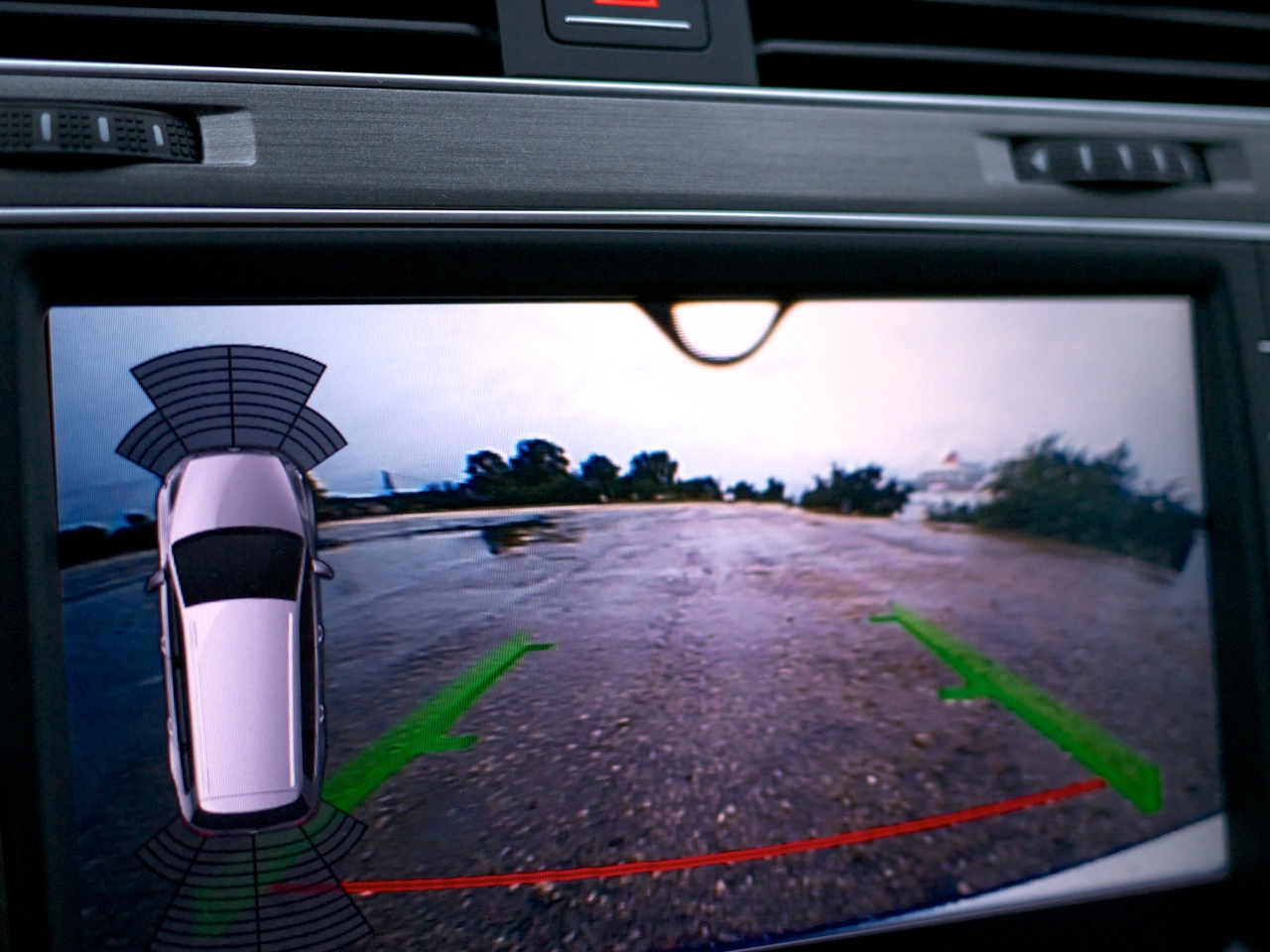
Marche arrière
What should you check before reversing?

Check behind and around the vehicle for pedestrians, cyclists, other vehicles and obstacles. Use mirrors and cameras where available, but also look directly because monitoring systems can have blind spots.

Who has priority when a vehicle is reversing?

In many countries, reversing is treated as a manoeuvre and the reversing driver must give way to other road users. The exact legal requirements depend on national traffic rules.

Should you reverse for a long distance?

No. Reversing should normally be limited to the distance necessary to complete the manoeuvre safely. Driving forward generally provides better visibility and vehicle control.

17. État de la chaussée

Un avertissement concernant l’état de la chaussée indique que la route plus loin peut être irrégulière, endommagée ou en mauvais état et affecter la stabilité, la direction ou le freinage du véhicule. Le danger peut comprendre des bosses, affaissements, nids-de-poule, revêtement dégradé ou autres irrégularités.

Les conducteurs doivent réduire leur vitesse si nécessaire, maintenir une distance de sécurité et éviter les mouvements brusques de direction ou de freinage sur une surface irrégulière. La signification et l’apparence exactes du panneau varient selon les pays ; les conducteurs doivent donc respecter la signalisation et la réglementation locales.
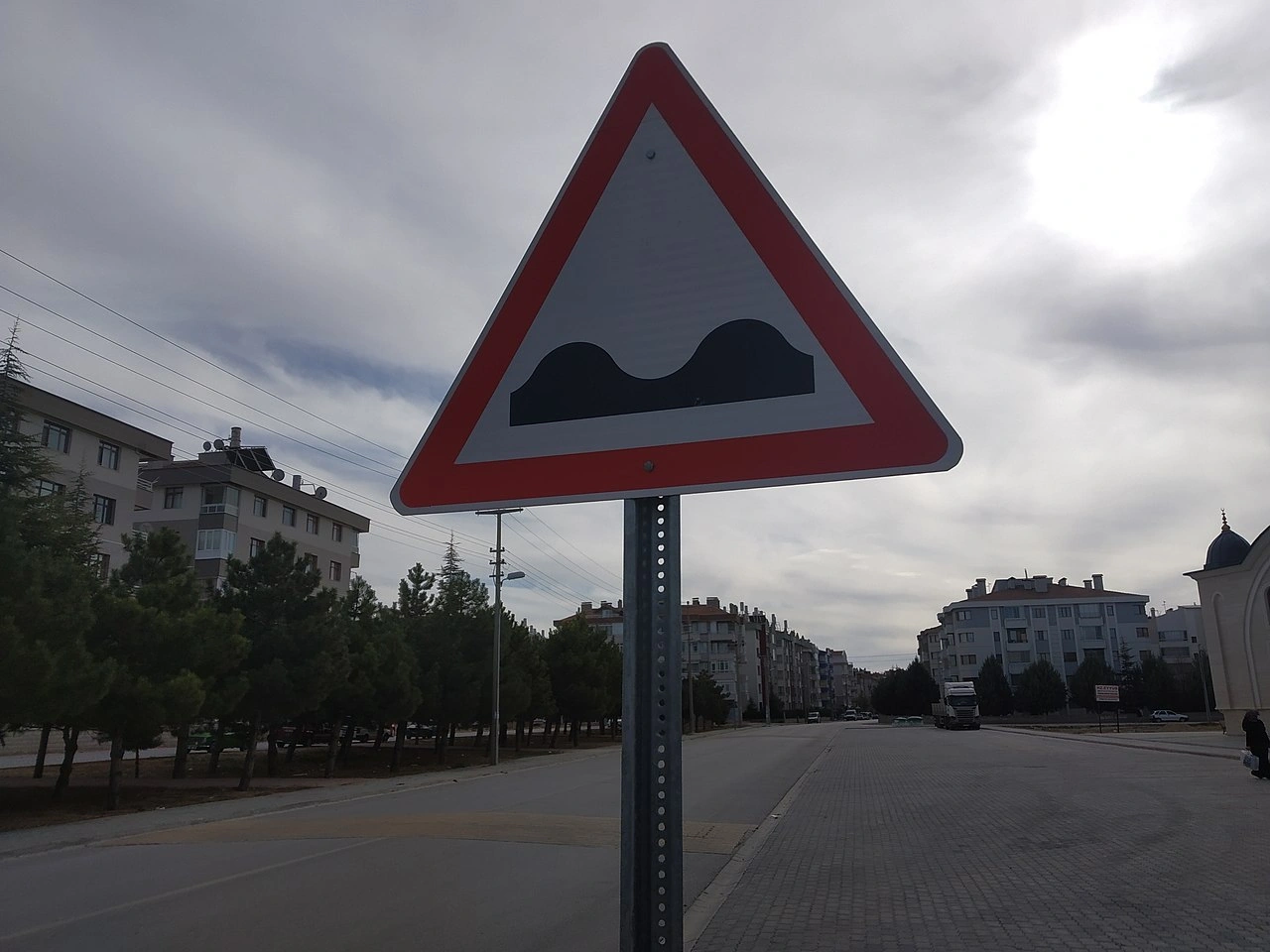
État de la chaussée
What does a road surface warning mean?

A road surface warning indicates that the surface ahead may be uneven, damaged or otherwise capable of affecting the safe movement of vehicles.

What kinds of road defects can the warning indicate?

Depending on the country, it may warn of bumps, depressions, potholes, broken pavement, uneven repairs or other surface irregularities.

What should you do when you see a road surface warning?

Reduce speed where necessary, increase your awareness of the road ahead and be prepared for changes in the vehicle's stability or direction.

Does a road surface warning impose a specific speed limit?

Not normally. A warning sign alerts drivers to a hazard rather than establishing a numerical speed limit. A separate speed-limit sign may be used where a particular maximum speed is required.

Should you brake before reaching an uneven road surface?

Where slowing is necessary, it is generally safer to reduce speed before reaching the irregular surface rather than braking sharply while travelling over it.

Why can an uneven road surface be dangerous?

A severe surface irregularity can affect tyre contact, steering, braking and vehicle stability. It can also damage tyres, wheels or suspension components.

Are motorcycles and bicycles particularly affected by uneven surfaces?

Yes. Two-wheeled vehicles can be particularly sensitive to potholes, ridges and other irregularities because these hazards may disturb their balance or alter their direction suddenly.

Is an uneven-road warning the same as a slippery-road warning?

No. An uneven-road warning concerns the physical condition or shape of the road surface. A slippery-road warning concerns reduced tyre grip caused by the surface or conditions such as water, ice, mud or other substances.

Can the warning apply over a longer section of road?

Yes. A supplementary sign may indicate the distance to the hazard or the length of the affected section, depending on the country's traffic-sign system.

Should you increase your following distance on a poor road surface?

Yes, when conditions require it. Additional distance provides more time to react if the vehicle ahead slows suddenly to avoid a pothole or other surface defect.

18. Limite d’agglomération

Une limite d’agglomération est la frontière à partir de laquelle une zone bâtie ou urbaine commence ou se termine pour l’application des règles de circulation. Elle est couramment indiquée par un panneau de nom de localité ou d’agglomération et peut marquer le point où certaines règles, telles que les limitations urbaines, règles de stationnement ou autres restrictions, commencent ou cessent de s’appliquer.

Une limite d’agglomération au sens routier ne correspond pas nécessairement exactement à la limite administrative d’une ville ou commune. Sa signification juridique dépend des panneaux et règles de circulation utilisés dans le pays.

What is a city limit?

A city limit marks the boundary of a city, town, village, locality or municipality. On roads, it is often indicated by a place-name or boundary sign.

Does a city-limit sign always mark a built-up area?

No. A city-limit or locality sign may simply identify a place or administrative boundary. A legally defined built-up area can use a different sign or definition.

Does passing a city-limit sign always change the speed limit?

No. In some countries a locality or boundary sign has consequences for traffic rules, while in others it mainly identifies the place. Drivers must follow the traffic signs and rules that apply in that country.

Is a city limit the same as a municipal boundary?

Not always. Some signs indicate an administrative municipal boundary, while others identify a city, town, village or locality without exactly following the municipality's legal boundary.

What is the difference between a city limit and a built-up area?

A city limit identifies the boundary of a named place or administrative area. A built-up area is a traffic-law concept that may affect rules such as default speed limits. The two boundaries can coincide, but they do not have to.

19. Plaque d’immatriculation

Une plaque d’immatriculation, également appelée plaque minéralogique ou plaque de numéro, est une plaque affichant un identifiant unique attribué à un véhicule par l’autorité compétente. Elle permet d’identifier le véhicule à des fins telles que l’immatriculation, le contrôle routier, la fiscalité, l’assurance et le contrôle du stationnement.

L’apparence, le format, l’emplacement et le nombre de plaques exigées varient selon les pays et catégories de véhicules. Les conducteurs doivent veiller à ce que les plaques requises soient correctement fixées, clairement visibles et lisibles et respecter les règles locales en cas de perte, vol, détérioration ou remplacement.
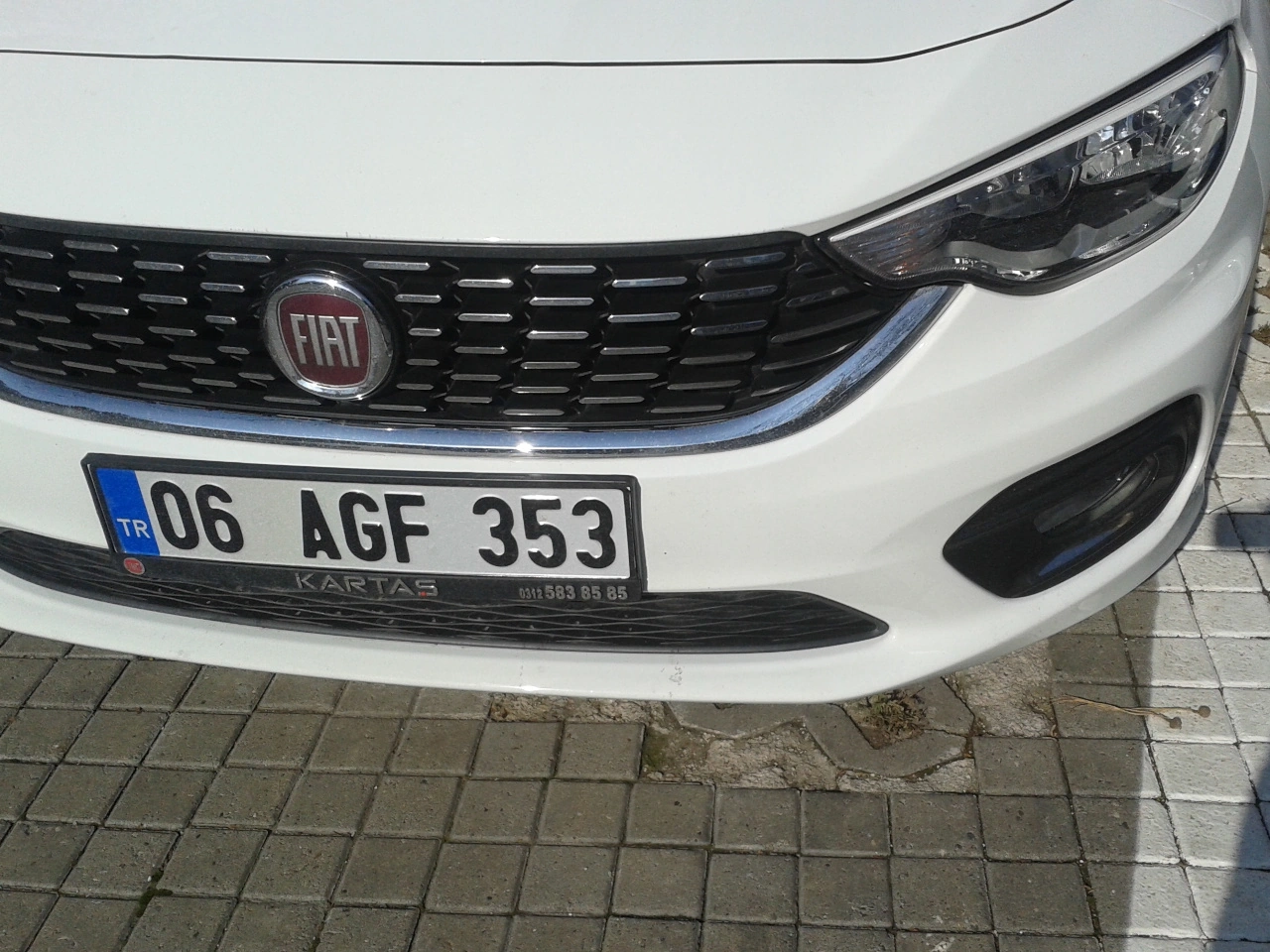
Plaque d’immatriculation
What is a licence plate?

A licence plate is a plate displaying the registration identifier assigned to a vehicle. It allows authorities and other authorised systems to identify the vehicle's registration.

Is a licence plate the same as a registration plate?

Yes. Licence plate, registration plate and number plate are different terms commonly used for the plate displaying a vehicle's official registration number.

Does every vehicle need a licence plate?

Most motor vehicles used on public roads must display one or more registration plates, but requirements differ for motorcycles, trailers, agricultural vehicles and other special vehicle categories.

Do vehicles need both front and rear licence plates?

This depends on the country and vehicle type. Cars commonly require front and rear plates, while motorcycles and certain other vehicles may require only a rear plate.

Must a licence plate remain visible?

Yes. A required registration plate must normally remain clearly visible and readable. It should not be hidden by luggage, dirt, accessories or other objects.

Can you modify a licence plate?

Generally no. Changing the characters, colours, dimensions or appearance of an official plate may make it invalid or illegal. Plates and authorised reproductions must comply with local specifications.

What should you do if a licence plate is lost or stolen?

Follow the local reporting and replacement procedure. Many countries require the loss or theft to be reported to the police or vehicle-registration authority before a replacement plate can be issued.

Can you drive with a damaged licence plate?

A plate must remain legible and compliant with local requirements. If damage prevents it from being read or makes it invalid, it should be replaced according to the local registration procedure.

Can a licence plate be personalised?

Some countries allow motorists to request a personalised registration combination. The available characters, formats and prohibited combinations are determined by the registration authority.

Does a licence plate stay with the vehicle when it is sold?

This varies between countries. In some systems the plate remains with the vehicle, while in others it remains associated with the registered holder and may be retained or returned when the vehicle is sold.

20. Dangers

Un panneau de danger général avertit les usagers d’un danger à venir qui n’est pas représenté par un panneau d’avertissement plus spécifique. Le danger particulier peut être précisé par un panneau additionnel, un texte, un symbole ou une autre indication accompagnant le panneau.

Les conducteurs doivent redoubler d’attention, observer la route devant eux et adapter leur vitesse à la nature du danger et aux conditions environnantes. L’apparence exacte du panneau et la manière d’identifier le danger varient selon les pays ; les usagers doivent donc respecter la signalisation et la réglementation locales.

Dangers
What does a general danger warning sign mean?

A general danger warning sign indicates that there is a hazard ahead that is not represented by a more specific warning sign in the local traffic-sign system.

What kind of danger can the sign indicate?

It can be used for unusual or uncommon hazards for which no dedicated warning symbol exists. The nature of the danger may be explained by an additional panel, symbol or message.

How can you know what the danger is?

Look for a supplementary panel, text or symbol accompanying the warning sign. It may describe the hazard or provide information needed to understand the warning.

What should you do when you see a general danger warning sign?

Increase your attention, observe the road and surroundings carefully and adapt your speed where necessary so that you can respond safely to the hazard.

Does the sign impose a specific speed limit?

Not normally. A warning sign alerts road users to danger rather than establishing a numerical speed limit. A separate speed-limit sign may be provided where a specific maximum speed is required.

Why is a general warning sign used instead of a specific warning sign?

It is used when the traffic-sign system does not contain a specific symbol that accurately represents the particular hazard.

Can the danger be temporary?

Yes. A general warning sign may be used for either a temporary or continuing hazard, depending on local signing rules and the circumstances.

Can a supplementary panel indicate the distance to the danger?

Yes. Depending on the country's traffic-sign system, an additional panel may indicate the distance to the hazard, the length of the dangerous section or other useful information.

Does a general danger sign give anyone priority?

No. A danger warning sign does not by itself change the priority rules. Drivers must continue to follow traffic lights, priority signs and the normal right-of-way rules.

Does the warning end immediately after the sign?

Not necessarily. The sign normally warns of a hazard ahead of the sign, and the dangerous situation may extend over a section of road. Supplementary information may indicate its location or length.

21. Camion

Un camion est un véhicule à moteur conçu principalement pour transporter des marchandises. Les camions vont des petits véhicules de livraison aux grands poids lourds et ensembles articulés utilisés pour le transport de fret sur longue distance.

Comme les camions sont généralement plus grands, plus lourds et moins maniables que les voitures particulières, ils ont besoin de davantage d’espace pour tourner et freiner et possèdent souvent des angles morts plus importants. Des règles particulières de vitesse, d’utilisation des voies, de dépassement et d’accès peuvent s’appliquer selon le poids du véhicule et le pays.
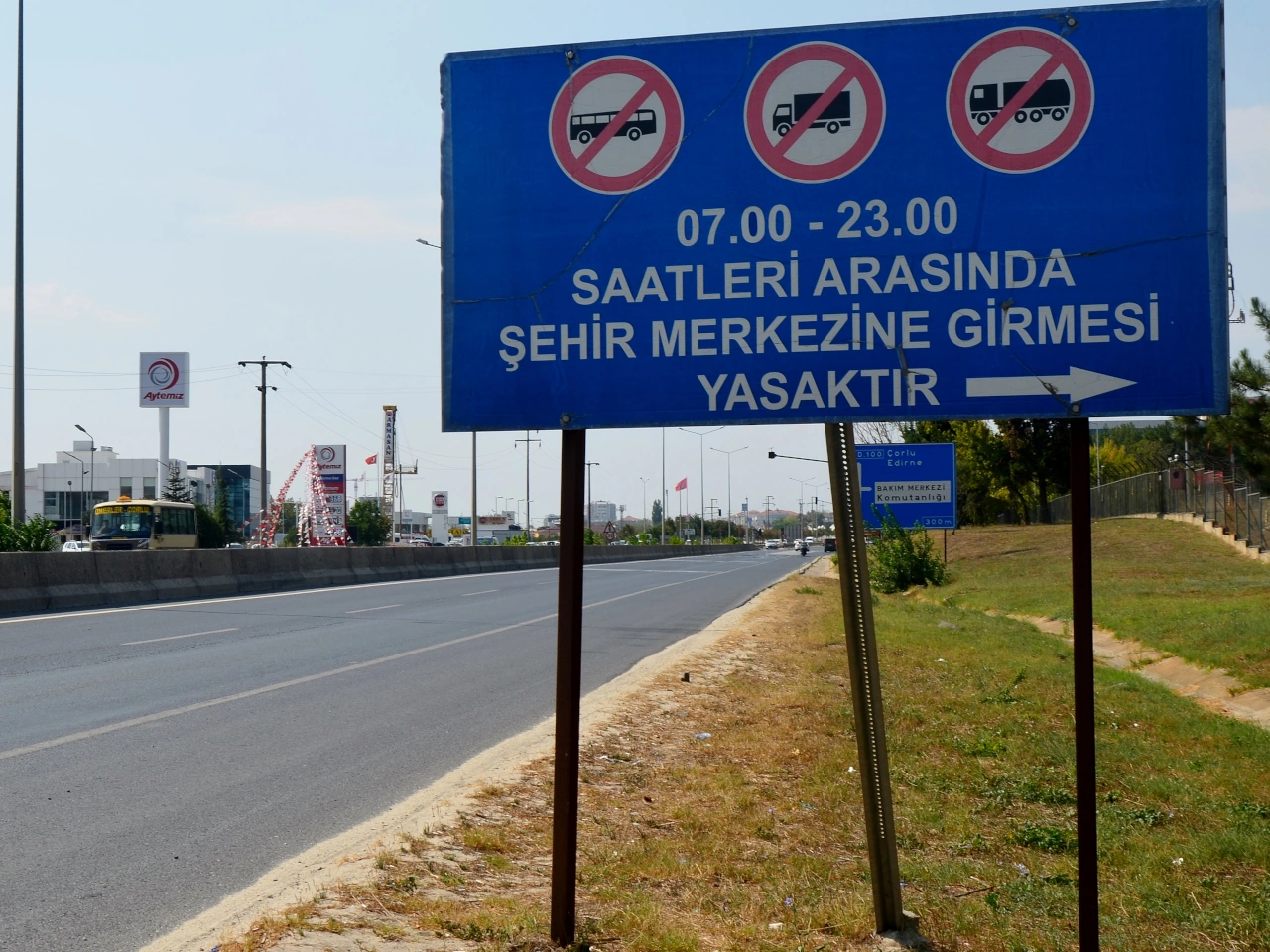
Camion
What is a truck?

A truck is a motor vehicle designed primarily for transporting goods.

Are all trucks considered heavy goods vehicles?

No. Trucks can include lighter goods vehicles as well as heavy trucks. Traffic laws often apply different rules according to the vehicle's maximum authorised mass.

Why should other road users take extra care around trucks?

Trucks may have larger blind spots, longer stopping distances and wider turning paths than smaller vehicles, so other road users should avoid remaining unnecessarily close beside or in front of them.

22. Autobus

Un autobus est un véhicule à moteur conçu pour transporter plusieurs passagers, généralement sur route dans le cadre des transports publics, scolaires, privés ou d’un autre service de transport de personnes. Les autobus ont généralement une capacité supérieure aux voitures et peuvent être conçus pour des passagers assis, debout ou les deux.

Des règles particulières peuvent s’appliquer concernant le permis, la capacité, les limitations de vitesse, les ceintures, les voies de bus, les arrêts et l’embarquement des passagers. La classification juridique des autobus et autocars et les règles applicables varient selon les pays ; conducteurs et passagers doivent donc respecter la réglementation locale.

Autobus
What is a bus?

A bus is a motor vehicle designed to transport a relatively large number of passengers. It may be used for public transport, school transport, private services or other passenger transport.

What is the difference between a bus and a coach?

A bus is commonly designed for frequent passenger boarding and may allow standing passengers, while a coach is generally designed for longer journeys with passengers seated. Exact legal definitions vary between countries.

Do you need a special driving licence to drive a bus?

Yes. Driving a vehicle designed to carry more than a specified number of passengers normally requires a dedicated bus or passenger-vehicle driving licence.

Can passengers stand on a bus?

Only when the vehicle is designed and approved to carry standing passengers. Coaches and other vehicles designed exclusively for seated passengers must not be used beyond their approved passenger configuration.

Must bus passengers wear seat belts?

Where seat belts are provided and local law requires their use, passengers must wear them correctly. Urban buses designed for standing passengers may have seating positions or operating conditions that differ from coaches.

Can buses use bus lanes?

Yes, where permitted. Bus lanes are commonly reserved for public transport buses, although local signs may also allow taxis, bicycles or other specified vehicles to use them.

Do buses always have priority when leaving a bus stop?

No. Some countries require other drivers to give way to buses leaving designated stops, particularly in urban areas, while others apply the normal merging rules.

Should you take extra care near a stopped bus?

Yes. Passengers may be boarding, leaving or crossing the road near the bus. Reduce speed where necessary and watch carefully for pedestrians emerging from behind or in front of the vehicle.

Do buses have special speed limits?

They can. Some countries impose lower maximum speeds on buses than on passenger cars, particularly on high-speed roads. Different limits may apply to buses and coaches.

Can a bus use a motorway?

Yes, normally. Buses that satisfy the applicable construction and access requirements may use motorways, but they must obey any vehicle-specific speed limits, lane restrictions and other local rules.

23. Police

La police regroupe les autorités publiques chargées de faire respecter les lois, maintenir la sécurité publique et gérer les situations pouvant affecter la circulation. Sur la route, les agents peuvent contrôler les véhicules, faire respecter les règles, enquêter sur les collisions, diriger la circulation et intervenir en urgence.

Les usagers doivent respecter les instructions légales données par la police ou d’autres personnes habilitées à contrôler la circulation. Selon la loi locale, les instructions de la police peuvent temporairement primer sur les feux de circulation, panneaux ou organisation habituelle.

Police
What is the role of police in road traffic?

Police help enforce traffic laws, manage traffic, investigate collisions and respond to dangerous situations. They may also carry out roadside checks and direct road users.

Must you obey a police officer directing traffic?

Yes. Lawful directions given by an authorised police officer must be followed. In many countries, those directions take precedence over traffic lights, road signs and normal priority rules.

What should you do if police signal you to stop?

Slow down, follow the officer's directions and stop at a safe location as instructed. Do not make sudden movements or continue driving unless directed to do so.

Can police direct you through a red traffic light?

Yes, where authorised by local law. A police officer controlling traffic may instruct road users to proceed even when a traffic light or sign would normally require them to stop.

Can police check your driving documents?

Yes. Police may require drivers to provide documents such as a driving licence, vehicle registration, identification or proof of insurance according to local law.

Can police carry out alcohol or drug checks?

Yes. Traffic police may conduct legally authorised alcohol and drug checks using procedures such as breath, saliva or other approved tests.

Can police temporarily close a road?

Yes. Roads or lanes may be temporarily closed or traffic diverted because of collisions, emergencies, investigations, public events or other safety concerns.

What should you do near police controlling an accident scene?

Reduce speed, remain alert and follow all directions. Do not enter a closed area or interfere with emergency personnel, and leave sufficient space for emergency vehicles.

What should you do when a police vehicle approaches with emergency signals?

Follow the local rules for priority vehicles. Drivers generally have to make sufficient space, give way and stop where necessary so that the emergency vehicle can pass safely.

Can police order a parked vehicle to be moved?

Yes, where local law permits it. Police or another authorised authority may require a vehicle to be moved when it obstructs traffic, creates danger or must be removed for operational reasons.

24. Ambulance

Une ambulance est un véhicule équipé et utilisé pour fournir une assistance médicale d’urgence ou transporter des patients vers ou entre des établissements de santé. Elle peut transporter du matériel médical et du personnel formé pouvant prodiguer des soins pendant le transport.

Lors d’une intervention urgente, une ambulance peut utiliser des feux d’avertissement et une sirène et bénéficier d’une priorité spéciale ou d’exemptions à certaines règles. Les autres usagers doivent respecter les règles locales applicables aux véhicules d’urgence, laisser suffisamment d’espace et ne pas gêner leur passage.

Ambulance
What is an ambulance?

An ambulance is a specially equipped vehicle used to provide emergency medical assistance and transport sick or injured people.

When does an ambulance have priority?

This depends on the local traffic rules and warning signals being used. Ambulances responding to emergencies commonly use flashing lights and a siren to indicate that other road users must make way.

What should you do when an ambulance approaches?

Remain calm and make sufficient space for it to pass. Slow down or stop where necessary, but avoid sudden or dangerous manoeuvres.

Should you stop immediately when you hear an ambulance siren?

Not necessarily in your exact position. Move or stop in a way that creates a safe passage without blocking an intersection, pedestrian crossing or another part of the road needed by the ambulance.

Can an ambulance pass a red traffic light?

Emergency vehicles may be allowed to pass a red light during an urgent response under special legal conditions. The precise rules differ between countries, and the ambulance driver must still take appropriate precautions.

Can an ambulance exceed the speed limit?

Many countries permit emergency vehicles to depart from certain normal speed rules during an urgent mission, subject to safety requirements and national legislation.

Can an ambulance drive through a traffic queue?

Yes, when responding to an emergency and legally permitted to do so. Other road users should create space and keep emergency corridors or access routes clear where required.

Can you follow an ambulance through traffic?

You should not use the passage created for an ambulance as a way to bypass congestion. Maintain a safe distance and continue to obey the normal traffic rules.

Do ambulances always use their sirens?

No. The use of warning lights and sirens depends on the urgency of the mission and local regulations. An ambulance transporting a patient does not necessarily need to use emergency signals throughout the journey.

What should you do near a stationary ambulance?

Reduce speed and remain alert. Medical personnel, patients or other emergency workers may be entering the road, and the ambulance may need to move unexpectedly.

25. Nid-de-poule

Un nid-de-poule est un trou ou un creux dans la chaussée causé par l’usure, les intempéries, l’eau, les charges répétées du trafic ou la détérioration du revêtement. Les nids-de-poule peuvent varier fortement en taille et profondeur et se développer progressivement ou s’aggraver après le gel, de fortes pluies ou le passage répété des véhicules.

Ils peuvent affecter la direction, le freinage et la stabilité du véhicule et endommager les pneus, roues ou éléments de suspension. Les conducteurs et cyclistes doivent observer la route, adapter leur vitesse et éviter les manœuvres brusques ou dangereuses lorsqu’ils rencontrent un revêtement endommagé.

Nid-de-poule
What is a pothole?

A pothole is a hole or depression that develops in a road surface when the pavement becomes damaged or deteriorates.

How do potholes form?

Potholes can develop through a combination of water, temperature changes, traffic loads and deterioration of the road material. Cracks can gradually expand until pieces of the surface break away.

Why are potholes dangerous?

A pothole can cause a vehicle to change direction suddenly, lose stability or suffer tyre, wheel or suspension damage. Deep potholes can present a particularly serious hazard at higher speeds.

What should you do when you see a pothole?

Reduce speed when necessary, maintain control of the vehicle and avoid abrupt steering or braking. Only move around the pothole when this can be done safely without endangering other road users.

Should you brake while driving through a pothole?

If possible, reduce your speed before reaching the pothole. Sudden heavy braking or steering while passing over a damaged surface can make the vehicle less stable.

Are potholes particularly dangerous for motorcycles?

Yes. A pothole can disturb the steering or balance of a motorcycle and may cause the rider to lose control.

Are potholes dangerous for cyclists?

Yes. Bicycle wheels can be strongly affected by deep holes or sharp edges, particularly when the cyclist has little time or space to avoid the hazard.

Can a pothole damage a car?

Yes. Severe impacts can damage tyres, wheel rims, suspension components, steering parts or wheel alignment.

Should you swerve suddenly to avoid a pothole?

No. A sudden evasive movement may create a greater danger by bringing the vehicle into conflict with cyclists, pedestrians, oncoming traffic or vehicles in another lane.

Can a warning sign indicate potholes ahead?

Yes. Depending on the country's traffic-sign system, an uneven-road or general-danger warning sign may be used where poor road conditions create a significant hazard.