

Infraction routièreFlandre
Apprenez les règles de circulation avec des explications claires et des exemples visuels dans notre livre illustré, simple et agréable à étudier.
 Règles de circulation
 Flandre
246. Infraction routière
Une infraction routière est un acte qui enfreint une loi ou règle de circulation, par exemple un excès de vitesse, le non-respect d’un panneau, l’utilisation d’un appareil interdit en conduisant ou le refus de céder le passage. La gravité varie et peut entraîner un avertissement, une amende, des points de pénalité, une suspension du permis ou d’autres sanctions selon le pays. Les comportements plus graves créant un risque élevé pour les autres usagers peuvent entraîner des sanctions plus lourdes ou des poursuites pénales.
How are traffic violations classified in Belgium?
Belgian traffic violations are divided into four degrees. The higher the degree, the more serious the offence and the heavier the possible penalty.
What is a first-degree traffic violation in Belgium?
A first-degree violation is generally a less serious traffic offence. Provisions of the traffic regulations that are not specifically assigned to another degree are normally treated as first-degree violations.
What are the current immediate fines for traffic violations in Belgium?
Since 1 July 2026, the standard immediate collections are €64 for a first-degree violation, €128 for a second-degree violation and €191 for a third-degree violation. A fourth-degree offence carries much heavier consequences and normally leads to court proceedings for Belgian residents.
Can a traffic violation lead to a driving ban in Belgium?
Yes. A court can impose a disqualification from driving for certain second- and third-degree offences, while a driving ban is mandatory for fourth-degree offences. Specific rules can also apply to novice drivers.
Are speeding offences included in the four-degree system in Belgium?
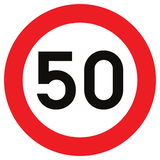
Speeding has its own fine and penalty rules based on factors such as how far the speed limit was exceeded and where the offence occurred. It is therefore treated separately from the standard four-degree classification.
Are alcohol and drug offences treated like ordinary traffic violations in Belgium?
No. Driving under the influence is subject to separate rules and sanctions, which can include fines, immediate driving restrictions, court proceedings and disqualification from driving.
Will Belgium’s new Road Code change the traffic rules?
Yes. The new federal Code of the Public Road and the three regional codes will replace the current traffic regulations on 1 June 2027. Until then, the current rules and offence classifications remain applicable.


