


Tram lightsNetherlands
 Traffic rules
 Netherlands
63. Tram lights
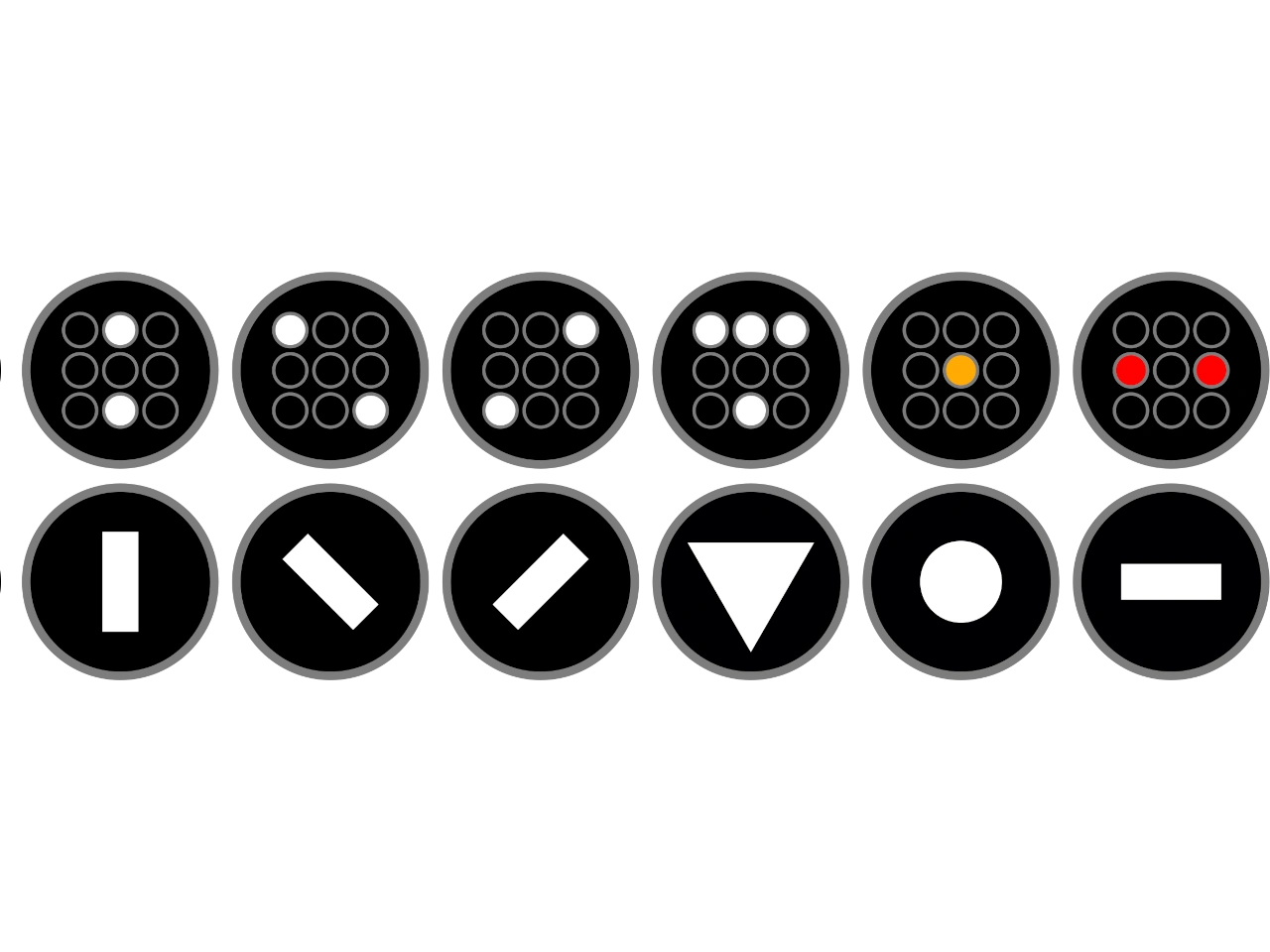
Tram lights are special traffic signals used to control the movement of trams and, in some countries, other public-transport vehicles. They are often designed differently from ordinary red, amber and green traffic lights so that public-transport drivers can clearly distinguish the signals intended for them.
The signals may indicate stop, prepare to stop, proceed or proceed only in a specified direction. Their shapes, colours and meanings vary between countries, so road users must follow the local traffic-signal system and regulations.
Wikimedia.org • Juerd Waalboer • CC0
What are tram lights?
Tram lights are special traffic signals used to control trams and sometimes other authorised public-transport vehicles.
Why are tram lights different from normal traffic lights?
Using different symbols, shapes or colours makes it easier for tram and public-transport drivers to distinguish their signals from the red, amber and green lights controlling ordinary road traffic.
Do tram lights have the same meaning in every country?
No. The appearance and meaning of public-transport signals vary between countries and sometimes between transport systems.
Can tram lights indicate different directions?
Yes. Special signals may permit a tram to continue straight ahead, turn left or turn right while other movements remain prohibited.
Do ordinary motorists have to follow tram lights?
Normally no when the signals are specifically intended for trams or public-transport vehicles. Ordinary drivers must follow the traffic lights and signs that apply to them.
Can tram lights operate differently from ordinary traffic lights?
Yes. Public-transport signals may allow a tram to proceed while ordinary traffic remains stopped, helping the tram cross an intersection or receive priority through traffic.
Can cyclists ever have to follow tram lights?
In some road layouts, cyclists or other authorised users may share infrastructure controlled by public-transport signals. Whether those signals apply to them depends on local traffic law and signage.
Does a signal allowing a tram to proceed mean other traffic may also proceed?
No. A signal intended specifically for a tram or public-transport vehicle does not give permission to other road users unless their own signal or traffic rule also permits them to proceed.
What should drivers do near tram signals?
Follow the signals intended for your own traffic stream, remain alert for approaching trams and avoid stopping where you could obstruct the tracks.
Do tram lights replace normal priority rules for everyone?
No. They primarily regulate the vehicles to which they apply. Other road users must continue to obey their own traffic lights, signs and applicable priority rules.


