


Slippery roadRussia
An introduction to the traffic rules and road signs of Russia. Learn about driving, road safety and much more in our illustrated book, with answers to frequently asked questions.
For informational purposes only. Always follow official regulations. Some content and images were created with AI assistance.
 Traffic rules
 Russia
25. Slippery road
A slippery road has reduced tyre grip and can make steering, braking and acceleration less effective. Roads may become slippery because of rain, ice, snow, mud, oil, loose material or other substances on the surface. Drivers should reduce speed, increase their following distance and avoid sudden steering, braking or acceleration. Extra caution is needed in bends, on bridges and wherever the road surface changes unexpectedly.
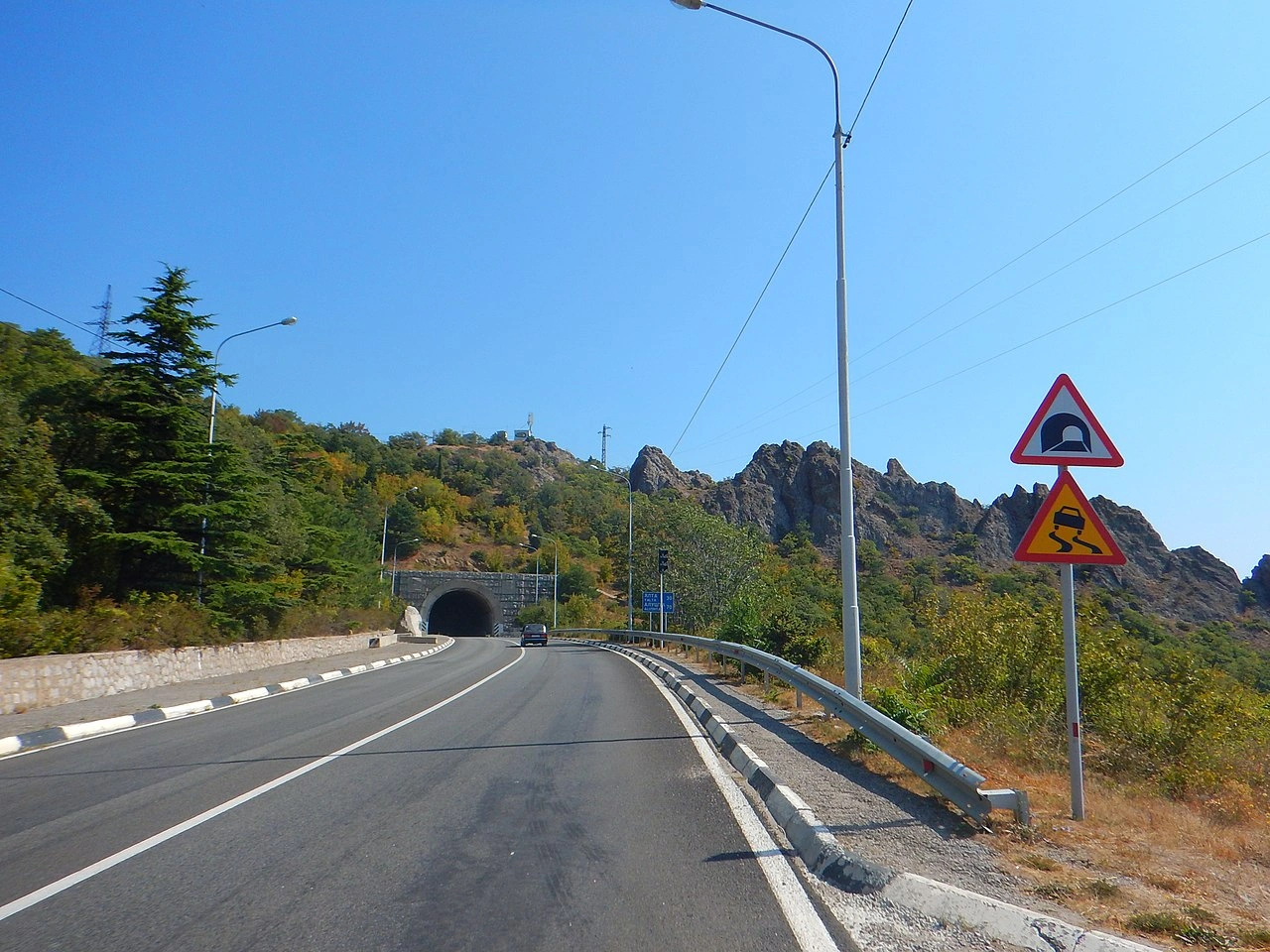
Wikimedia.org • Roma Neus • CC BY
What makes a road slippery?
A road can become slippery because of rain, ice, snow, mud, oil, loose material or other substances that reduce tyre grip.
How should you drive on a slippery road?
Reduce speed, increase your following distance and use smooth steering, braking and acceleration. Sudden movements can cause the tyres to lose grip.
Why does braking distance increase on a slippery road?
Reduced tyre grip means the tyres cannot generate as much braking force, so the vehicle may need a longer distance to slow down or stop.
Can a road be slippery even when it looks dry?
Yes. Oil, dust, loose material or a thin layer of ice can reduce grip even when the road does not appear obviously wet or slippery.
Are bends more dangerous on slippery roads?
Yes. Turning requires tyre grip, so a slippery surface can make it easier for the vehicle to skid or leave its intended path, especially at higher speeds.
What should you do if your vehicle starts to skid?
Stay calm and avoid sudden braking or steering. Make smooth corrections and allow the tyres to regain grip. The correct response can depend on the vehicle and its safety systems.


