

Kiss and rideWallonia
 Traffic rules
 Wallonia
52. Kiss and ride
A Kiss and Ride area is a designated place where drivers may stop briefly to drop off or pick up passengers. These areas are commonly provided near schools, railway stations, airports and other busy destinations to allow passengers to enter or leave a vehicle without occupying ordinary parking spaces.
A Kiss and Ride area is intended for very short stops rather than waiting or parking. Drivers should remain only as long as necessary for passengers to get in or out and must follow any traffic signs, time limits, road markings or local regulations applying to the area.
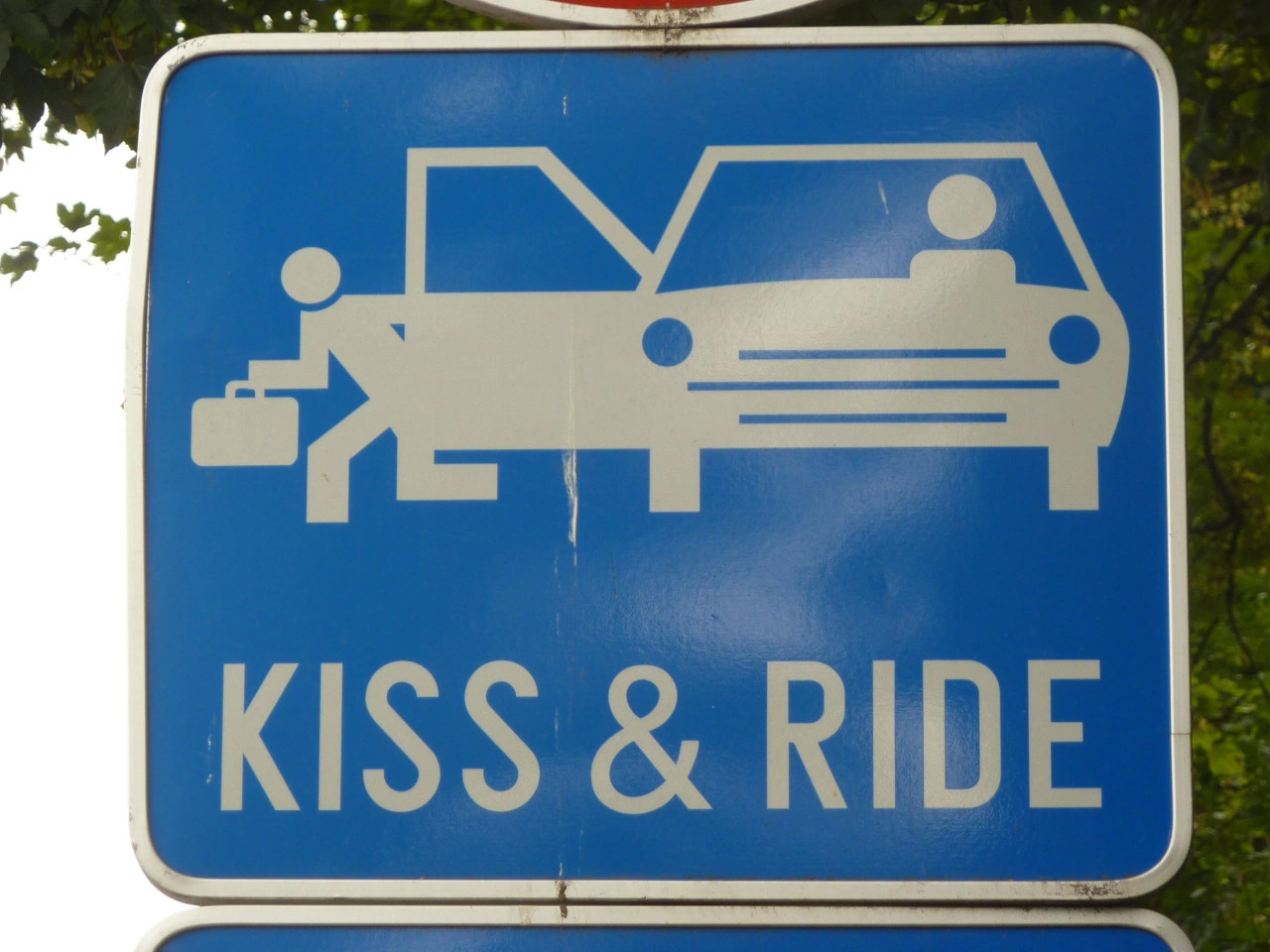
Wikimedia.org • Lumixbx • CC BY-SA
What is a Kiss and Ride zone in Belgium?
A Kiss and Ride zone is an area intended for drivers to stop briefly while passengers get into or out of the vehicle. Such areas are commonly used near schools, railway stations and other locations where many passengers are dropped off or collected.
Is Kiss and Ride an official Belgian traffic sign?
There is currently no dedicated national Kiss and Ride traffic sign with its own separate legal regime in the Belgian Road Code. The enforceable conditions at a particular Kiss and Ride area therefore depend on the official traffic signs, road markings and local regulations used to organise it.
May you park in a Belgian Kiss and Ride zone?
A Kiss and Ride zone is intended for passenger drop-off and pick-up rather than parking. If official signs prohibit or restrict parking, those rules must be followed. Drivers who need to remain longer should use a normal parking space.
When is dropping off a passenger considered stopping rather than parking in Belgium?
A vehicle is considered stopped when it remains stationary only for the time necessary for passengers to get in or out or for goods to be loaded or unloaded. Remaining stationary for longer than necessary is considered parking.
May you wait for your child in a Belgian Kiss and Ride zone?
You should not occupy the zone while waiting for a child who is not yet ready to enter the vehicle. Such waiting can constitute parking rather than stopping. Use an ordinary parking place and enter the Kiss and Ride area when the passenger is ready.
Should you remain behind the wheel in a Kiss and Ride zone?
Where possible, yes. Remaining ready to leave immediately helps keep the area available for other drivers. Belgian police guidance for school Kiss and Ride zones specifically recommends remaining behind the wheel where practical.
May you leave the car to accompany your child to school?
A Kiss and Ride zone is generally not intended for this purpose. If you need to leave the vehicle and accompany the child, use a suitable parking place instead so that the Kiss and Ride area remains available for immediate drop-off and pick-up.
How long may you stay in a Belgian Kiss and Ride zone?
There is no single nationwide Kiss and Ride time limit. The applicable limit depends on the signs and local regulations at the location. Where the area is intended solely for immediate passenger transfer, you should remain only for the time necessary for passengers to get in or out.
Can a Belgian municipality impose specific Kiss and Ride rules?
Yes. Local authorities can organise the area using official parking or stopping signs, supplementary indications, road markings and local traffic regulations. The precise conditions can therefore differ between locations.
Are Kiss and Ride zones commonly used near Belgian schools?
Yes. They are used at many schools to organise short passenger drop-offs and collections and to reduce vehicles waiting or parking immediately beside the school entrance.
Which side should children use when leaving the car?
Whenever possible, passengers should leave the vehicle on the safest side, away from moving traffic, typically directly towards the pavement. Drivers should make sure that opening the doors does not endanger cyclists, pedestrians or other road users.
What should you do if the Kiss and Ride area is full?
Do not stop in a dangerous or prohibited position or block the traffic while waiting. Continue to a legal parking or waiting place and return when space becomes available or when the passenger is ready.


