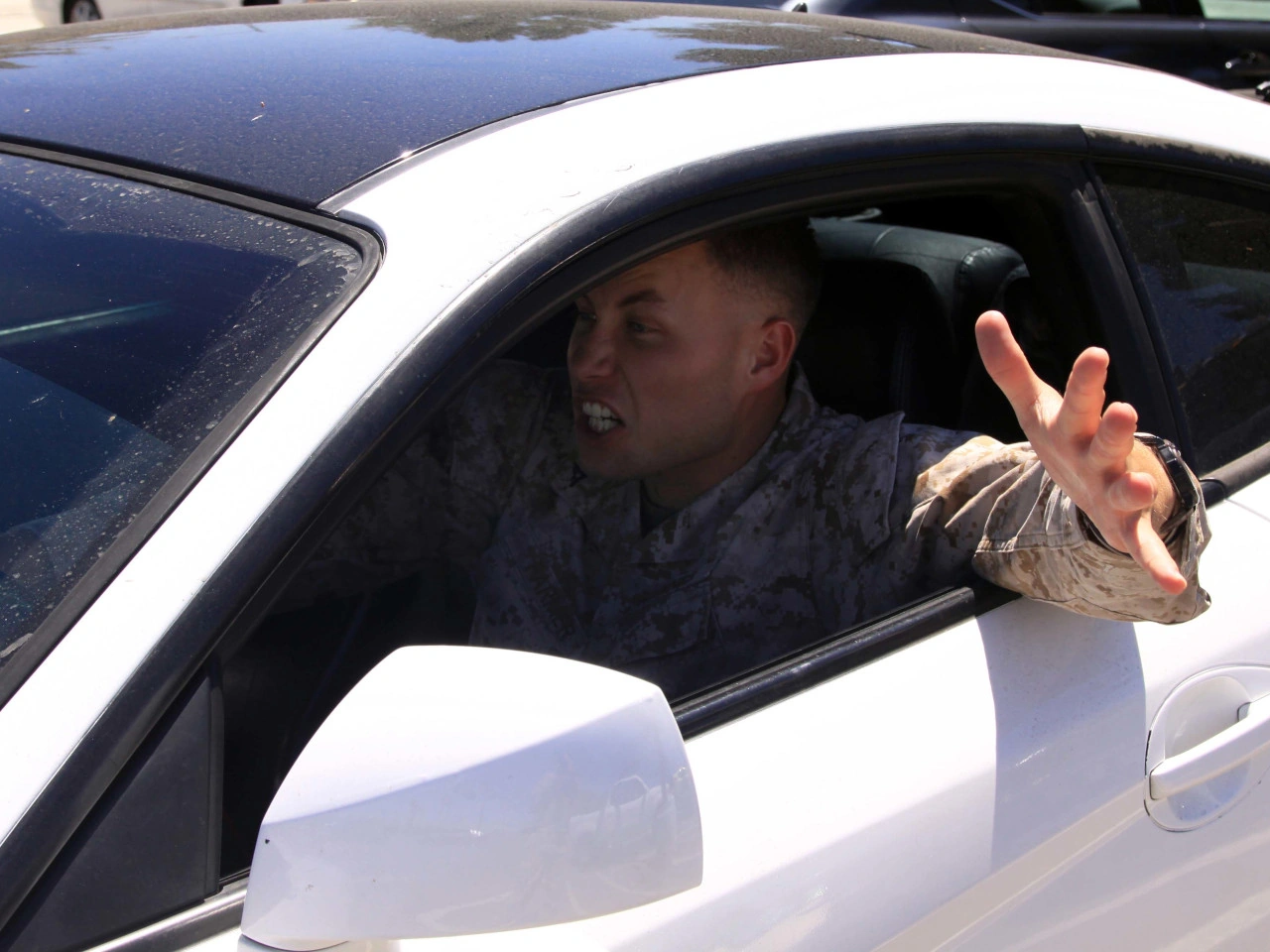
Agresividad al volanteIrlanda
Una introducción a las normas de tráfico y las señales de tráfico de Irlanda. Aprenda sobre conducción, seguridad vial y mucho más en nuestro libro ilustrado, con respuestas a las preguntas más frecuentes.
Solo con fines informativos. Siga siempre la normativa oficial. Algunos contenidos e imágenes se crearon con ayuda de la IA.
 Normas de tráfico
 Irlanda
212. Agresividad al volante
La agresividad al volante es un comportamiento agresivo, hostil o intimidatorio de un usuario hacia otros en el tráfico. Puede incluir tocar el claxon en exceso, circular demasiado cerca, gritar, hacer gestos amenazantes, bloquear a otro vehículo o realizar maniobras deliberadamente agresivas. La ira puede reducir el juicio y aumentar la asunción de riesgos, convirtiendo un pequeño conflicto en una situación peligrosa. El conductor debe evitar la confrontación, mantener la calma, dejar una distancia segura y nunca responder con conductas agresivas.