Equipamiento de motocicletaIrlanda

Aprende normas de tráfico con explicaciones claras y ejemplos visuales en nuestro libro ilustrado, diseñado para que estudiar sea sencillo y ameno.


69. Equipamiento de motocicleta

El equipamiento de motocicleta incluye el equipo de protección del conductor y pasajero y el equipamiento de seguridad instalado en la motocicleta. Suele incluir casco, ropa protectora, guantes, botas y protección ocular, mientras que la motocicleta requiere luces, frenos, espejos, neumáticos e indicadores según la legislación local.

Los elementos legalmente obligatorios varían entre países y categorías. Los usuarios deben asegurarse de que tanto su equipamiento protector como la motocicleta sean adecuados, se utilicen correctamente y estén en condiciones seguras.
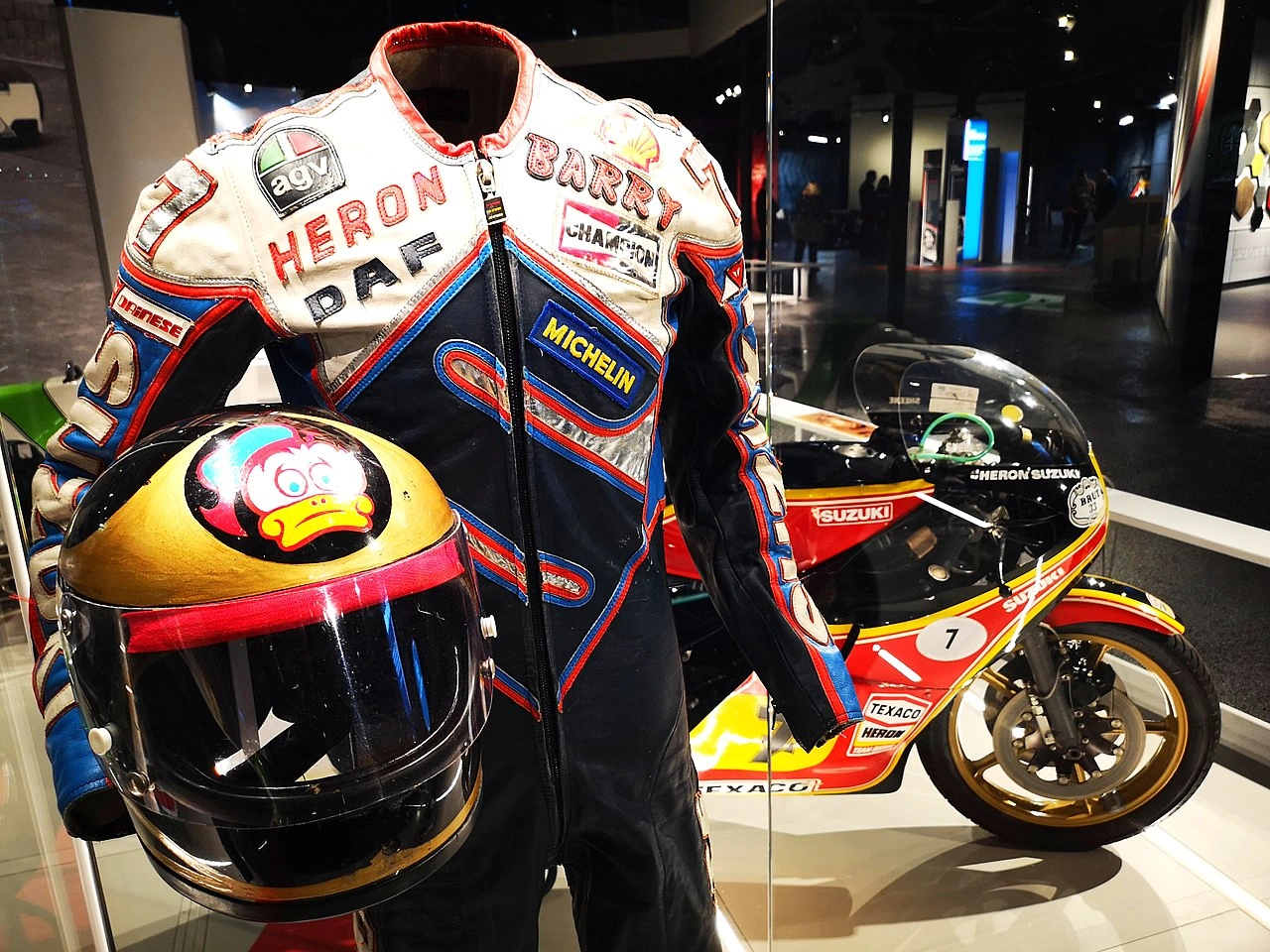
Equipamiento de motocicleta
What equipment should a motorcyclist use?

Motorcyclists should use appropriate protective equipment, commonly including a helmet, gloves, protective jacket and trousers, and footwear that protects the feet and ankles.

Is a motorcycle helmet compulsory?

Helmet requirements depend on local law, although approved motorcycle helmets are compulsory in many countries. The helmet should fit correctly and be used in a way that preserves its protective function.

Why is protective motorcycle clothing important?

Protective clothing can reduce injuries caused by impact, abrasion and contact with the road surface. Purpose-designed motorcycle clothing may also include impact protectors for vulnerable parts of the body.

Why should motorcyclists wear gloves?

Gloves help protect the hands and wrists against abrasion, weather and impact and can also improve grip on the motorcycle controls.

Why are motorcycle boots important?

Suitable boots provide protection for the feet and ankles and can reduce injuries caused by impact, abrasion or the motorcycle falling onto the rider.

Does a motorcycle passenger need protective equipment?

Yes. Passengers are exposed to many of the same risks as riders and should use appropriate protective equipment. Local law may require the passenger to wear the same helmet and clothing as the rider.

What safety equipment must a motorcycle have?

A road-legal motorcycle normally requires functioning brakes, tyres, lights, reflectors, mirrors, a horn and other prescribed equipment. Exact technical requirements vary between countries and motorcycle categories.

Should motorcycle lights be checked before riding?

Yes. Check that the headlight, rear light, brake light and direction indicators work correctly where fitted or required. Motorcycle visibility is especially important because motorcycles can be difficult for other road users to detect.

Should motorcycle tyres be checked regularly?

Yes. Check tyre condition, tread and pressure regularly. Because motorcycles rely on two relatively small tyre contact areas, damaged or incorrectly inflated tyres can significantly affect stability, steering and braking.

Should motorcycle equipment be checked before every journey?

A brief check of the tyres, brakes, lights, controls, mirrors and general condition of the motorcycle can help identify problems before riding. Protective equipment should also be correctly fitted and in usable condition.

1 Irlanda 2 Autopista 3 Zona residencial 4 Zona 5 Límite de velocidad 6 Carril bici 7 Advertencia de peatones 8 Puente 9 Resalto 10 Carretera de peaje 11 Muelle 12 Pendiente 13 Carril bus 14 Señal de STOP 15 Ceda el paso 16 Glorieta 17 Estrechamiento de calzada 18 Paso de peatones 19 Paso a nivel 20 Prohibición de giro 21 Zona escolar 22 Cruce de animales 23 Calzada deslizante 24 Curva 25 Panel direccional 26 Circulación en sentido contrario 27 Límite de altura 28 Límite de peso 29 Señal de control de velocidad 30 Prioridad en la próxima intersección 31 Advertencia de semáforos 32 Semáforos peatonales 33 Circulación por la izquierda 34 Permiso de conducir 35 Fin de restricción 36 Estacionamiento 37 Prohibido estacionar 38 Marcha atrás 39 Cambio de sentido 40 Albergue 41 Atracción turística 42 Matrícula 43 Peligros 44 Ciclista 45 Autobús 46 Policía 47 Ambulancia 48 Taxi 49 Norma europea de emisiones 50 Bache 51 Camino 52 Partículas 53 Contaminación del aire 54 Hora punta 55 Código de circulación 56 Carretera 2+2 57 Canaleta de la calle 58 Bicicleta de carga 59 Vehículo forestal 60 Vehículo de construcción 61 Camión articulado 62 Trolebús 63 Speed pedelec 64 Vehículo de reparto 65 Motor al ralentí 66 Grúa 67 Tracción a las cuatro ruedas 68 Bicicleta 69 Equipamiento de motocicleta 70 Tranvía 71 Vía férrea 72 Caravana 73 Remolque 74 Enganche de remolque 75 Camión de bomberos 76 Sirena 77 Convoy 78 Luces de vehículos de emergencia 79 Maquinaria agrícola 80 Bicicleta eléctrica 81 Vehículo eléctrico 82 Pedelec 83 Cuadriciclo 84 Microcoche 85 Vehículo todoterreno 86 Furgoneta 87 Vehículo recreativo 88 Scooter 89 Trikke 90 Vehículo de movilidad personal 91 Monopatín 92 Segway 93 Patinete 94 Patines 95 Cartero 96 Autoestopista 97 Niño pequeño 98 Niño 99 Discapacidad 100 Tren para automóviles ...