Repère de localisationEspagne

Apprenez les règles de circulation avec des explications claires et des exemples visuels dans notre livre illustré, simple et agréable à étudier.


32. Repère de localisation

Un repère de localisation est une référence placée au bord de la route indiquant une position mesurée le long d’un itinéraire. Il identifie normalement un kilomètre, un mile ou un intervalle plus petit mesuré à partir d’un point de départ établi sur cette route.

Les bornes kilométriques et hectométriques aident les usagers, services d’urgence, autorités routières et équipes d’entretien à identifier une section précise de la route. Elles n’imposent ni limitation de vitesse, ni règle de priorité, ni restriction d’accès.
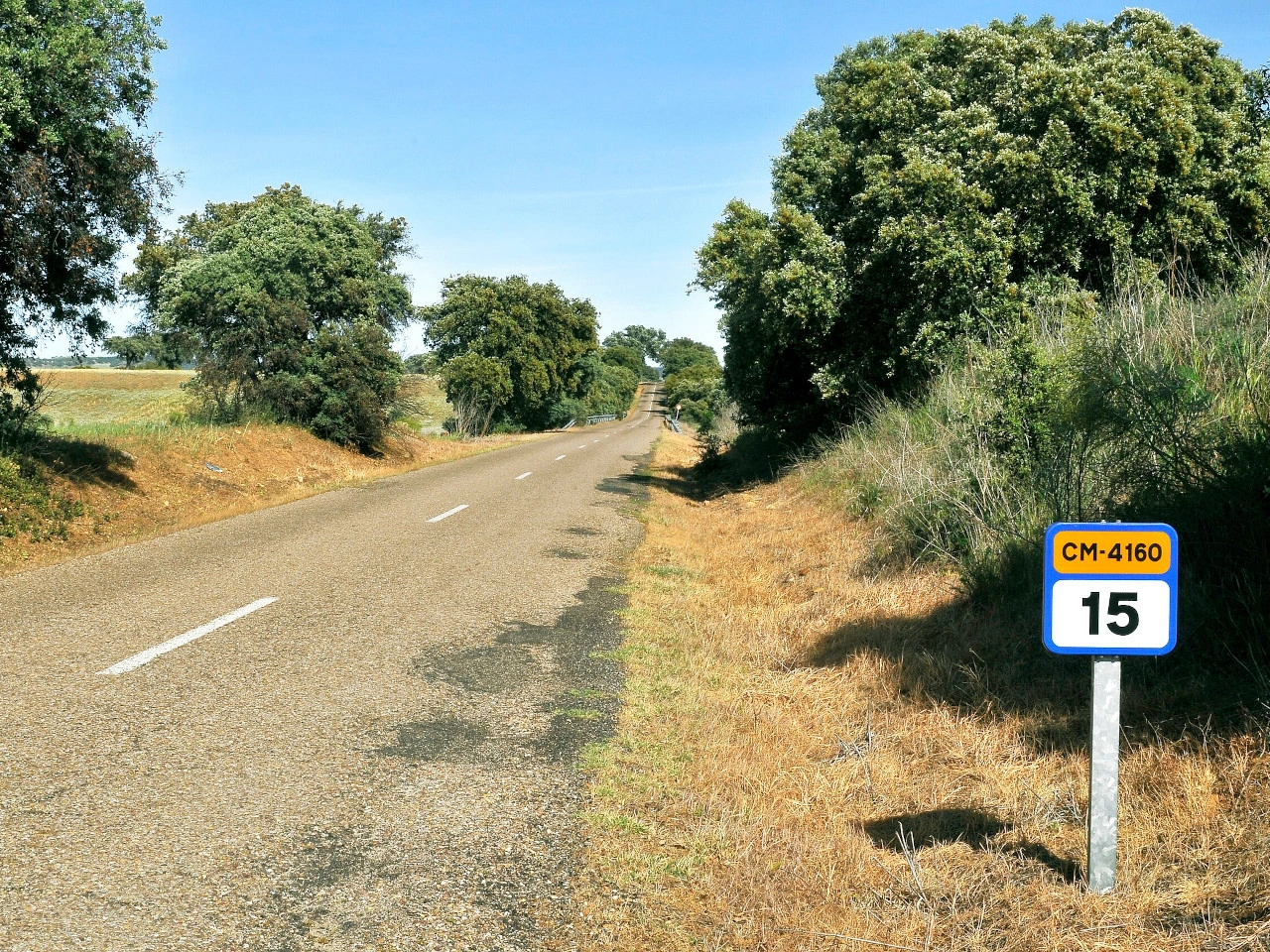
Repère de localisation
What is a road location marker?

A road location marker is a numbered reference point identifying a measured position along a particular road or route.

What is a kilometre marker?

A kilometre marker indicates the number of kilometres measured from an established starting point on the road.

What is a hectometre marker?

A hectometre marker identifies a position at intervals of 100 metres. One kilometre contains ten hectometres.

What does a marker showing 14.7 mean?

It normally identifies a point approximately 14 kilometres and 700 metres from the route’s reference origin.

Is the marker the distance to the next town?

No. It normally measures the position along the road from a fixed reference origin rather than the remaining distance to a destination.

Where does the kilometre measurement begin?

It begins at a reference point chosen for that road, such as the start of the route, a border, an administrative boundary or another officially defined origin.

Does the numbering always increase in the direction of travel?

No. It increases in the officially defined direction of the route. Drivers travelling in the opposite direction may see the values decrease.

How can you recognise a location marker?

It may appear as a numbered roadside post, small sign, plate, marker attached to a barrier or numbers painted beside the carriageway.

Are kilometre markers used in every country?

Many countries use kilometre markers, while countries using imperial measurements may use mile markers. Designs and intervals differ.

Are hectometre markers always placed every 100 metres?

They are intended to represent 100-metre intervals, but their physical placement and permitted tolerances depend on the road authority and local conditions.

What information should you give during an emergency?

Give the road number, marker value, direction of travel and nearest junction or landmark where possible.

Why is the road number important?

The same kilometre value may occur on many different roads. The road number identifies which route the marker belongs to.

Why is the direction of travel important?

Divided roads have separate carriageways. Reporting the direction helps emergency services approach the correct side without making a long diversion.

Can a marker help locate a breakdown?

Yes. Reporting the nearest marker can help breakdown and emergency services identify the affected road section more accurately.

Can it help report debris or another hazard?

Yes. The marker can help road authorities locate an obstruction, damaged barrier, animal, collision or other dangerous situation.

Is a location marker a traffic sign?

Normally not. It is a reference or identification device rather than a regulatory sign.

Does it impose a speed limit?

No. The applicable speed comes from general traffic rules and regulatory speed signs.

Does it change priority?

No. Traffic lights, priority signs and ordinary intersection rules remain applicable.

Does it mark the beginning of a new road rule?

No. Passing a kilometre or hectometre marker does not normally begin or end a traffic regulation.

Can markers be used for road maintenance?

Yes. Road authorities use reference points to locate signs, barriers, bridges, defects, works and other infrastructure precisely.

Can navigation coordinates replace a location marker?

Coordinates can be useful, but a road reference marker may be easier for road operators and emergency services to connect with the correct carriageway and road section.

What if the marker is damaged or missing?

Use the nearest visible marker together with the road number, direction, junctions and other identifiable features.

Should a driver stop simply to read a marker?

No. Do not stop in a live lane or another prohibited location. A passenger may note the marker, or the driver may read it after stopping somewhere safe during an actual emergency.

Can temporary roadworks change the marker values?

Normally not. Temporary traffic routes may move traffic away from the marker’s usual position, but the official road reference system generally remains unchanged.

1 Espagne 2 Autoroute 3 Zone résidentielle 4 Zone 5 Limitation de vitesse 6 Piste cyclable 7 Avertissement piétons 8 Tunnel 9 Route à péage 10 Quai 11 Pente 12 Impasse 13 Panneau Stop 14 Cédez le passage 15 Rond-point 16 Rétrécissement de chaussée 17 Passage pour piétons 18 Passage à niveau 19 Zone scolaire 20 Dépassement 21 Traversée d’animaux 22 Chaussée glissante 23 Chutes de pierres 24 Virage 25 Travaux routiers 26 Limitation de hauteur 27 Barrières sélectives 28 Feux de circulation 29 Avertissement de feux de circulation 30 Feux pour piétons 31 Permis de conduire 32 Repère de localisation 33 Balises de compte à rebours 34 Miroir routier 35 Frontière internationale 36 Passage souterrain pour piétons 37 Itinéraire cyclable 38 Stationnement 39 Stationnement interdit 40 Stationnement pour personnes handicapées 41 Marche arrière 42 Permis provisoire 43 Limite d’agglomération 44 Plaque d’immatriculation 45 Station de recharge 46 Dangers 47 Piéton 48 Cycliste 49 Autobus 50 Police 51 Ambulance 52 Norme européenne d’émissions 53 Nid-de-poule 54 Chemin 55 Particules 56 Pollution de l’air 57 Heure de pointe 58 Code de la route 59 Caniveau 60 Débris sur la route 61 Vélo cargo 62 Véhicule forestier 63 Véhicule de chantier 64 Ensemble semi-remorque 65 Trolleybus 66 Speed pedelec 67 Véhicule de livraison 68 Moteur au ralenti 69 Dépanneuse 70 Quatre roues motrices 71 Accès interdit à tous les véhicules 72 Vélo 73 Équipement de moto 74 Tram 75 Voie ferrée 76 Caravane 77 Remorque 78 Attelage 79 Camion de pompiers 80 Sirène 81 Convoi 82 Feux des véhicules d’urgence 83 Machines agricoles 84 Vélo électrique 85 Véhicule électrique 86 Pedelec 87 Quadricycle 88 Voiturette 89 Véhicule tout-terrain 90 Fourgonnette 91 Véhicule de loisirs 92 Scooter 93 Trikke 94 Engin de déplacement personnel 95 Skateboard 96 Segway 97 Trottinette 98 Patins à roulettes 99 Facteur 100 Auto-stoppeur ...