


Traffic lightsItaly
An introduction to the traffic rules and road signs of Italy. Learn about driving, road safety and much more in our illustrated book, with answers to frequently asked questions.
For informational purposes only. Always follow official regulations. Some content and images were created with AI assistance.
 Traffic rules
 Italy
32. Traffic lights
Traffic lights use coloured lights, arrows or symbols to regulate when road users may proceed, must prepare to stop or must remain stopped. Separate signals may apply to particular directions, lanes, pedestrians, cyclists or public-transport vehicles.
A green light permits movement only when the route is clear and the movement is otherwise legal. Road users must still follow priority rules, turning restrictions, lane markings and instructions from authorised traffic controllers.
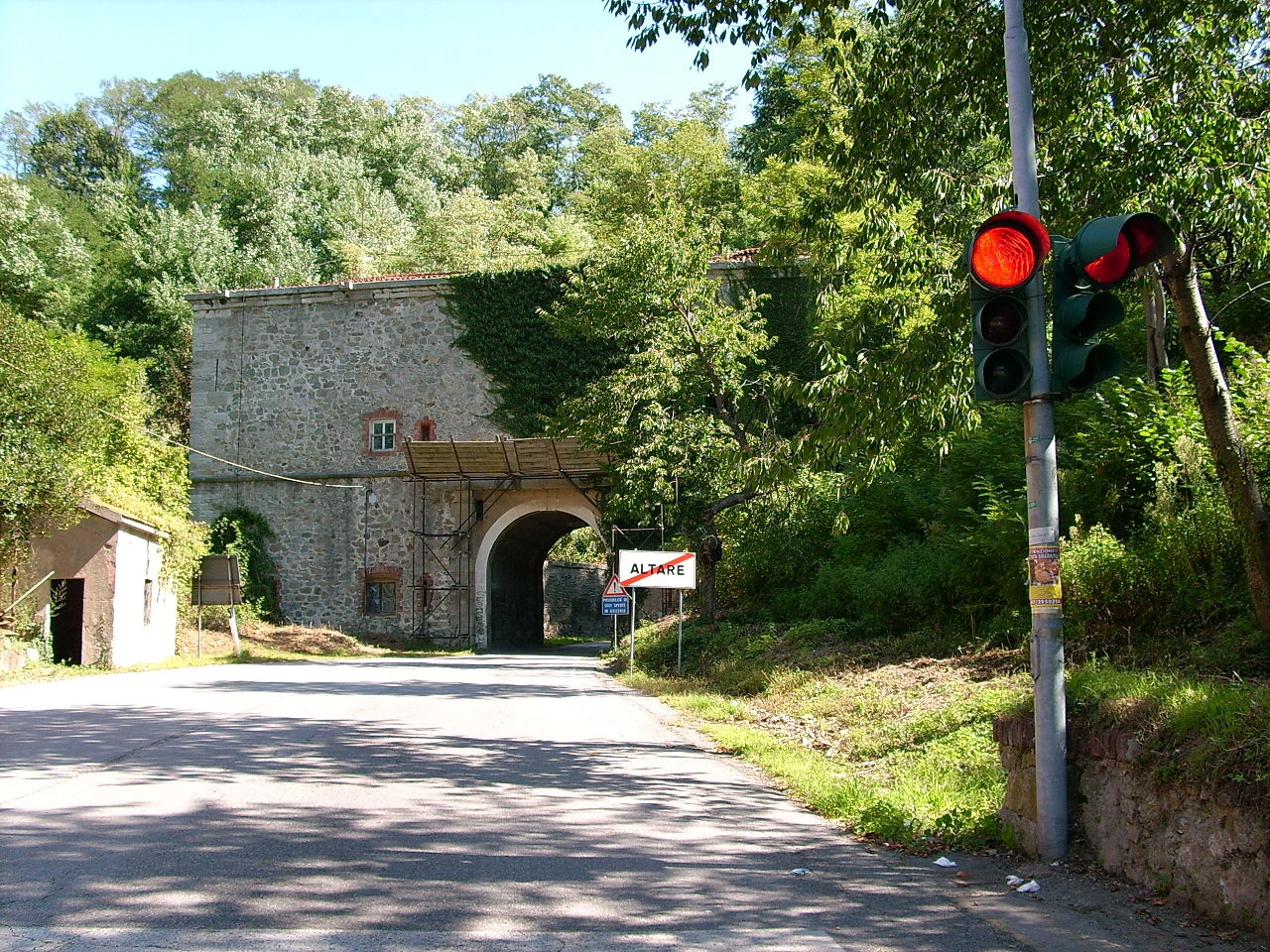
Wikimedia.org • Davide Papalini • CC BY-SA
What must a driver do at red, amber and green signals in Italy?
Red means stop at the applicable line. Amber generally warns that the signal is changing and calls for a stop where it can be made safely; do not accelerate to beat it. Green allows movement only when the way is clear. Observe local arrow, flashing-signal and stop-line rules.
May you turn at a red traffic light in Italy?
A red signal prohibits entering the junction, including to turn, even if the road looks clear. Follow the signal controlling your lane or direction; an applicable green directional signal permits only its indicated movement. Continue to protect pedestrians and other traffic when turning.
Can a green light remove the need to give way to pedestrians in Italy?
No. A green signal is not a guarantee that the junction is empty. Check for people already crossing, vehicles completing a movement and any separate pedestrian, bicycle or turning signals. Do not enter if you cannot clear the junction safely.


