


Emergency vehicleWorldwide
An introduction to the traffic rules and road signs of Worldwide. Learn about driving, road safety and much more in our illustrated book, with answers to frequently asked questions.
For informational purposes only. Always follow official regulations. Some content and images were created with AI assistance.
 Traffic rules
 Worldwide
245. Emergency vehicle
An emergency vehicle is a vehicle used by police, fire, ambulance, rescue or another authorised emergency service to respond to urgent incidents, accidents, fires, medical emergencies or threats to public safety. Emergency vehicles are commonly equipped with distinctive warning lights, sirens or other warning devices.
During an urgent response, an emergency vehicle may receive priority over other traffic and may be permitted to depart from certain ordinary traffic rules. Other road users must follow the local rules, make sufficient space when required and avoid obstructing the emergency vehicle.
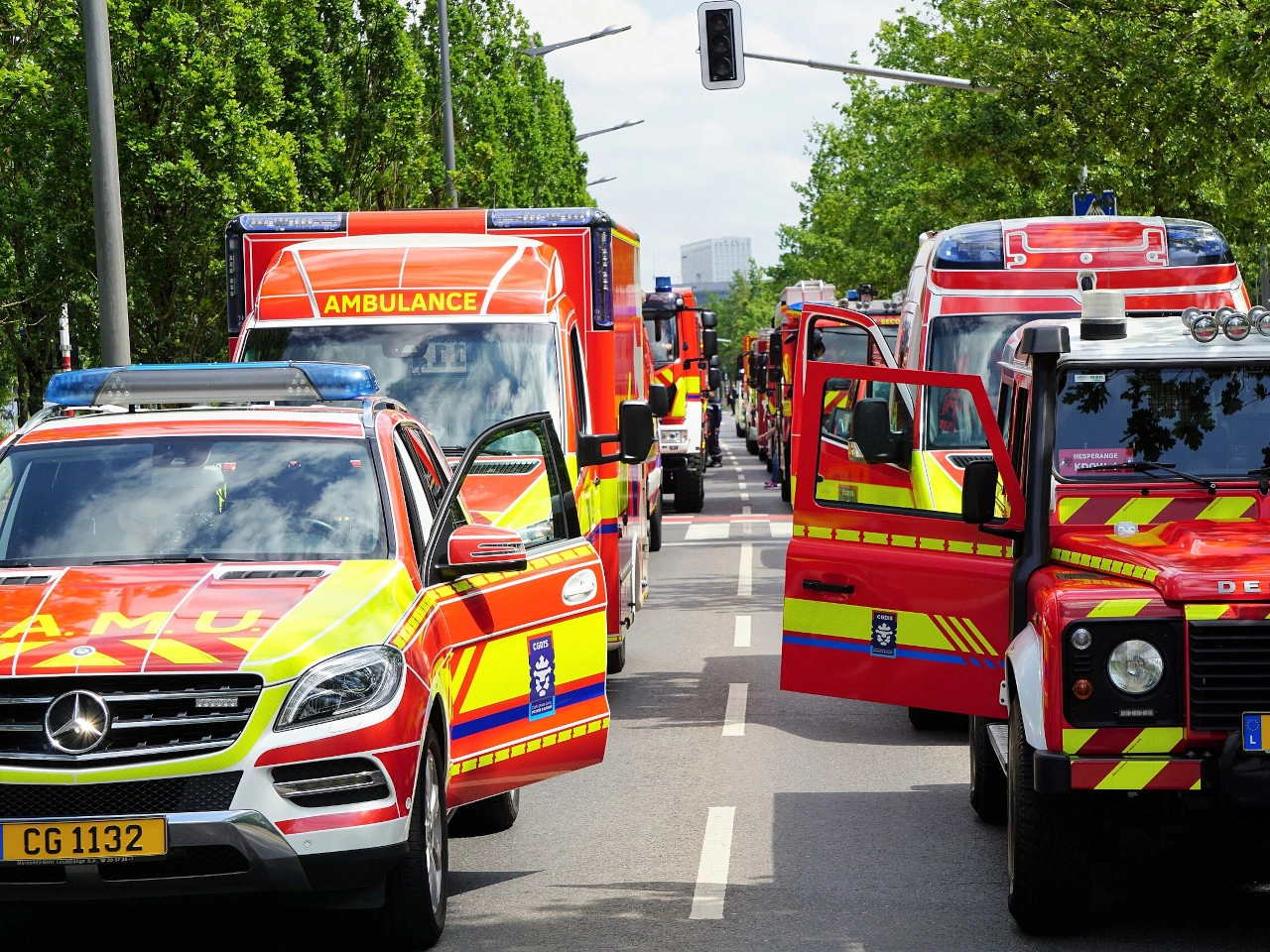
Wikimedia.org • GilPe • CC BY-SA
What is an emergency vehicle?
An emergency vehicle is a vehicle used by an authorised service to respond to emergencies such as collisions, fires, medical incidents or threats to public safety.
What are examples of emergency vehicles?
Common examples include police vehicles, ambulances, fire trucks and specialised rescue vehicles. Other authorised services may also operate emergency vehicles.
How can you recognise an emergency vehicle?
Emergency vehicles may use distinctive markings, flashing warning lights and sirens. Colours and warning systems vary between countries.
What should you do when an emergency vehicle approaches?
Make sufficient space and allow it to pass when required by local law. Slow down or stop where necessary, but avoid sudden or dangerous manoeuvres.
Do emergency vehicles always have priority?
No. Special priority normally depends on the vehicle's legal status, the nature of its mission and the warning signals being used. The exact conditions vary between countries.
Can an emergency vehicle pass a red traffic light?
Emergency vehicles may be allowed to pass a red light during an urgent mission under specific legal conditions. The driver must still take the precautions required by local law.
Can an emergency vehicle exceed the speed limit?
Many countries allow authorised emergency vehicles to depart from certain speed restrictions during an urgent response. Such exemptions apply only under the conditions established by local law.
Do emergency vehicles always use their sirens?
No. Whether a siren must or may be used depends on the urgency of the mission and local traffic law. An emergency-service vehicle may therefore sometimes travel with warning lights but without a siren.
What is an emergency corridor?
An emergency corridor is a clear passage formed between traffic lanes during congestion so emergency and other authorised vehicles can reach an incident.
Can you follow an emergency vehicle through traffic?
You should not use the path created for an emergency vehicle to bypass congestion. Maintain a safe distance and continue to follow the traffic rules that apply to you.
What should you do near a stationary emergency vehicle?
Reduce speed where necessary, leave sufficient space and remain alert. Emergency personnel, patients, equipment or other hazards may be present on or beside the roadway.
Can emergency vehicles use roads closed to ordinary traffic?
In some countries, authorised emergency vehicles may use restricted roads or areas when the nature of their mission requires it. The applicable exemptions depend on local law.


