


Separated pathWorldwide
An introduction to the traffic rules and road signs of Worldwide. Learn about driving, road safety and much more in our illustrated book, with answers to frequently asked questions.
For informational purposes only. Always follow official regulations. Some content and images were created with AI assistance.
 Traffic rules
 Worldwide
13. Separated path
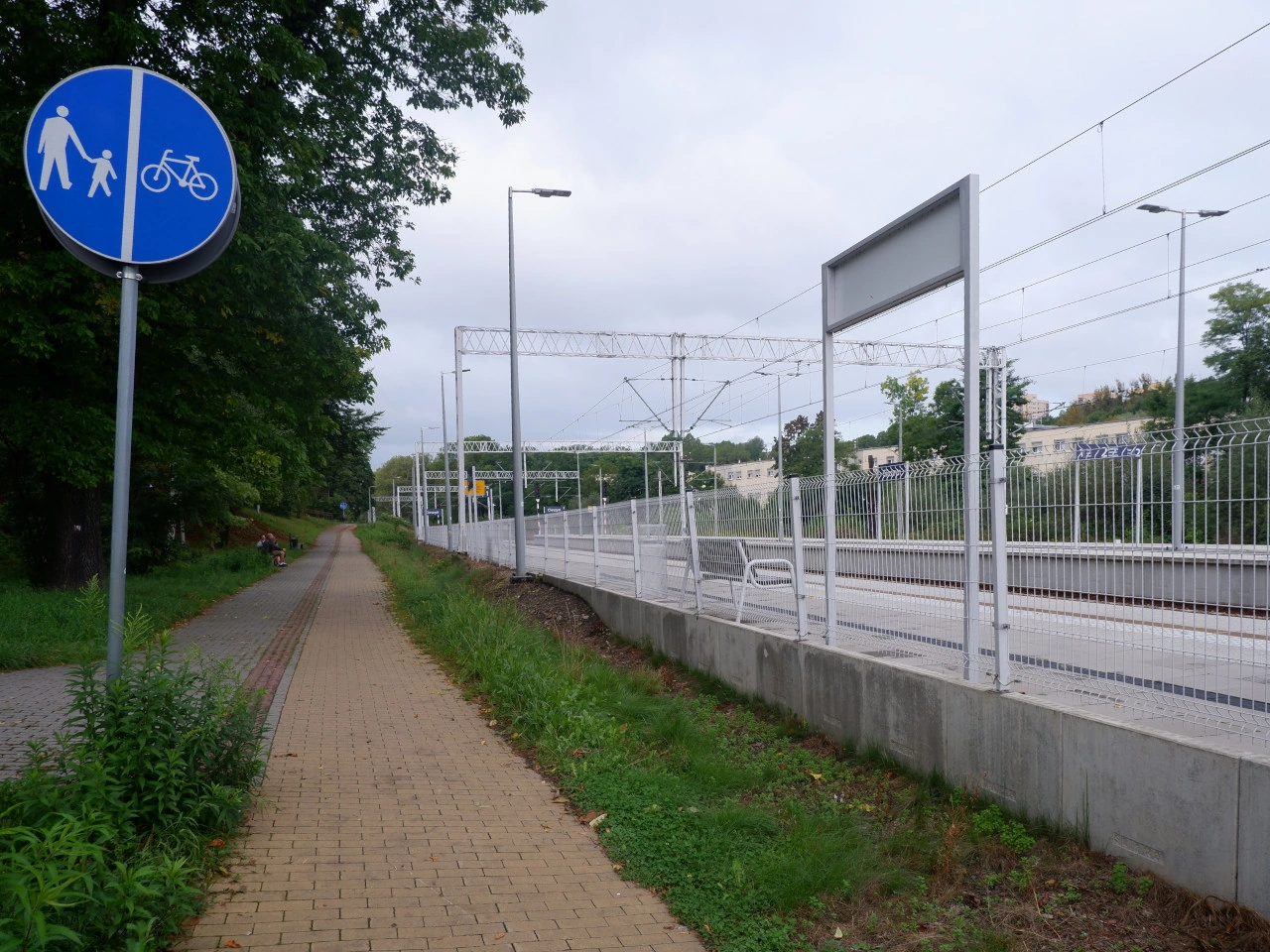
A separated path is a path or part of a road where different categories of road users, typically pedestrians and cyclists, are assigned separate sections of the same overall route. The sections may be distinguished by road markings, different paving materials, a kerb or another physical separation.
Users should remain within the part of the path intended for them and take particular care where the sections cross, merge or connect with roads. The permitted users, priority rules and any speed restrictions depend on the local traffic signs and regulations.
🔗 Sources
Image credit: Wikimedia.org • Kamil Czaiński • CC BY-SA
What is a separated path?
A separated path is a route where pedestrians, cyclists or other permitted users have clearly designated sections rather than sharing the same space.
🔗 gesetze-im-internet.de • Germany, StVO Annex 2, signs 239–241
🔗 gesetze-im-internet.de • Germany, StVO section 2(4)–(5), cycle tracks and footway exceptions
How are the different parts of a separated path identified?
The sections may be separated by a painted line, different paving materials, a kerb, verge or another physical division. Traffic signs may also show which side each category should use.
🔗 gesetze-im-internet.de • Germany, StVO Annex 2, signs 239–241
🔗 gesetze-im-internet.de • Germany, StVO section 2(4)–(5), cycle tracks and footway exceptions
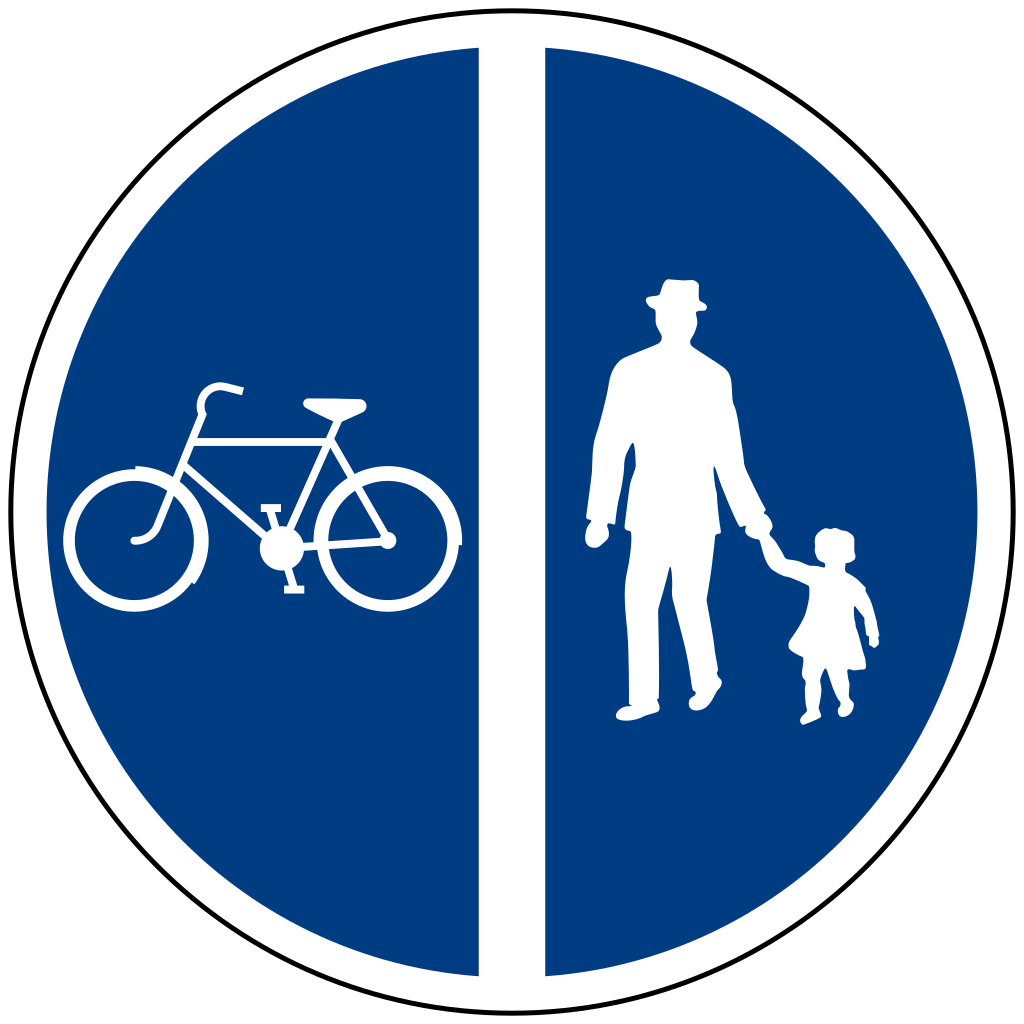 Mandatory divided pedestrian and cycle path.
Which side should pedestrians use?
Pedestrians should use the section indicated for pedestrians by the signs, symbols, markings or layout of the path.
🔗 gesetze-im-internet.de • Germany, StVO Annex 2, signs 239–241
🔗 gesetze-im-internet.de • Germany, StVO section 2(4)–(5), cycle tracks and footway exceptions


