KaianlageJapan

Lerne Verkehrsregeln mit klaren Erklärungen und visuellen Beispielen in unserem illustrierten Buch – einfach, verständlich und anschaulich.


13. Kaianlage

Eine Kaianlage ist ein befestigter Bereich an einem Fluss, Kanal, Hafen oder anderen Gewässer, der typischerweise zum Be- und Entladen, Festmachen von Schiffen oder als Zugang zum Wasser genutzt wird. Eine Straße kann entlang des Wassers verlaufen oder direkt auf die Kaikante zuführen.

Im Straßenverkehr warnt ein entsprechendes Zeichen davor, dass ein Fahrzeug von der Straße abkommen und ins Wasser geraten könnte. Fahrer sollten die Geschwindigkeit verringern, den Straßenverlauf aufmerksam beobachten und ausreichend Abstand zur Wasserkante halten.
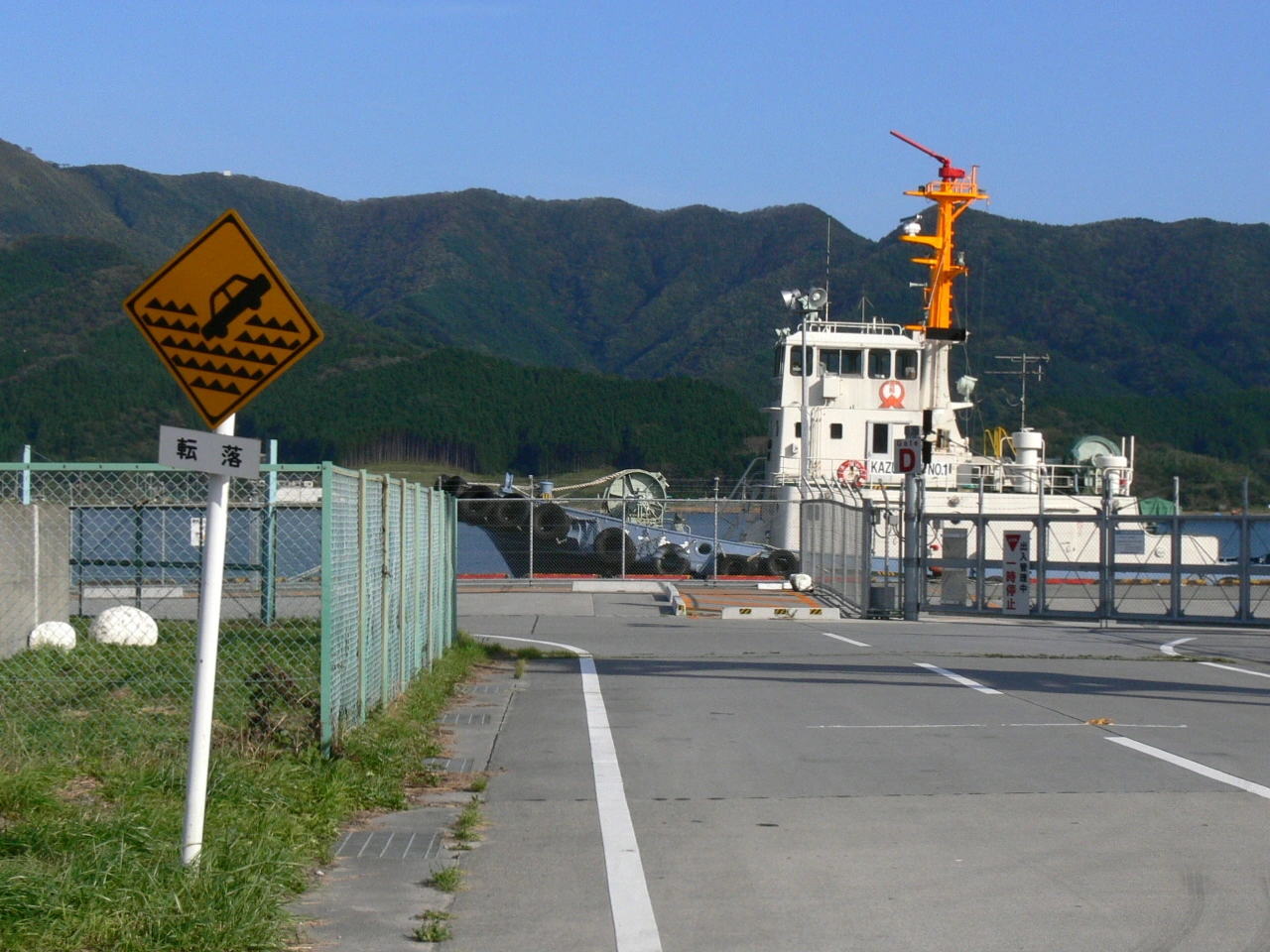
Kaianlage
What is a quay?

A quay is a constructed waterside platform or road area beside a river, canal, harbour or other navigable water. It may be used by ships, vehicles, workers, pedestrians and loading equipment.

What does a quay warning sign mean?

It warns that the road approaches or leads onto a quay, riverbank or waterside edge where a vehicle could enter the water.

Does the sign mean that the road ends at the water?

It may. The road may lead directly towards the water, turn sharply near it or continue alongside an insufficiently protected edge. Drivers must observe the actual road layout.

How should you approach a quay?

Reduce speed early, remain in full control and watch for the road edge, barriers, bends, workers, pedestrians and moving equipment. Avoid sudden steering or braking close to the water.

Is there a universal speed limit near a quay?

No. Drivers must follow the posted or general speed limit and reduce their speed further when the road is narrow, wet, poorly lit or close to an unprotected edge.

Does a quay warning sign impose a prohibition?

No. It normally warns of danger rather than prohibiting access. Additional signs, gates or local rules may restrict particular vehicles or activities.

Does the sign change priority?

No. Drivers must continue to follow traffic lights, priority signs and the normal priority rules.

May you stop or park on a quay?

This depends on local signs and regulations. Do not stop or park where the vehicle could create danger, obstruct traffic, interfere with loading operations or block emergency access.

Should you park close to the water’s edge?

Only in a clearly authorised and suitable place. Leave sufficient space from the edge, apply the parking brake securely and follow any wheel-positioning or local parking instructions.

May you overtake near a quay?

Overtaking may be legal, but it should be avoided when the road is narrow, visibility is limited or the manoeuvre would bring the vehicle close to the waterside edge.

Why can quay surfaces be slippery?

Water, algae, mud, ice, fuel, oil or material from loading operations may reduce grip. Painted markings, rails and metal surfaces may also become especially slippery when wet.

What other hazards may be present on a quay?

Drivers may encounter pedestrians, cyclists, dock workers, cranes, forklifts, railway tracks, mooring equipment, reversing trucks and unsecured edges.

Why should large vehicles take extra care?

Large vehicles need more space to turn and may have limited visibility close to the cab or trailer. Soft edges, narrow roads and nearby equipment can make manoeuvring more difficult.

May pedestrians walk on a quay?

Pedestrian access depends on local rules. Where pedestrians are permitted, drivers should expect them to move between vehicles, vessels, buildings and loading areas.

Should you reverse near a quay edge?

Reverse only when necessary and when the route is clearly visible. Use a guide where available and never rely solely on mirrors or cameras when the vehicle could approach the water.

What should you do in darkness or poor visibility?

Reduce speed, use the required lights and look carefully for reflectors, barriers, road edges and people. Water and dark surroundings can make the boundary of the road difficult to recognise.

What should you do if a barrier is open or missing?

Do not assume that the route is safe. Slow down, identify the road boundary and follow signs or instructions from authorised personnel.

What should you do if a vehicle enters the water?

Leave the vehicle as quickly and safely as possible, help passengers where possible and contact the emergency services. Do not re-enter the water or vehicle to recover belongings.

1 Japan 2 Autobahn 3 Schnellstraße 4 Zone 5 Geschwindigkeitsbegrenzung 6 Mindestgeschwindigkeit 7 Gehweg 8 Radweg 9 Gemeinsamer Geh- und Radweg 10 Tunnel 11 Mautstraße 12 Einbahnverkehr 13 Kaianlage 14 Steigung oder Gefälle 15 Busspur 16 Bushaltestelle 17 Stoppschild 18 Vorfahrt gewähren 19 Kreisverkehr 20 Fahrbahnverengung 21 Fußgängerüberweg 22 Bahnübergang 23 Vorgeschriebene Fahrtrichtung 24 Abbiegeverbot 25 Schulbereich 26 Überholen 27 Wild- oder Viehwechsel 28 Rutschige Fahrbahn 29 Steinschlag 30 Kurve 31 Falschfahrt 32 Straßenarbeiten 33 Seitenwind 34 Höhenbegrenzung 35 Breitenbegrenzung 36 Gewichtsbeschränkung 37 Geschwindigkeitskontrolle 38 Selektive Sperren 39 Wegweiser an einer Kreuzung 40 Ampeln 41 Warnung vor Ampeln 42 Fußgängerampeln 43 Fahrbahnmarkierungen 44 Führerschein 45 Kilometrierungsmarkierung 46 Verkehrsspiegel 47 Notruftelefon 48 Radroute 49 Parken 50 Parkverbot 51 Halteverbot 52 Behindertenparkplatz 53 Verkehrsmanagement 54 Rückwärtsfahren 55 Wenden 56 Ungeregelte Kreuzung 57 Fahrbahnschäden 58 Vorläufiger Führerschein 59 Notausgang 60 Ortsgrenze 61 Hupe 62 Kennzeichen 63 Ladestation 64 Allgemeine Gefahr 65 Fußgänger 66 Radfahrer 67 Moped 68 Motorrad 69 Pkw 70 Lkw 71 Bus 72 Polizei 73 Krankenwagen 74 Schlagloch 75 Weg 76 Feinstaub 77 Luftverschmutzung 78 Hauptverkehrszeit 79 Straßenverkehrsordnung 80 Gegenverkehr 81 Straßenrinne 82 Lastenfahrrad 83 Forstfahrzeug 84 Baufahrzeug 85 Sattelzug 86 Oberleitungsbus 87 Speed-Pedelec 88 Lieferfahrzeug 89 Leerlauf 90 Abschleppwagen 91 Allradantrieb 92 Verbot für Fahrzeuge 93 Fahrrad 94 Motorradausrüstung 95 Straßenbahn 96 Gleis 97 Wohnwagen 98 Anhänger 99 Anhängerkupplung 100 Feuerwehrfahrzeug ...