


CrosswindGermany
An introduction to the traffic rules and road signs of Germany. Learn about driving, road safety and much more in our illustrated book, with answers to frequently asked questions.
For informational purposes only. Always follow official regulations. Some content and images were created with AI assistance.
 Traffic rules
 Germany
43. Crosswind
Crosswind is wind blowing across the direction of travel and can push a vehicle sideways or affect its stability. Strong or sudden gusts are especially dangerous for motorcycles, bicycles, caravans, trailers and high-sided vehicles. Drivers should reduce speed, keep a firm but relaxed grip on the steering wheel and allow extra space from other road users. Particular care is needed on bridges, exposed roads and when passing large vehicles or leaving sheltered areas, where a sudden change in wind force can move the vehicle unexpectedly.
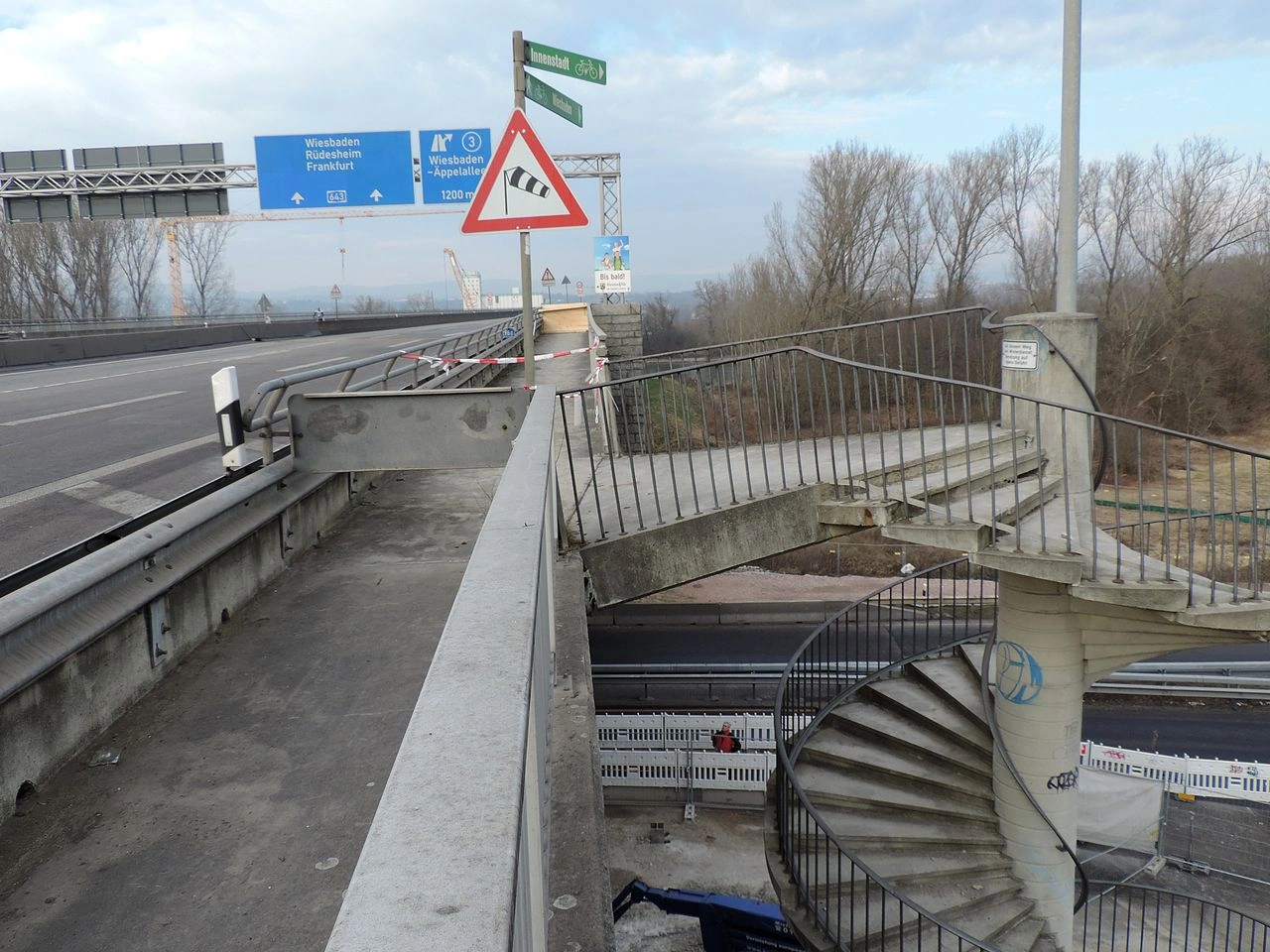
Wikimedia.org • Atirador • CC BY-SA
What is a crosswind?
A crosswind is wind that blows across the direction in which a vehicle is travelling and can push it sideways.
Why are crosswinds dangerous when driving?
Strong crosswinds and sudden gusts can affect steering and vehicle stability, particularly at higher speeds or on exposed roads.
Which vehicles are most affected by crosswinds?
Motorcycles, bicycles, caravans, trailers and high-sided vehicles are particularly vulnerable because wind can have a greater effect on their balance or large side surfaces.
How should you drive in strong crosswinds?
Reduce speed, keep a firm but relaxed grip on the steering wheel and allow extra space from other road users. Be prepared to correct the vehicle smoothly when gusts change direction or strength.
Where are crosswinds most dangerous?
Crosswinds can be particularly strong on bridges, exposed roads, open countryside and coastal routes, and when leaving tunnels, cuttings or other sheltered areas.
Why can passing a large vehicle be dangerous in strong wind?
A large vehicle can temporarily shelter you from the wind. When you pass it or leave its shelter, the crosswind can suddenly affect your vehicle again, requiring a smooth steering correction.


