EstacionamientoBruselas

Aprende normas de tráfico con explicaciones claras y ejemplos visuales en nuestro libro ilustrado, diseñado para que estudiar sea sencillo y ameno.


50. Estacionamiento

Estacionar significa dejar un vehículo inmóvil en un lugar durante un periodo de tiempo, en lugar de detenerlo solo brevemente por las condiciones del tráfico u otra necesidad inmediata. Muchos países distinguen el estacionamiento de una parada corta para recoger o dejar pasajeros o para cargar o descargar mercancías, aunque la definición legal exacta varía.

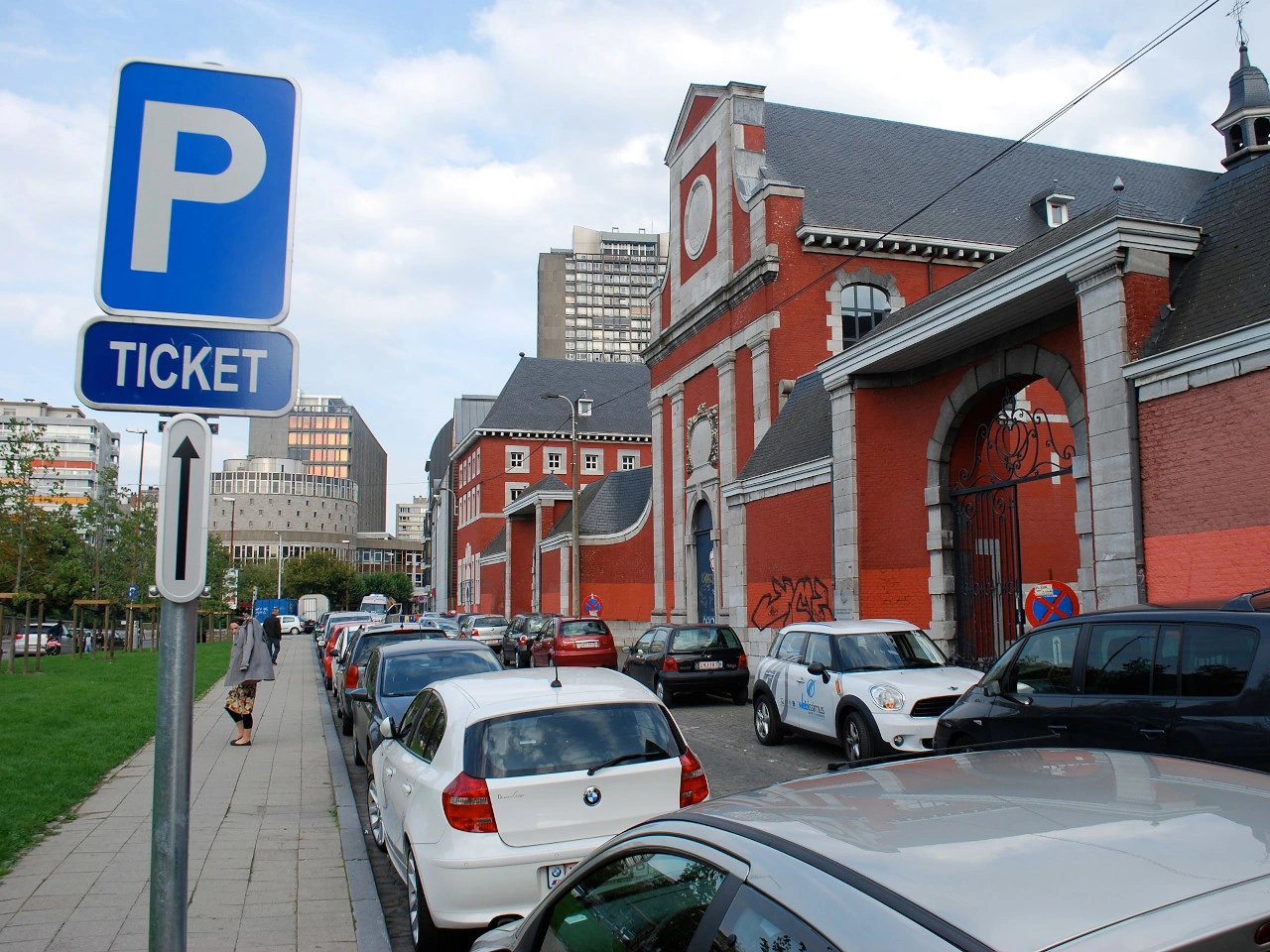
El estacionamiento puede estar permitido, restringido, reservado, limitado en el tiempo o prohibido mediante señales de tráfico, marcas viales, zonas de estacionamiento y normas locales. Los conductores deben estacionar sin crear peligro ni obstrucción innecesaria y cumplir las condiciones relativas a pago, permisos, categorías de vehículos o duración máxima.
Estacionamiento
When is a vehicle considered parked in Belgium?

A vehicle is considered parked when it remains stationary for longer than necessary for passengers to get in or out or for goods to be loaded or unloaded. Refuelling a vehicle or charging the battery of an electric or hybrid vehicle is also considered parking.

What is the difference between stopping and parking in Belgium?

A vehicle is considered stopped when it remains stationary only for the time necessary for passengers to get in or out or for goods to be loaded or unloaded. If it remains there longer, it is considered parked. Being forced to stop by traffic conditions is treated separately from voluntary stopping or parking.

On which side of the road should you park in Belgium?

A parked vehicle must normally be positioned on the right-hand side relative to its direction of travel. On a one-way carriageway, it may be positioned on either side. A vehicle parked wholly or partly on the carriageway must normally be placed as far as possible from the centre, parallel with the edge and in a single line.

May you park on the pavement in Belgium?

As a general rule, ordinary motor vehicles may not park on a pavement. Parking on raised verges within built-up areas is also prohibited unless local regulations permit it. Where a usable verge must be used by pedestrians, a passable strip of at least 1.5 metres must normally remain available.

How close may you park to a pedestrian or cyclist crossing in Belgium?

You may not stop or park on a pedestrian or cyclist crossing or on the carriageway within 5 metres before the crossing. This rule helps preserve visibility between approaching traffic and people using the crossing.

How close may you park to an intersection in Belgium?

Stopping and parking are generally prohibited within 5 metres of the extension of the nearest edge of the transverse carriageway at an intersection, unless local regulations provide otherwise.

May you park near a bus or tram stop in Belgium?

Parking is prohibited within 15 metres on either side of a sign indicating a bus, trolleybus or tram stop. This is a parking prohibition, so the rules concerning a brief legal stop must be distinguished from leaving the vehicle parked.

How much road space must remain when parking in Belgium?

You may not park where doing so would leave less than 3 metres of free passage on the carriageway. Parking is also prohibited where your vehicle would prevent another parked vehicle from being entered or moved or would obstruct access to parking places located outside the carriageway.

How does a Belgian blue parking zone work?

Where the parking-disc rules apply, the driver must place an approved parking disc visibly in the vehicle and set the arrow to the mark immediately following the arrival time. Unless the signs specify different conditions, the system applies from 09:00 to 18:00 on working days and allows a maximum parking period of two hours.

How does paid parking work in Belgium?

At parking metres or ticket machines, drivers must comply with the conditions displayed at the location. Other authorised payment methods may also be provided. Where paid parking applies, the local signs and payment system determine the applicable period, price and maximum parking duration.

May you park in a space reserved for people with disabilities in Belgium?

Only vehicles used by persons entitled to the recognised parking card for people with disabilities may use spaces specifically reserved for them. The card or recognised equivalent must be displayed as required when the vehicle is parked there.

May you park in front of a driveway in Belgium?

Parking in front of an entrance or driveway to a property is prohibited. An exception applies to a vehicle whose registration number is legibly displayed on that entrance, allowing the vehicle associated with the property to park there.

1 Bruselas 2 Autopista 3 Vía rápida 4 Zona residencial 5 Zona urbana 6 Zona 7 Límite de velocidad 8 Carril bici 9 Calle ciclista 10 Zona peatonal 11 Resalto 12 Aduana 13 Sentido único 14 Muelle 15 Pendiente 16 Carril bus 17 Calle sin salida 18 Señal de STOP 19 Ceda el paso 20 Glorieta 21 Vía con prioridad 22 Estrechamiento de calzada 23 Prioridad sobre el tráfico en sentido contrario 24 Ceda el paso al tráfico en sentido contrario 25 Paso de peatones 26 Paso a nivel 27 Dirección obligatoria 28 Prohibición de giro 29 Zona escolar 30 Cruce de animales 31 Desprendimiento de rocas 32 Curva 33 Panel direccional 34 Circulación en sentido contrario 35 Obras 36 Límite de altura 37 Límite de anchura 38 Límite de peso 39 Señal de control de velocidad 40 Barreras selectivas 41 Señal de dirección en intersección 42 Prioridad en la próxima intersección 43 Semáforos 44 Semáforos peatonales 45 Permiso de conducir 46 Marcador de ubicación 47 Espejo de tráfico 48 Frontera internacional 49 Ruta ciclista 50 Estacionamiento 51 Prohibido estacionar 52 Kiss and Ride 53 Parquímetro 54 Gestión del tráfico 55 Marcha atrás 56 Intersección sin regulación 57 Estado de la calzada 58 Circunvalación 59 Autopista ciclista 60 Matrícula 61 Estación de carga 62 Peligros 63 Giro con semáforo rojo 64 Documento de identidad 65 Riesgo de incendio 66 Peatón 67 Ciclomotor 68 Turismo 69 Camión 70 Autobús 71 Policía 72 Ambulancia 73 Semáforos para tranvías 74 Norma europea de emisiones 75 Bache 76 Plaza 77 Camino 78 Partículas 79 Contaminación del aire 80 Hora punta 81 Código de circulación 82 Canaleta de la calle 83 Bicicleta de carga 84 Vehículo forestal 85 Vehículo de construcción 86 Camión articulado 87 Trolebús 88 Speed pedelec 89 Vehículo de reparto 90 Motor al ralentí 91 Grúa 92 Tracción a las cuatro ruedas 93 Prohibido el paso de vehículos 94 Bicicleta 95 Equipamiento de motocicleta 96 Automotor ferroviario 97 Vía férrea 98 Transporte público 99 Caravana 100 Remolque ...