


Limitation de poidsJapon
 Règles de circulation
 Japon
Japon
36. Limitation de poids
Une limitation de poids interdit l’accès ou le passage aux véhicules ou ensembles de véhicules dont la masse dépasse la valeur indiquée sur une section de route, un pont, un tunnel ou un autre ouvrage. Selon la législation locale, la restriction peut concerner la masse réelle en charge du véhicule, sa masse maximale autorisée ou la charge sur un essieu particulier.
Les conducteurs doivent savoir à quel type de masse le panneau fait référence et inclure, lorsque cela est requis, le véhicule, les passagers, le chargement et toute remorque. Un véhicule dépassant la limite doit emprunter un autre itinéraire approprié.
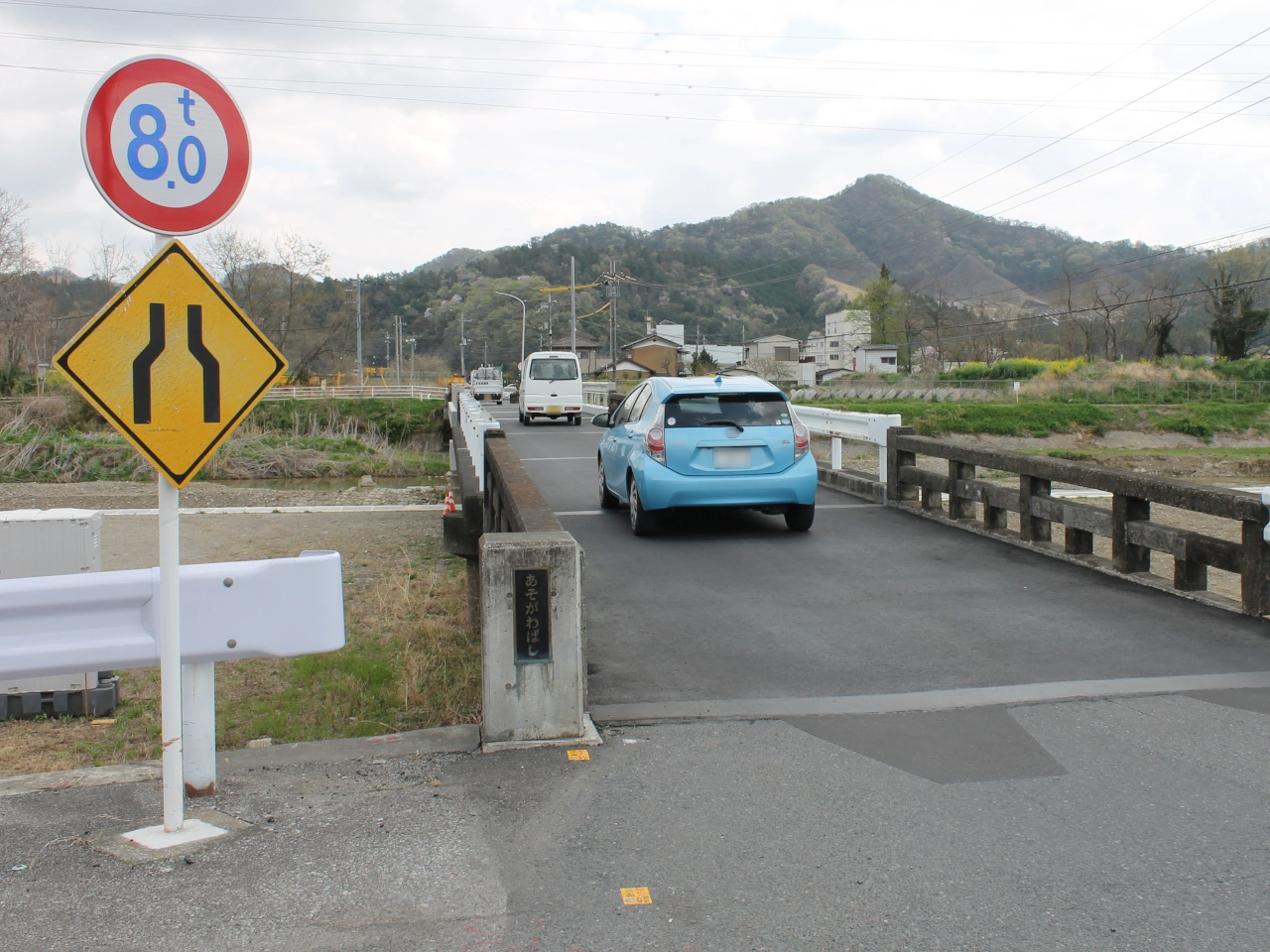
What does a weight-limit sign mean?
It prohibits vehicles or vehicle combinations whose relevant mass exceeds the value displayed on the sign.
How can you recognise a weight-limit sign?
It is commonly a circular regulatory sign showing a mass in tonnes, kilograms or another local unit.
Is a weight-limit sign a warning or a prohibition?
It is normally a prohibition. A vehicle exceeding the displayed limit may not continue beyond the sign.
What is actual loaded mass?
Actual loaded mass is the weight of the vehicle as it is currently travelling, including the vehicle itself, its load, driver, passengers and other relevant equipment.
What is maximum authorised mass?
Maximum authorised mass is the highest total mass at which the vehicle is legally approved to operate. It is normally recorded in the vehicle documents.
Is actual mass the same as maximum authorised mass?
No. A lightly loaded vehicle may have an actual mass below its maximum authorised mass. A restriction may legally refer to either measurement, depending on the sign and local law.
Does the load count towards the weight limit?
Yes. Cargo, passengers, fuel, equipment and other carried items may all contribute to the vehicle’s actual loaded mass.
Does the driver’s weight count?
Where the restriction concerns actual loaded mass, the driver and other occupants are normally included.
Does a trailer count?
This depends on the wording of the restriction. It may apply to each vehicle separately or to the combined mass of the complete vehicle combination.
What is an axle-weight limit?
An axle-weight limit restricts the amount of mass carried by one axle or axle group rather than the total mass of the vehicle.
Why can axle load matter when total mass is legal?
A vehicle may comply with the total weight limit while too much of its load is concentrated over one axle, creating excessive stress on the road or bridge.
Where are weight limits commonly used?
They are often used at bridges, weak roads, historic centres, tunnels, temporary structures and roads unsuitable for heavy traffic.
Does the sign show the maximum capacity of a bridge?
Not necessarily. The displayed legal limit may include engineering and safety margins and should not be interpreted as the structure’s exact failure point.
May a vehicle exactly equal to the displayed weight pass?
A sign normally prohibits vehicles exceeding the displayed value. The driver must still be certain that the relevant mass does not exceed it.
How can a driver determine the actual mass?
The most reliable method is to use an authorised or suitable weighbridge. Vehicle documents alone normally show approved limits rather than the vehicle’s current loaded mass.
Can the mass be estimated from the cargo weight?
An estimate may help with planning, but it must include the vehicle, fuel, occupants, equipment, load and trailer. A weighbridge is preferable when the remaining margin is small.
Can moving a load change the total mass?
No. Moving cargo within the vehicle does not change its total mass, but it can change the load carried by each axle.
Can unloading part of the cargo make the vehicle legal?
Yes, when done lawfully and safely. The vehicle may continue only after its relevant mass complies and the remaining load is properly secured.
Can a temporary weight limit apply?
Yes. Temporary restrictions may protect a damaged bridge, weakened road, roadworks structure or road affected by flooding or thawing.
Can different lanes have different weight limits?
Yes. Lane-specific signs may direct heavier vehicles towards a lane or structure designed to carry them.
Can a weight restriction be announced in advance?
Yes. Advance signs may give the distance to the restriction or indicate a diversion so affected vehicles can choose another route.
Does a weight-limit sign impose a speed limit?
No. The applicable general, zonal or posted speed limit remains in force.
Does the sign change priority?
No. Traffic lights, priority signs and ordinary priority rules remain applicable.
What should you do when your vehicle exceeds the limit?
Do not continue. Stop where safe and follow a signed diversion or another route suitable for the vehicle’s mass.
Should you rely on a navigation system?
No. Navigation information may be incomplete or outdated. Traffic signs and official restrictions always take precedence.
May you reverse away from a restriction?
Only when reversing is lawful and can be completed safely. Use assistance where necessary, particularly with a long or heavy vehicle combination.
What can happen if an overweight vehicle continues?
The vehicle may damage the road or structure and may be stopped, fined, unloaded or prohibited from continuing under local law.


