


Road ragePoland
An introduction to the traffic rules and road signs of Poland. Learn about driving, road safety and much more in our illustrated book, with answers to frequently asked questions.
For informational purposes only. Always follow official regulations. Some content and images were created with AI assistance.
 Traffic rules
 Poland
254. Road rage
Road rage is aggressive, hostile or intimidating behaviour by a road user toward others in traffic. It can include excessive honking, tailgating, shouting, threatening gestures, blocking another vehicle or making deliberately aggressive manoeuvres. Anger can reduce judgement and increase risk-taking, turning a minor traffic conflict into a dangerous situation. Drivers should avoid confrontation, remain calm, keep a safe distance and never retaliate against aggressive behaviour.
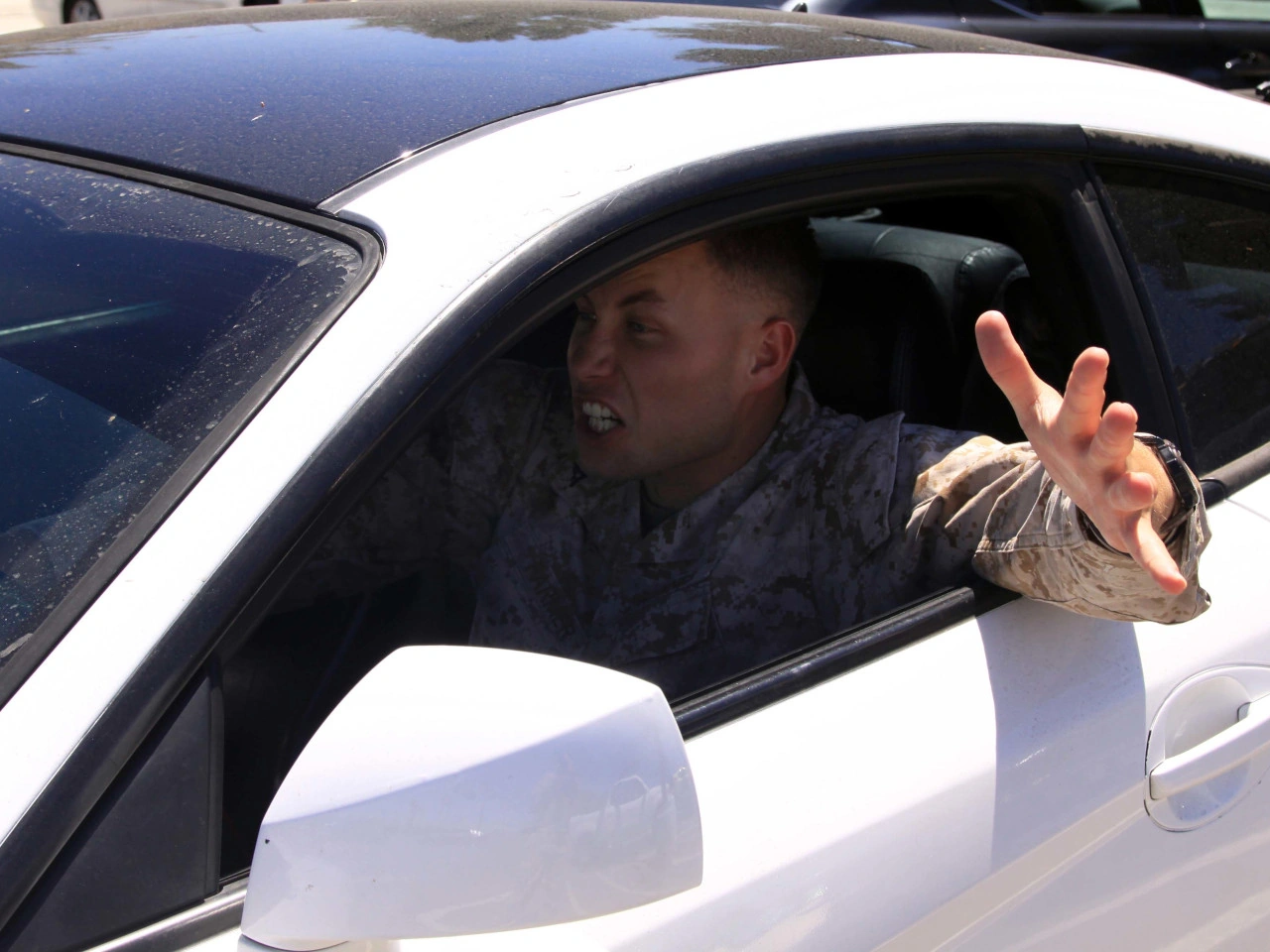
Wikimedia.org • DaleHulm • CC BY-SA
What is road rage?
Road rage is aggressive, hostile or intimidating behaviour directed at other road users, often caused by anger or frustration in traffic.
What are examples of road rage?
Examples can include tailgating, excessive honking, shouting, threatening gestures, deliberately blocking another vehicle or aggressive overtaking and lane changes.
Why is road rage dangerous?
Anger can reduce judgement and encourage impulsive or risky driving, increasing the chance of collisions and escalating conflicts between road users.
What should you do if another driver becomes aggressive?
Stay calm, avoid confrontation, maintain a safe distance and do not retaliate or copy the other driver's behaviour. If necessary, move away from the situation when it is safe to do so.
Should you stop to confront an aggressive driver?
Generally, no. Confrontation can make the situation more dangerous. It is usually safer to remain in your vehicle and create distance from the aggressive road user.
How can you avoid road rage?
Allow enough travel time, accept that other road users make mistakes, avoid competing for road space and focus on reaching your destination safely rather than reacting emotionally.


