


SpeedingPoland
An introduction to the traffic rules and road signs of Poland. Learn about driving, road safety and much more in our illustrated book, with answers to frequently asked questions.
For informational purposes only. Always follow official regulations. Some content and images were created with AI assistance.
 Traffic rules
 Poland
273. Speeding
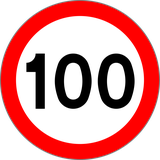
Speeding means driving faster than the maximum speed allowed by traffic law or a posted speed-limit sign. Higher speeds reduce the time available to react, increase stopping distance and make collisions more severe. Drivers must also adapt their speed to traffic, visibility, weather and road conditions, so even driving at the legal speed limit can sometimes be too fast for the situation. Speeding penalties vary between countries and may depend on how far the limit was exceeded and where the offence occurred.
What is speeding?
Speeding means driving faster than the applicable maximum speed limit.
Why is speeding dangerous?
Higher speeds reduce reaction time, increase stopping distance and increase the severity of a collision.
Can you drive too fast without exceeding the speed limit?
Yes. A speed limit is normally a maximum. Drivers may need to drive more slowly because of traffic, weather, visibility or road conditions.
How is speeding detected?
Authorities may use fixed or mobile speed cameras, radar, laser equipment, average-speed checks or police measurements, depending on the country.
Do speeding penalties increase when you drive much faster than the limit?
Usually, yes. Many countries impose higher fines or additional penalties for larger speed-limit violations.
Can speeding lead to losing your driving licence?
Yes. Serious or repeated speeding offences can lead to a driving ban, licence suspension or court proceedings, depending on local law.


