Permiso de conducirJapón

Aprende normas de tráfico con explicaciones claras y ejemplos visuales en nuestro libro ilustrado, diseñado para que estudiar sea sencillo y ameno.


44. Permiso de conducir

Un permiso de conducir es una autorización oficial que permite a una persona conducir determinadas categorías de vehículos en la vía pública. El permiso puede incluir información como la identidad del titular, categorías autorizadas, fechas de validez, restricciones y códigos especiales.

Los requisitos para obtener y conservar un permiso varían entre países y pueden incluir edad mínima, formación, exámenes teóricos y prácticos, requisitos médicos y renovaciones. Los conductores deben utilizar únicamente vehículos incluidos en las categorías y condiciones de su permiso.
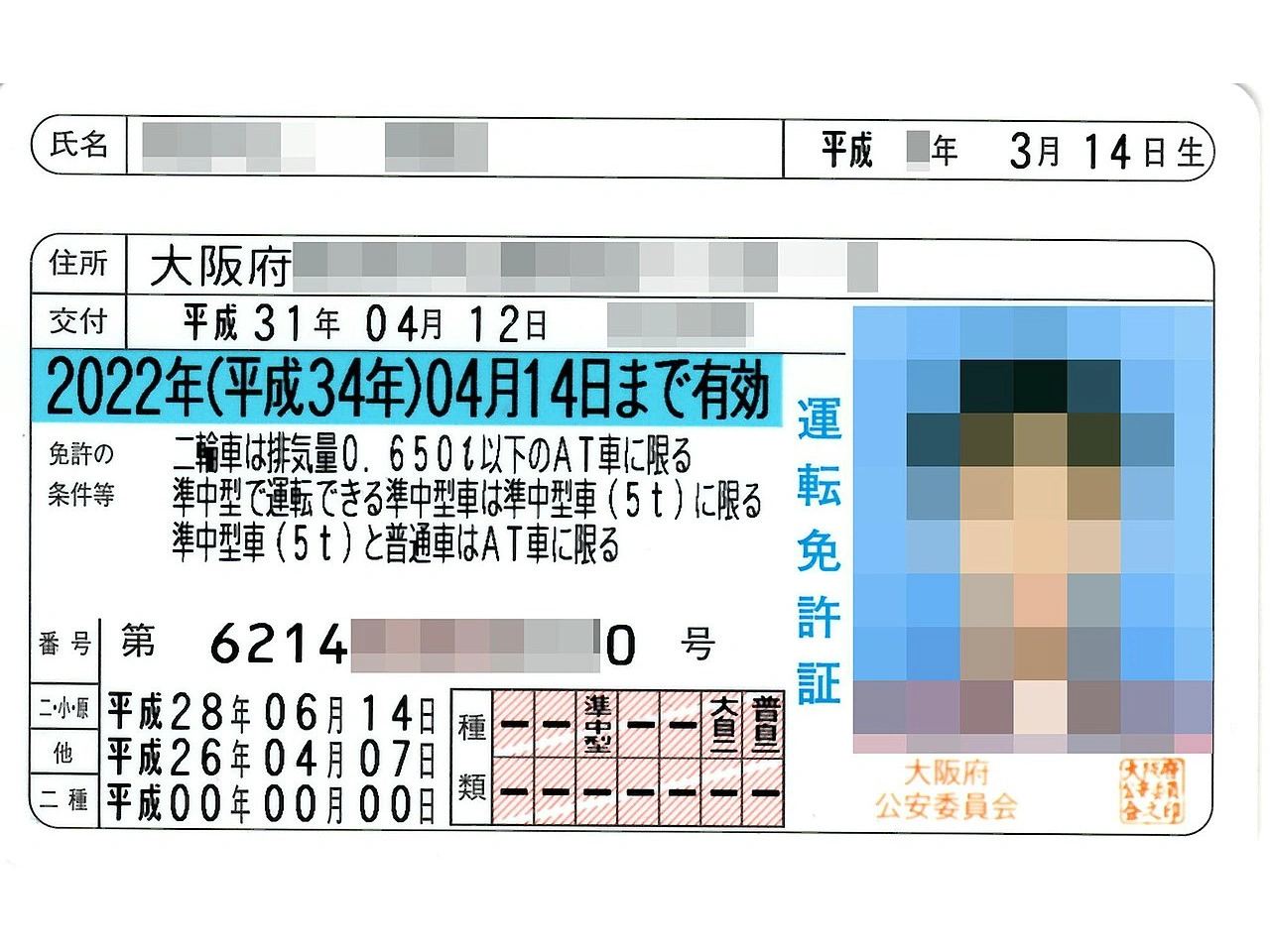
Permiso de conducir
What is a driving licence?

A driving licence is an official authorisation to drive specified categories of motor vehicle.

Is a driving licence the same as a driving permit?

The terms may refer to the same document, depending on the country. Some countries use permit specifically for learners or temporary authorisations.

What is a provisional driving licence?

A provisional or learner licence allows a person to practise driving under specified restrictions before obtaining a full licence.

What is a full driving licence?

A full licence is issued after the holder has completed the required tests or training. Restrictions may still apply because of age, vehicle type, medical fitness or licence codes.

Does one licence allow you to drive every vehicle?

No. Driving licences are divided into categories for motorcycles, cars, buses, trucks, trailers and other vehicles.

What is a licence category?

A licence category identifies the type and size of vehicle the holder is authorised to drive.

Must the licence be valid for the vehicle being driven?

Yes. Holding a licence for one category does not normally authorise driving a vehicle belonging to another category.

Can a licence contain restrictions?

Yes. Codes may restrict the holder to an automatic transmission, corrective lenses, an adapted vehicle or another specified condition.

What is the difference between an automatic and manual licence?

In some countries, passing the test in an automatic vehicle restricts the holder to automatic vehicles until an additional test or procedure is completed.

Does a driving licence expire?

Usually, yes. The document, individual categories or medical authorisation may have expiry dates and require renewal.

May you drive with an expired licence?

No. The licence and the category required for the vehicle must remain valid.

Must you carry your driving licence?

This depends on local law. Many countries require drivers to carry the original licence and present it to an authorised officer when requested.

Is a photograph or copy of the licence sufficient?

Not normally. A photograph, scan or photocopy is not generally a substitute for the original document unless an official digital-licence system is legally recognised.

Does a driving licence prove that you own the vehicle?

No. It proves driving authorisation, not ownership, registration or insurance.

What tests are required to obtain a licence?

Requirements may include a theory test, eyesight test, practical driving test, medical examination or compulsory training.

Is there a universal minimum driving age?

No. Minimum ages differ between countries and vehicle categories.

Can a learner drive without supervision?

Only where the provisional-licence system permits independent driving. Other learners must be accompanied by an approved supervisor or instructor.

Can a learner drive in another country?

Often not. Provisional and learner licences are frequently valid only in the country or region that issued them.

What is an international driving permit?

An international driving permit is a standardised translation of a valid national licence intended to help authorities interpret it abroad.

Does an international driving permit replace a national licence?

No. It normally has legal value only when presented together with the valid national driving licence on which it is based.

Is a national licence valid abroad?

This depends on the destination, length of stay, residence status and agreements between the countries concerned. An exchange or international permit may be required.

Can a foreign licence be exchanged?

Some countries exchange recognised foreign licences without new tests, while others require theory, practical or medical examinations.

Can medical fitness affect a licence?

Yes. A medical condition may require an assessment, shorter validity period, adapted vehicle or licence restriction.

Must changes in medical fitness be reported?

This depends on local law. Drivers remain responsible for ensuring that they are physically and mentally fit to drive safely.

Do professional drivers need additional qualifications?

Often, yes. Drivers of trucks, buses, taxis or vehicles used commercially may require professional competence, medical examinations or periodic training.

What happens when a licence is suspended?

The holder may not drive during the suspension period, even if the physical document remains in their possession.

What is disqualification from driving?

Disqualification is a legal prohibition on driving, usually imposed by a court or competent authority for a specified period or until conditions are fulfilled.

What should you do if the licence is lost or stolen?

Report it where required and apply for a replacement through the competent licensing authority. Do not continue driving when local law requires the original document to be carried.

What should you do if the licence is damaged?

Request a replacement when the document is unreadable, damaged or no longer allows the holder to be identified reliably.

Does changing address require a new licence?

This depends on the country and whether the address appears on the licence. Drivers must follow the local notification and replacement procedure.

1 Japón 2 Autopista 3 Vía rápida 4 Zona 5 Límite de velocidad 6 Velocidad mínima 7 Senda peatonal 8 Carril bici 9 Vía compartida 10 Túnel 11 Carretera de peaje 12 Sentido único 13 Muelle 14 Pendiente 15 Carril bus 16 Parada de autobús 17 Señal de STOP 18 Ceda el paso 19 Glorieta 20 Estrechamiento de calzada 21 Paso de peatones 22 Paso a nivel 23 Dirección obligatoria 24 Prohibición de giro 25 Zona escolar 26 Adelantamiento 27 Cruce de animales 28 Calzada deslizante 29 Desprendimiento de rocas 30 Curva 31 Circulación en sentido contrario 32 Obras 33 Viento lateral 34 Límite de altura 35 Límite de anchura 36 Límite de peso 37 Señal de control de velocidad 38 Barreras selectivas 39 Señal de dirección en intersección 40 Semáforos 41 Advertencia de semáforos 42 Semáforos peatonales 43 Marcas viales 44 Permiso de conducir 45 Marcador de ubicación 46 Espejo de tráfico 47 Teléfono de emergencia 48 Ruta ciclista 49 Estacionamiento 50 Prohibido estacionar 51 Prohibido parar 52 Estacionamiento para personas con discapacidad 53 Gestión del tráfico 54 Marcha atrás 55 Cambio de sentido 56 Intersección sin regulación 57 Estado de la calzada 58 Permiso provisional 59 Salida de emergencia 60 Límite de población 61 Claxon 62 Matrícula 63 Estación de carga 64 Peligros 65 Peatón 66 Ciclista 67 Ciclomotor 68 Motocicleta 69 Turismo 70 Camión 71 Autobús 72 Policía 73 Ambulancia 74 Bache 75 Camino 76 Partículas 77 Contaminación del aire 78 Hora punta 79 Código de circulación 80 Doble sentido 81 Canaleta de la calle 82 Bicicleta de carga 83 Vehículo forestal 84 Vehículo de construcción 85 Camión articulado 86 Trolebús 87 Speed pedelec 88 Vehículo de reparto 89 Motor al ralentí 90 Grúa 91 Tracción a las cuatro ruedas 92 Prohibido el paso de vehículos 93 Bicicleta 94 Equipamiento de motocicleta 95 Tranvía 96 Vía férrea 97 Caravana 98 Remolque 99 Enganche de remolque 100 Camión de bomberos ...