Barreras selectivasFrancia

Aprende normas de tráfico con explicaciones claras y ejemplos visuales en nuestro libro ilustrado, diseñado para que estudiar sea sencillo y ameno.


52. Barreras selectivas

Las barreras selectivas son dispositivos físicos de control de acceso que permiten el paso a determinados usuarios o vehículos autorizados mientras restringen al resto del tráfico. Pueden incluir bolardos fijos, desmontables, abatibles o retráctiles, puertas, barreras e instalaciones que limitan la anchura.

Los usuarios permitidos los determinan las señales de tráfico, las condiciones de acceso y las normas locales, no la barrera por sí sola. Los conductores deben aproximarse despacio, comprobar que están autorizados y esperar hasta que cualquier barrera móvil esté completamente abierta o retraída antes de continuar.
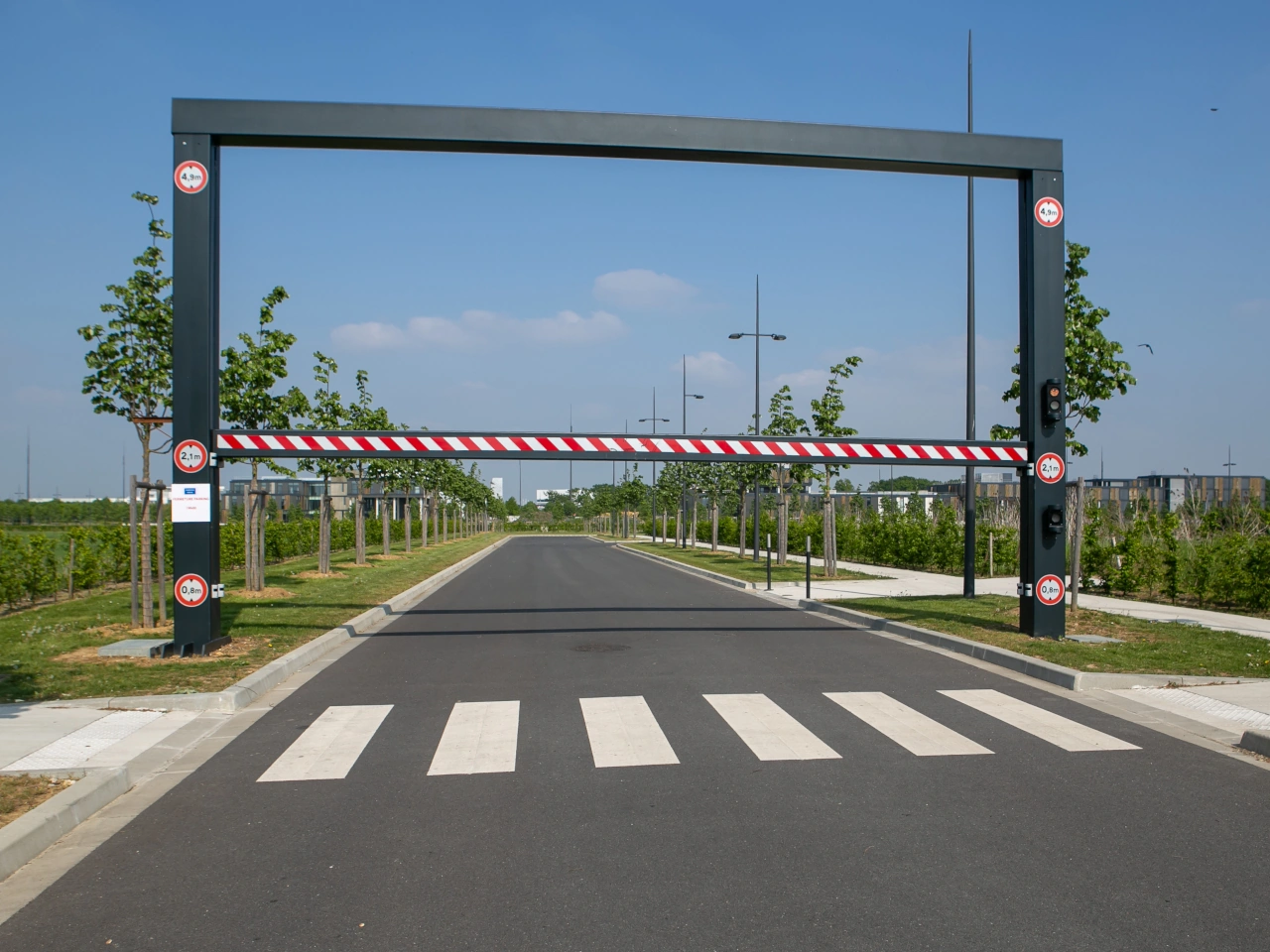
Barreras selectivas
What is a selective barrier?

A selective barrier is a physical access-control device that blocks some traffic while allowing specified road users or authorised vehicles to pass.

What types of selective barriers exist?

Common examples include fixed bollards, removable posts, folding posts, retractable bollards, gates, rising barriers and width-filtering installations.

Why are selective barriers used?

They may prevent through traffic, protect pedestrian or cycling routes, control access to restricted areas or allow only residents, public transport, deliveries or emergency services to enter.

Does the barrier itself determine who may pass?

Not normally. The permitted users are determined by traffic signs, permits, access systems and local regulations.

May cyclists pass through a selective barrier?

Only when cycling is permitted and sufficient safe space is provided. Cyclists must follow the signs applying to the road or path.

May pedestrians pass through?

Pedestrians may pass where pedestrian access is permitted and a safe route is available. They should not walk beneath a moving gate or through a vehicle-only opening.

May motorcycles pass between bollards?

Only when motorcycles are legally permitted beyond the barrier and the opening is intended for them. Being physically able to fit through does not create permission.

May emergency vehicles pass?

Emergency vehicles may have keys, remote controls, automatic recognition or another authorised method of opening the barrier. Other road users must keep the access clear.

May residents or delivery vehicles enter?

They may enter only when local access rules, permits or traffic signs authorise them. Permission may apply only during specified hours.

What is a retractable bollard?

A retractable bollard is a post that can rise from or lower into the road surface to control vehicle access.

How may a retractable bollard be activated?

It may operate through a badge, remote control, access code, number-plate recognition, timer, control centre or automatic detection system.

When may you drive over a retractable bollard?

Only after confirming that you are authorised and the bollard is fully lowered. Do not move merely because another vehicle has activated it.

May you follow another authorised vehicle through?

No, unless your own access is also authorised and the system clearly permits it. The barrier may rise immediately after the first vehicle.

What do warning lights near a barrier mean?

Red lights normally require road users to stop, while another signal may indicate when passage is permitted. Follow the displayed signals and local instructions.

What should you do when the barrier is moving?

Stop at a safe distance and wait until it has completed its movement. Never drive, cycle or walk beneath a moving gate or across a rising bollard.

What if the barrier appears to be stuck?

Do not force, move or drive around it. Use the intercom or contact the operator, road authority or emergency service indicated at the location.

May you move a removable bollard yourself?

No, unless you are specifically authorised. Removing or repositioning access-control equipment may create danger and allow prohibited traffic to enter.

Does a lowered bollard mean everyone may enter?

No. Traffic signs and access restrictions remain applicable even when the physical barrier is temporarily open or lowered.

Does an open gate cancel a no-entry sign?

No. An open physical barrier does not cancel a regulatory traffic sign.

Does a selective barrier impose a speed limit?

Not by itself. Drivers must follow the applicable speed limit and approach slowly enough to stop before the installation.

Does it change priority?

No. Traffic lights, priority signs and ordinary priority rules remain applicable unless another traffic arrangement indicates otherwise.

May you stop or park in front of a selective barrier?

Do not stop or park where the vehicle would block authorised access, emergency services, pedestrians or cyclists.

Why are bollards dangerous for cyclists and motorcyclists?

They may be difficult to see, especially in darkness, congestion or poor weather. A collision can cause a rider to fall into nearby traffic or other obstacles.

How should cyclists approach bollards?

Reduce speed, identify the intended opening and pass through in a straight and controlled line. Avoid overtaking another cyclist at the barrier.

What should drivers do when leaving a restricted area?

Approach slowly, wait for the access system to respond and check for pedestrians and cyclists before crossing their route.

What if your vehicle strikes a barrier?

Stop safely, activate the hazard warning lights where appropriate and report the collision. Do not continue if the vehicle, barrier or access system may be damaged.

1 Francia 2 Autopista 3 Vía rápida 4 Zona residencial 5 Zona 6 Límite de velocidad 7 Velocidad mínima 8 Velocidad recomendada 9 Senda peatonal 10 Carril bici 11 Advertencia de peatones 12 Túnel 13 Puente 14 Calle ciclista 15 Zona peatonal 16 Resalto 17 Carretera de peaje 18 Aduana 19 Sentido único 20 Muelle 21 Pendiente 22 Carril bus 23 Parada de autobús 24 Calle sin salida 25 Señal de STOP 26 Ceda el paso 27 Glorieta 28 Vía con prioridad 29 Estrechamiento de calzada 30 Prioridad sobre el tráfico en sentido contrario 31 Ceda el paso al tráfico en sentido contrario 32 Paso de peatones 33 Paso a nivel 34 Dirección obligatoria 35 Prohibición de giro 36 Zona escolar 37 Adelantamiento 38 Cruce de animales 39 Calzada deslizante 40 Desprendimiento de rocas 41 Aeronaves 42 Curva 43 Panel direccional 44 Circulación en sentido contrario 45 Obras 46 Viento lateral 47 Límite de altura 48 Límite de anchura 49 Límite de longitud 50 Límite de peso 51 Señal de control de velocidad 52 Barreras selectivas 53 Zona de bajas emisiones 54 Prioridad en la próxima intersección 55 Semáforos 56 Advertencia de semáforos 57 Semáforos peatonales 58 Marcas viales 59 Esquema de intersección 60 Zona avanzada para bicicletas 61 Indicador de velocidad 62 Permiso de conducir 63 Marcador de ubicación 64 Número de carretera 65 Paneles de aproximación 66 Aseos públicos 67 Área de descanso 68 Espejo de tráfico 69 Teléfono de emergencia 70 Frontera internacional 71 Ruta ciclista 72 Fin de restricción 73 Estacionamiento 74 Prohibido estacionar 75 Prohibido parar 76 Estacionamiento en línea 77 Estacionamiento alterno 78 Parquímetro 79 Disco de estacionamiento 80 Estacionamiento para personas con discapacidad 81 Gestión del tráfico 82 Incorporación 83 Marcha atrás 84 Cambio de sentido 85 Viaje compartido 86 Atasco 87 Intersección sin regulación 88 Estado de la calzada 89 Circunvalación 90 Salida 91 Punto de información 92 Equitación 93 Permiso provisional 94 Mercancías peligrosas 95 Salida de emergencia 96 Rampa de frenado de emergencia 97 Servicio de radio 98 Carga sobredimensionada 99 Carril 100 Estación de inflado ...