WetterSchweiz
Lerne Verkehrsregeln mit klaren Erklärungen und visuellen Beispielen in unserem illustrierten Buch – einfach, verständlich und anschaulich.
88. Wetter
Wetter kann Fahrbedingungen erheblich beeinflussen, indem es Sicht, Haftung und Fahrzeugkontrolle reduziert. Regen, Nebel, Schnee, Eis, starker Wind und tief stehende Sonne können das Unfallrisiko erhöhen. Fahrer sollten Geschwindigkeit und Abstand an die Bedingungen anpassen, auf rutschiger Fahrbahn abruptes Lenken oder Bremsen vermeiden und bei eingeschränkter Sicht die richtige Beleuchtung verwenden. Auch unterhalb der ausgeschilderten Höchstgeschwindigkeit kann ein Fahrer für Wetter und Straßenzustand noch zu schnell unterwegs sein.
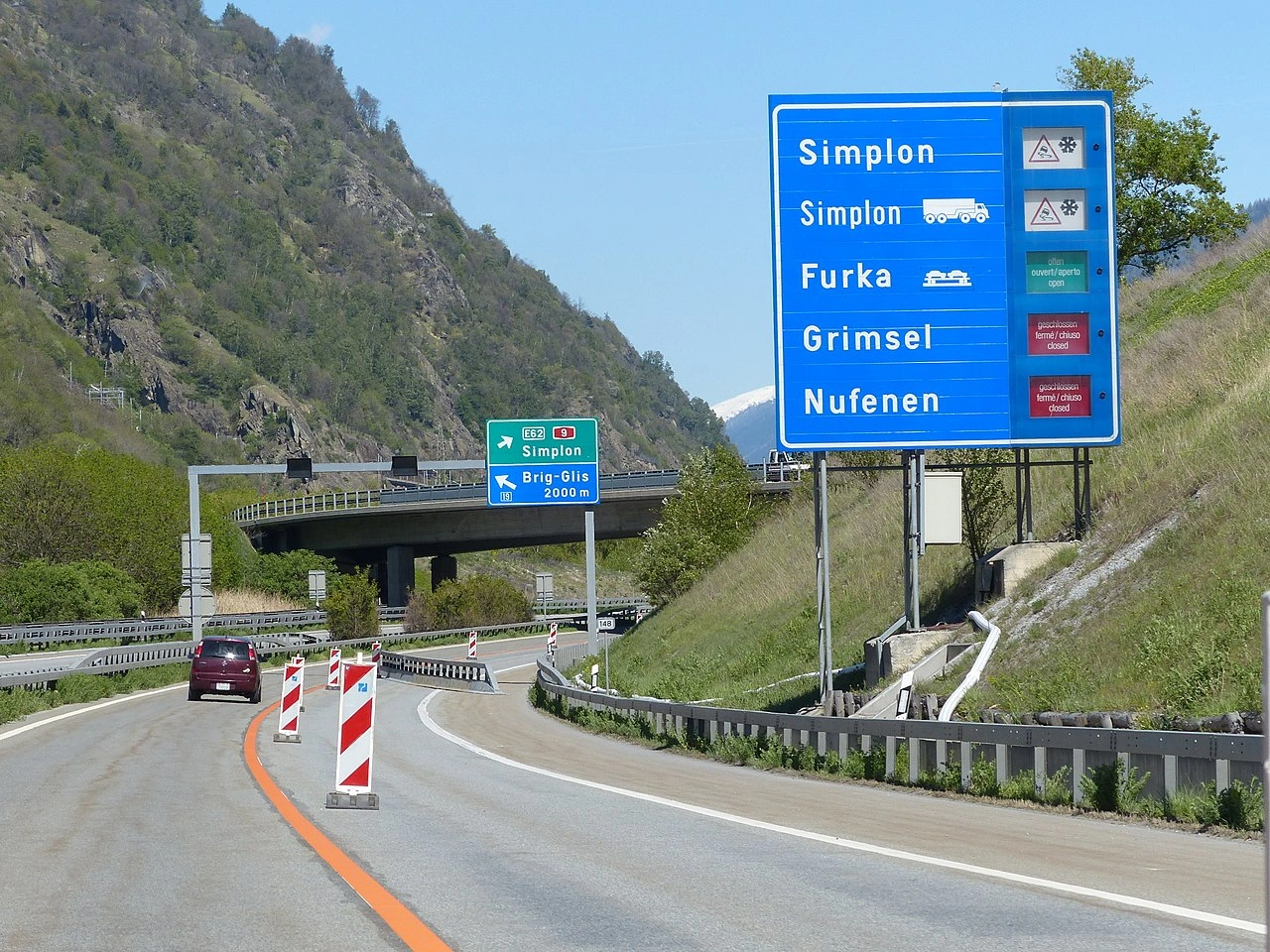
How does weather affect driving?
Weather can reduce visibility, tyre grip and vehicle control. Rain, snow, ice, fog, strong wind and bright sunlight may require drivers to reduce speed and increase their following distance.
Should you drive slower in bad weather?
Yes. Drivers should adapt their speed to the weather, visibility and road conditions. The posted speed limit is a maximum and may still be too fast in poor conditions.
Why should you increase the following distance in bad weather?
Wet, snowy or icy roads can increase stopping distances. A larger following distance gives the driver more time and space to react and stop safely.
What should you do when driving in heavy rain?
Reduce speed, increase your following distance, use the appropriate lights and avoid sudden steering or braking. Heavy rain can reduce visibility and increase the risk of aquaplaning.
What should you do when driving in fog?
Reduce speed, increase your following distance and use the appropriate lights. Avoid relying on the vehicle ahead as a guide and make sure you can stop within the distance you can clearly see.
What should you do when driving on snow or ice?
Drive slowly and smoothly, increase the following distance and avoid sudden acceleration, steering or braking. Tyre grip can be greatly reduced on snow and ice.

Verkehrsregeln
Schweiz