Agressivité au volantAllemagne
Une introduction aux règles de circulation et aux panneaux routiers de Allemagne. Découvrez la conduite, la sécurité routière et bien plus encore dans notre livre illustré, avec des réponses aux questions fréquemment posées.
À titre informatif uniquement. Respectez toujours la réglementation officielle. Certains contenus et certaines images ont été créés avec l’aide de l’IA.
 Règles de circulation
 Allemagne
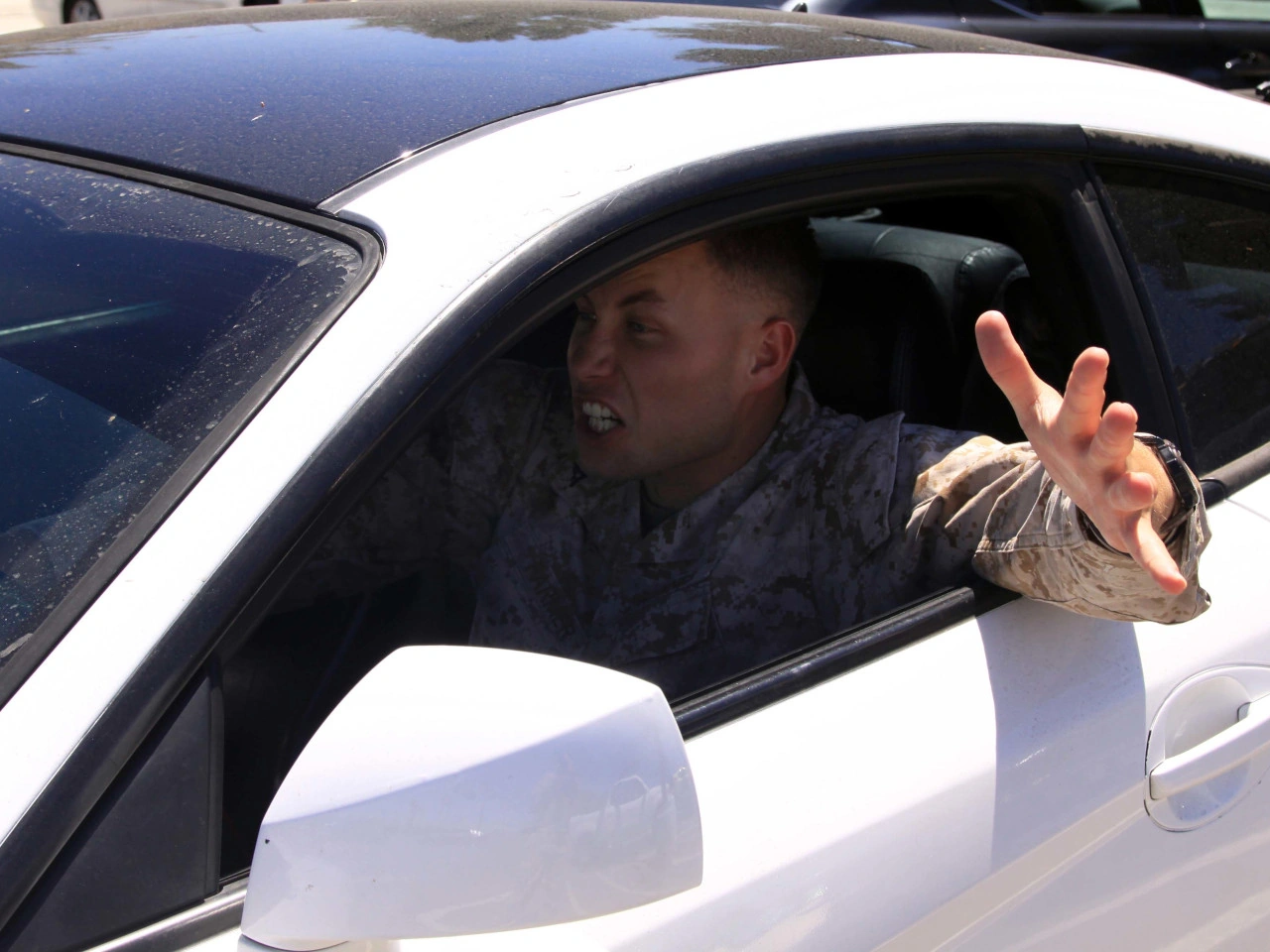
295. Agressivité au volant
L’agressivité au volant est un comportement agressif, hostile ou intimidant d’un usager envers d’autres dans la circulation. Elle peut comprendre des coups de klaxon excessifs, le fait de suivre de trop près, des cris, gestes menaçants, le blocage d’un autre véhicule ou des manœuvres volontairement agressives. La colère réduit le jugement et augmente la prise de risques, transformant un conflit mineur en situation dangereuse. Les conducteurs doivent éviter la confrontation, rester calmes, garder une distance sûre et ne jamais répondre à l’agressivité par l’agressivité.