


Additional signsHungary
 Traffic rules
 Hungary
 Priority signs
 Warning signs
 Prohibitory signs
 Mandatory signs
 Information signs
 Additional signs
Additional signs
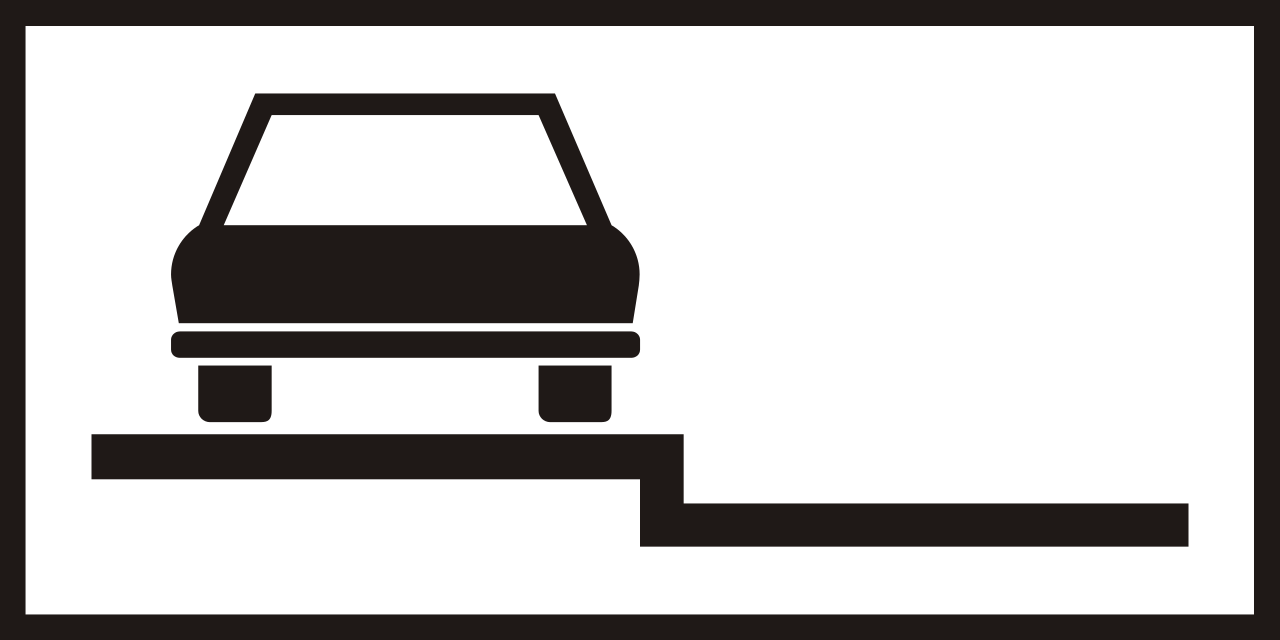
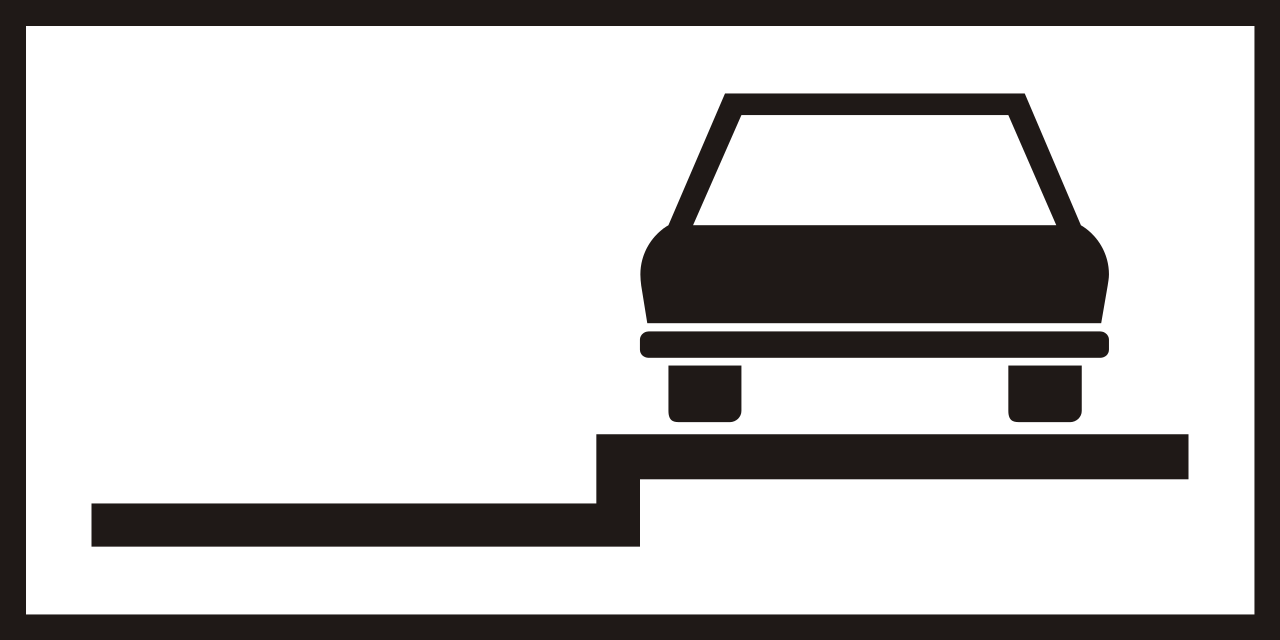
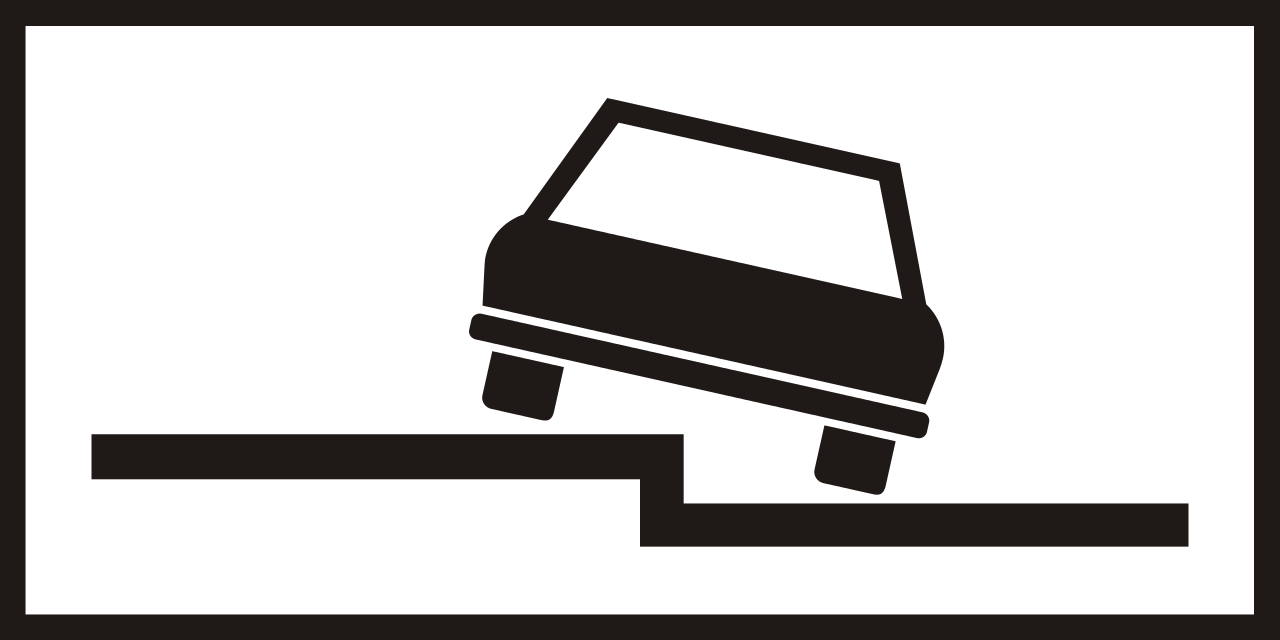
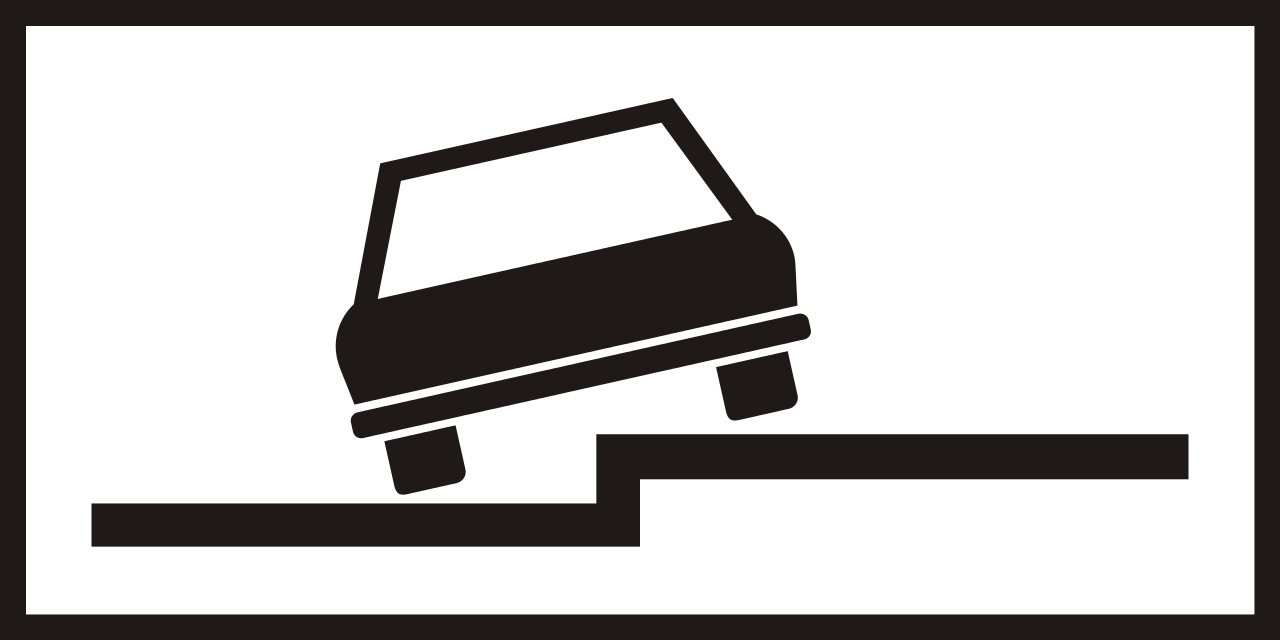
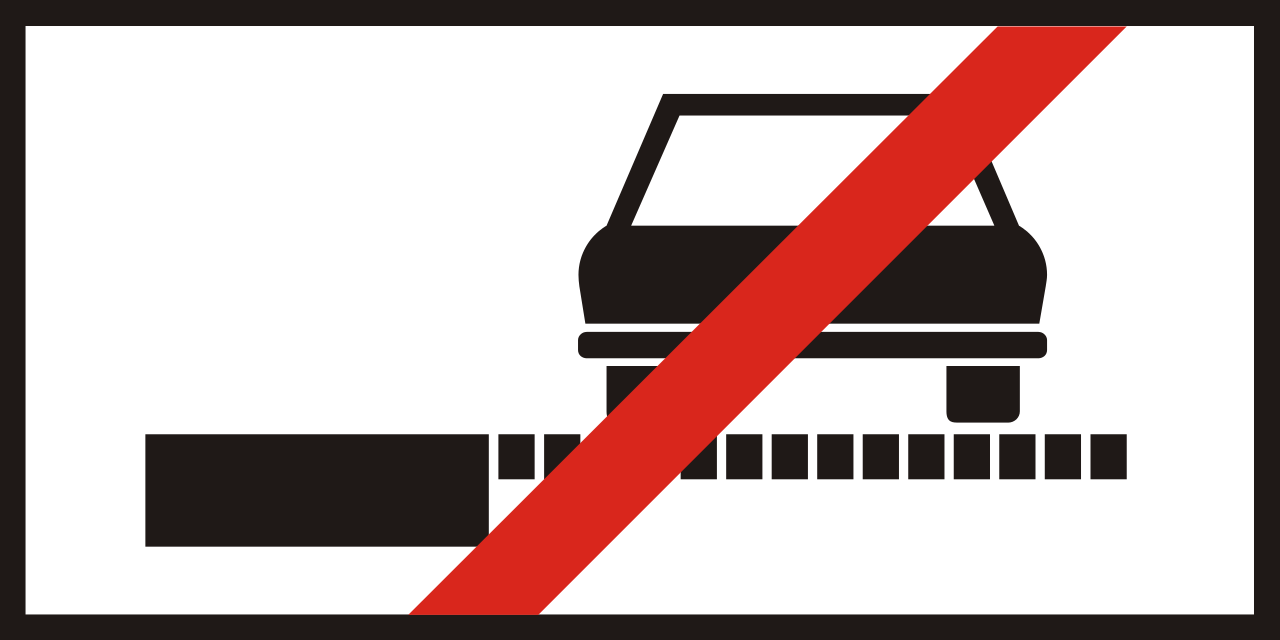
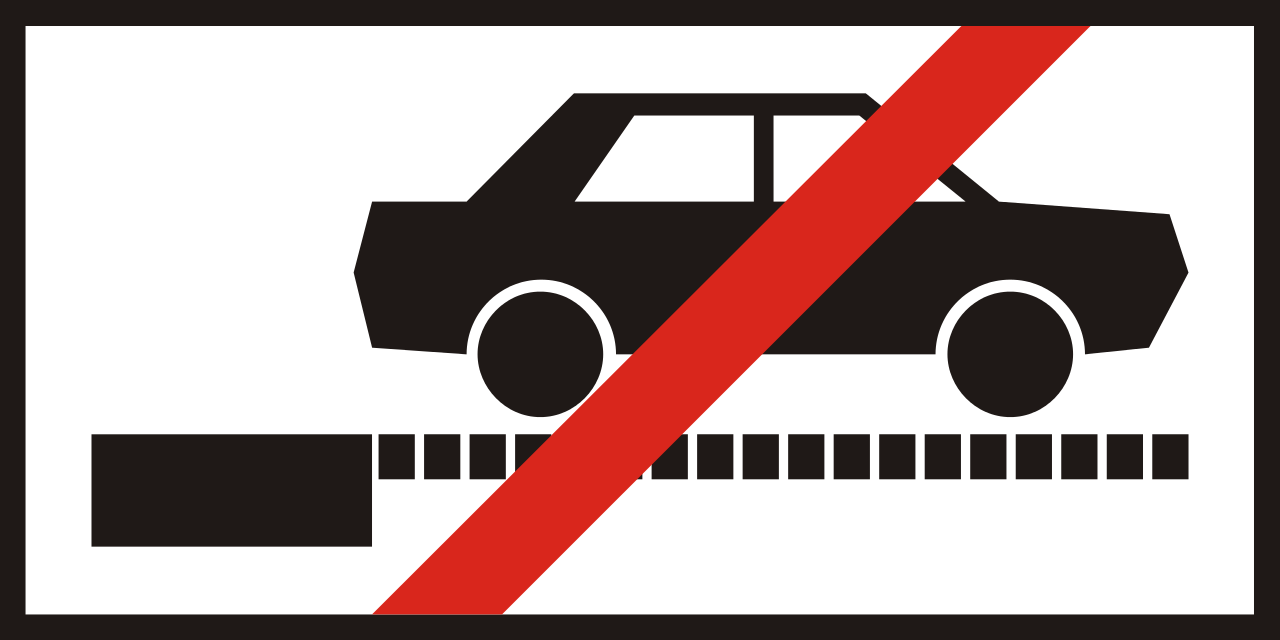
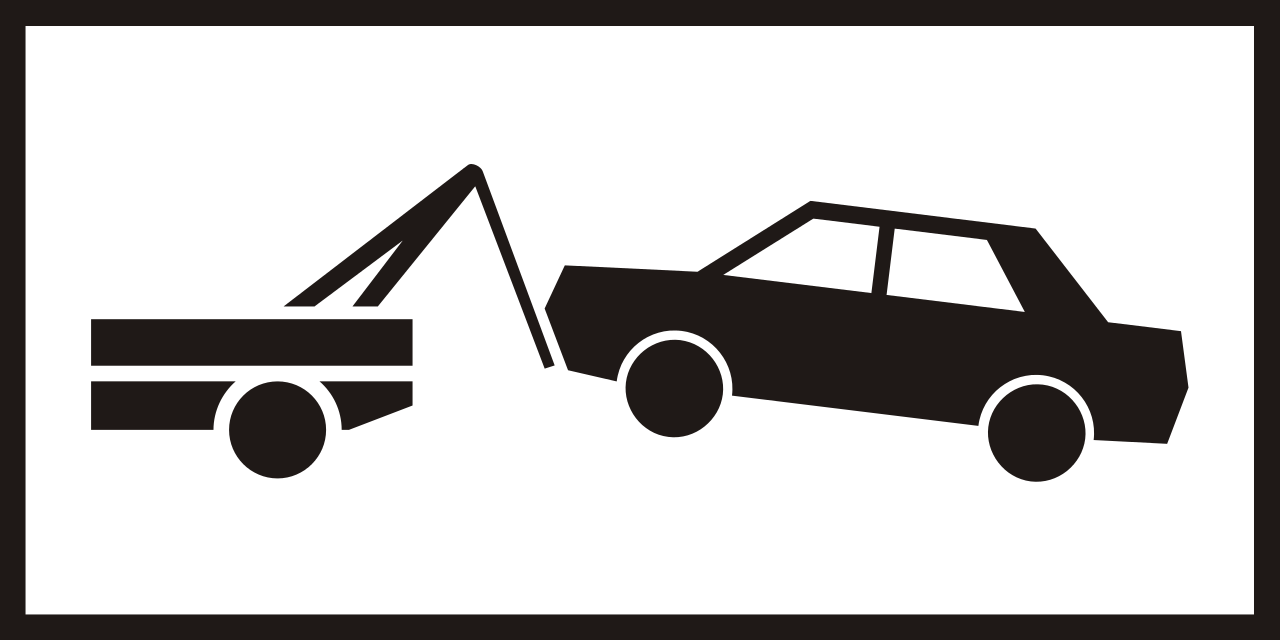
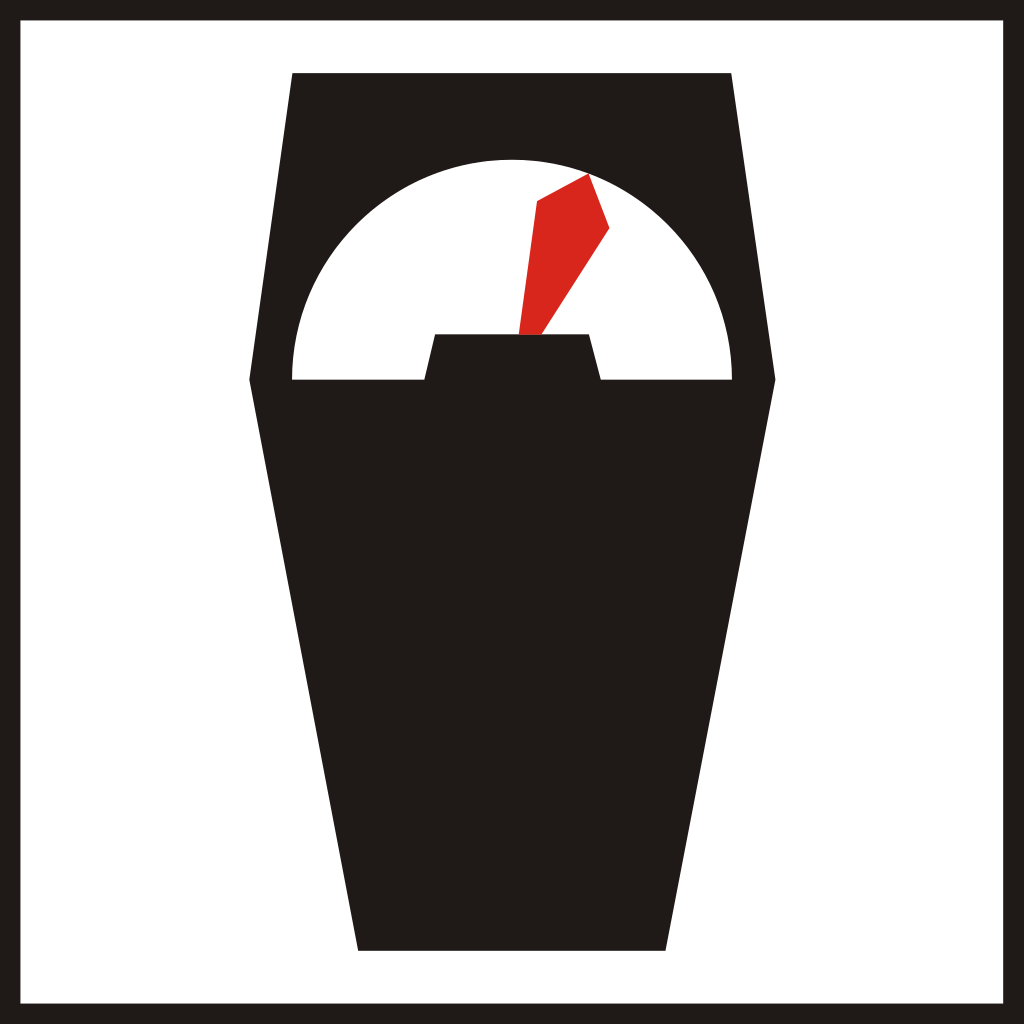
An additional sign is a traffic sign placed directly below another sign to provide extra information or clarify how the main sign should be understood. It can specify conditions such as distance, time periods, road users affected, directions, or special circumstances. Additional signs do not create new rules by themselves but modify, limit, or explain the meaning of the sign above them so drivers can apply the rule correctly in that specific situation.
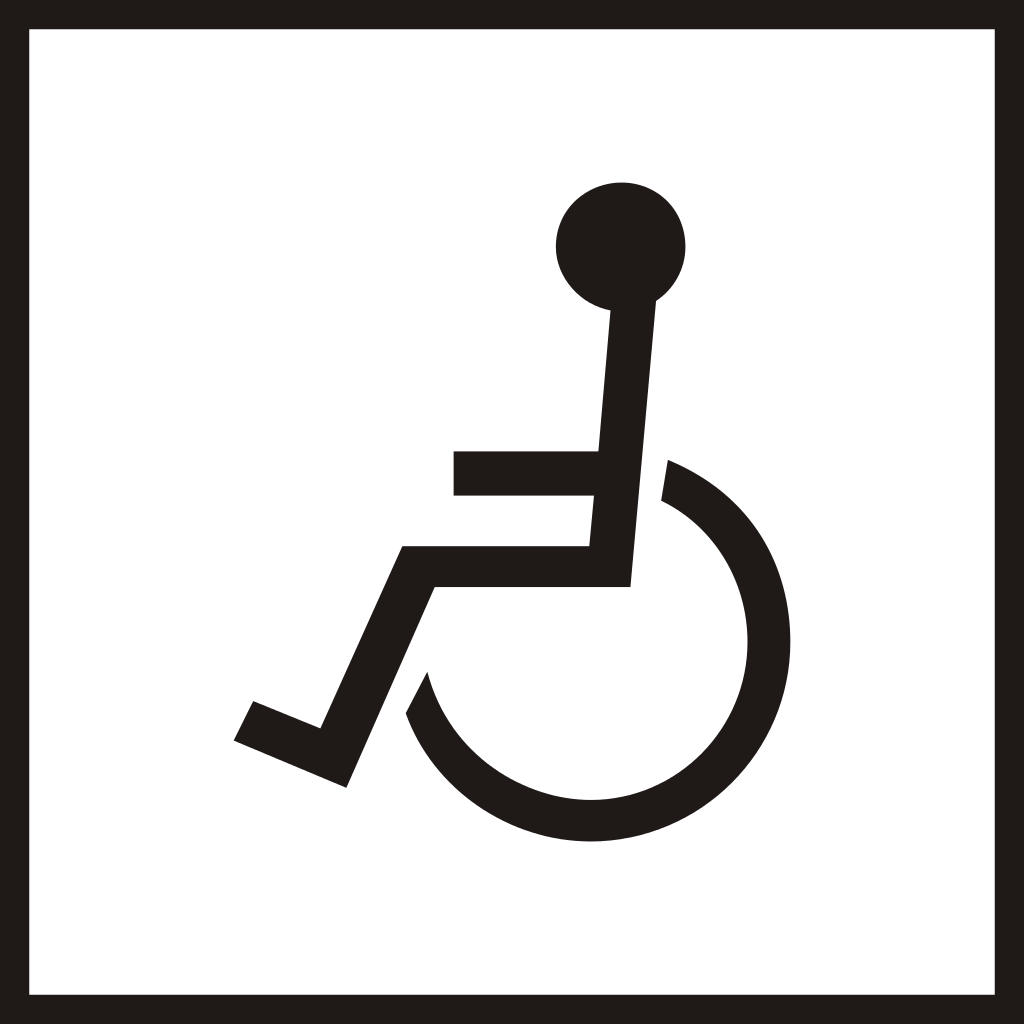

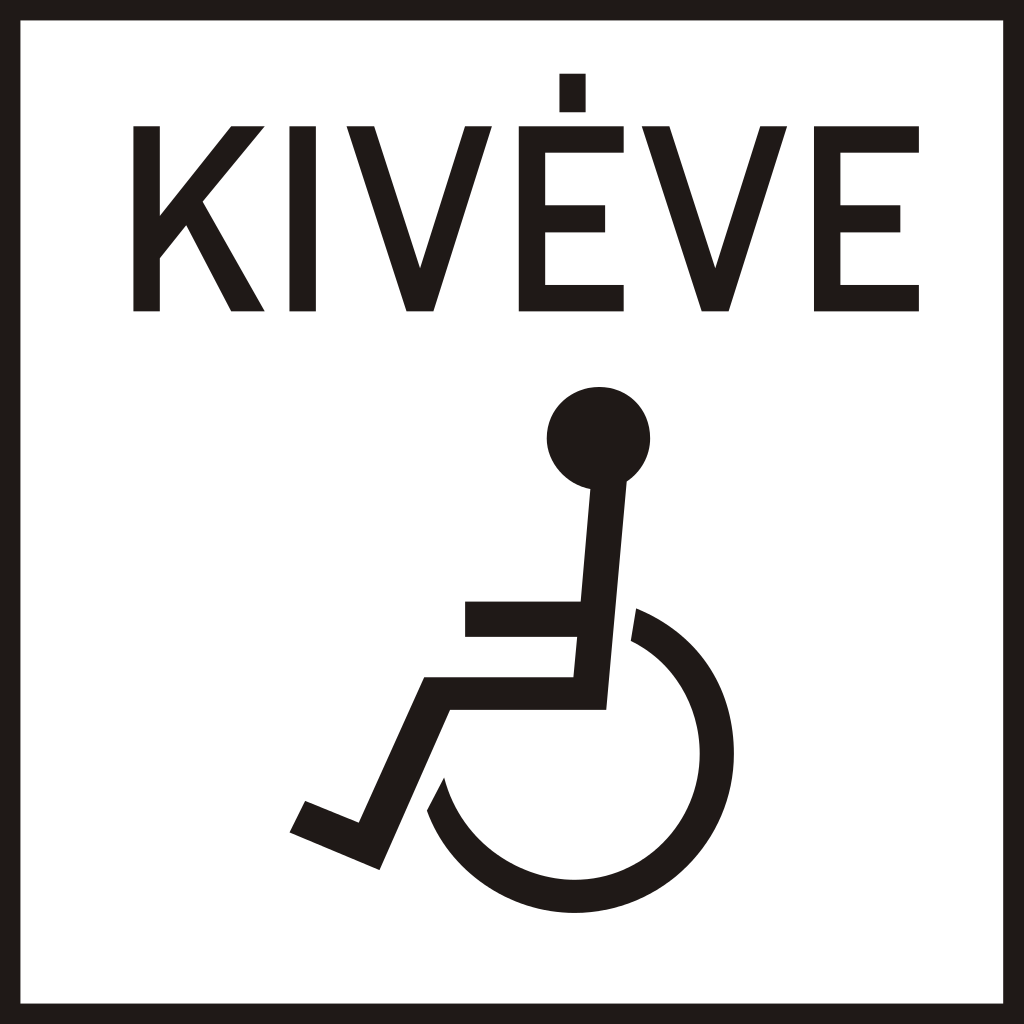
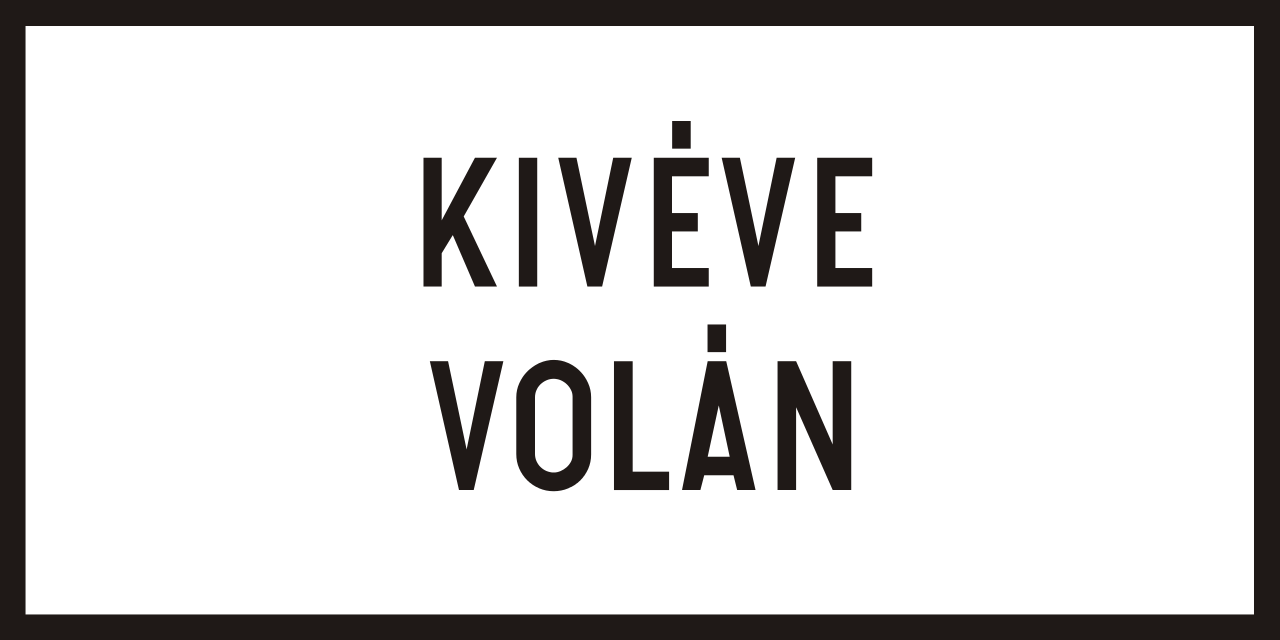















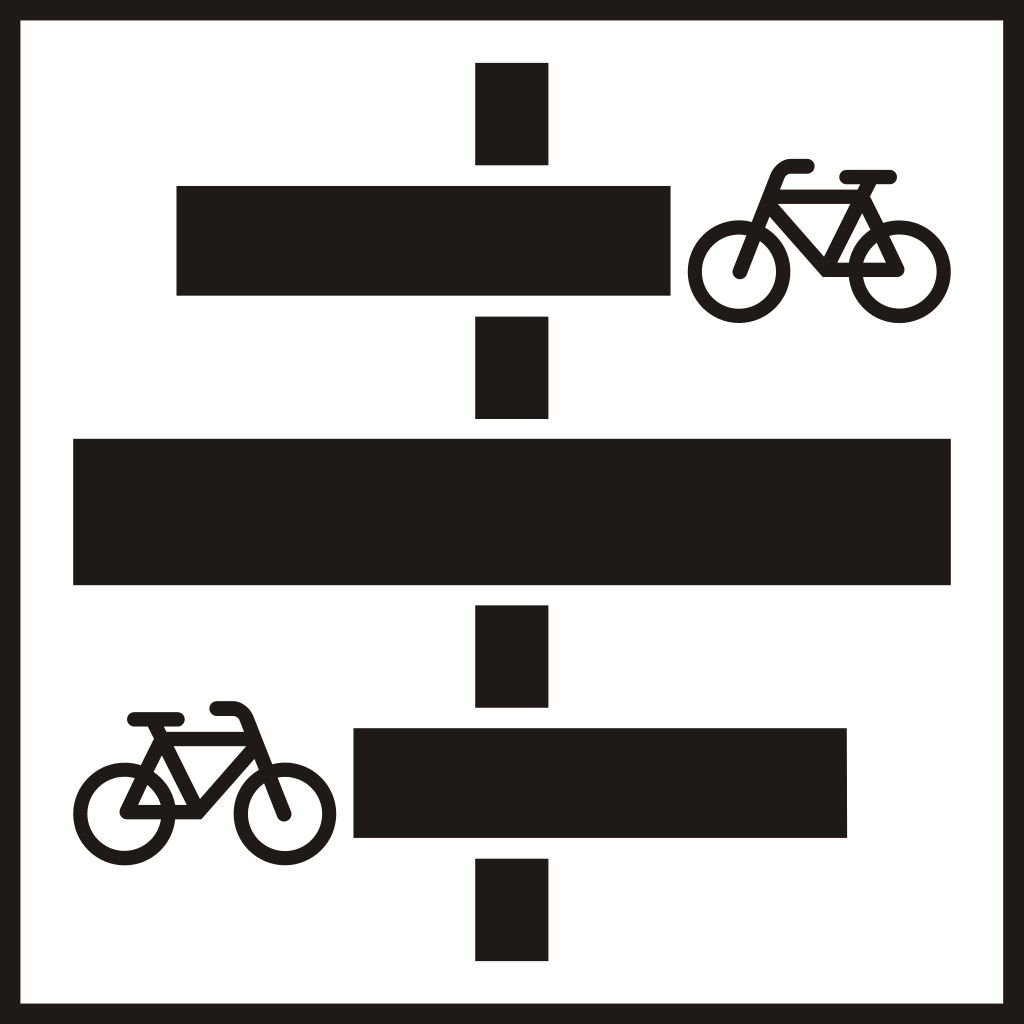
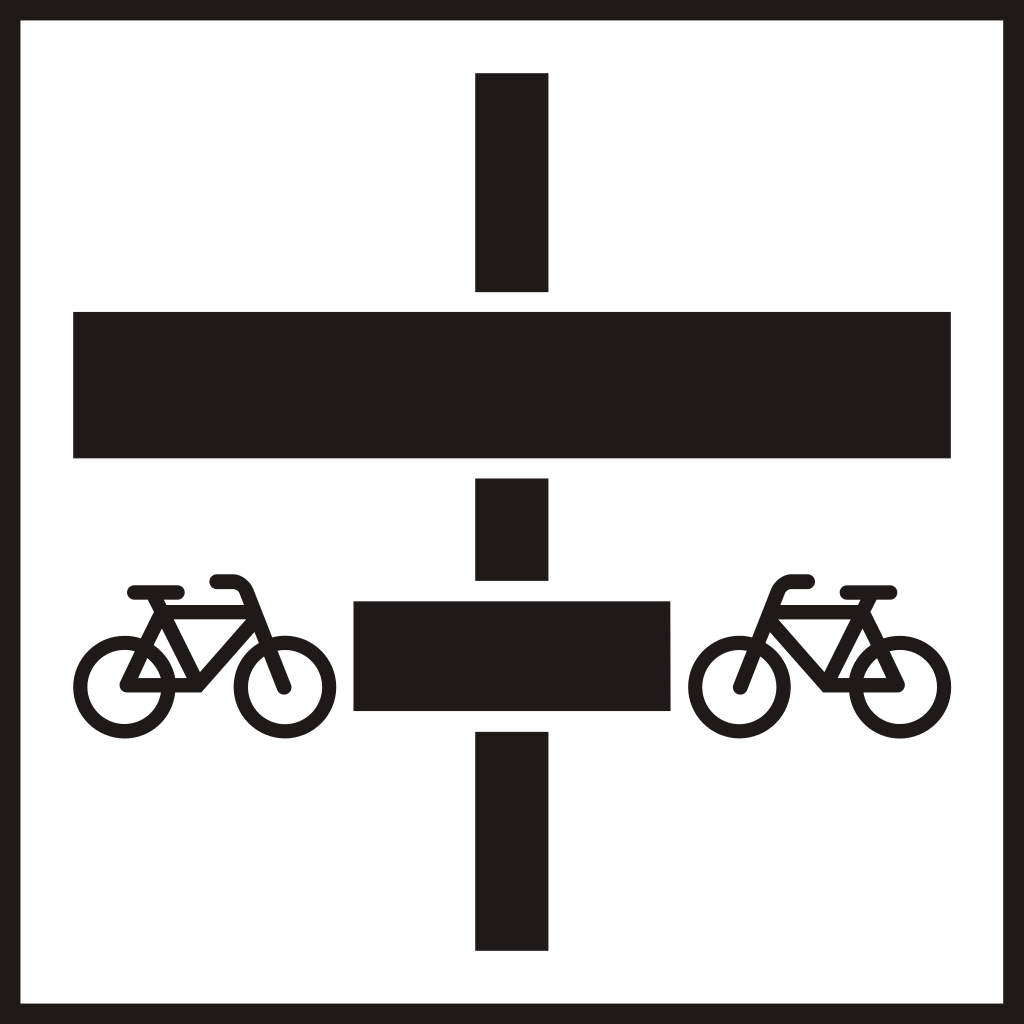
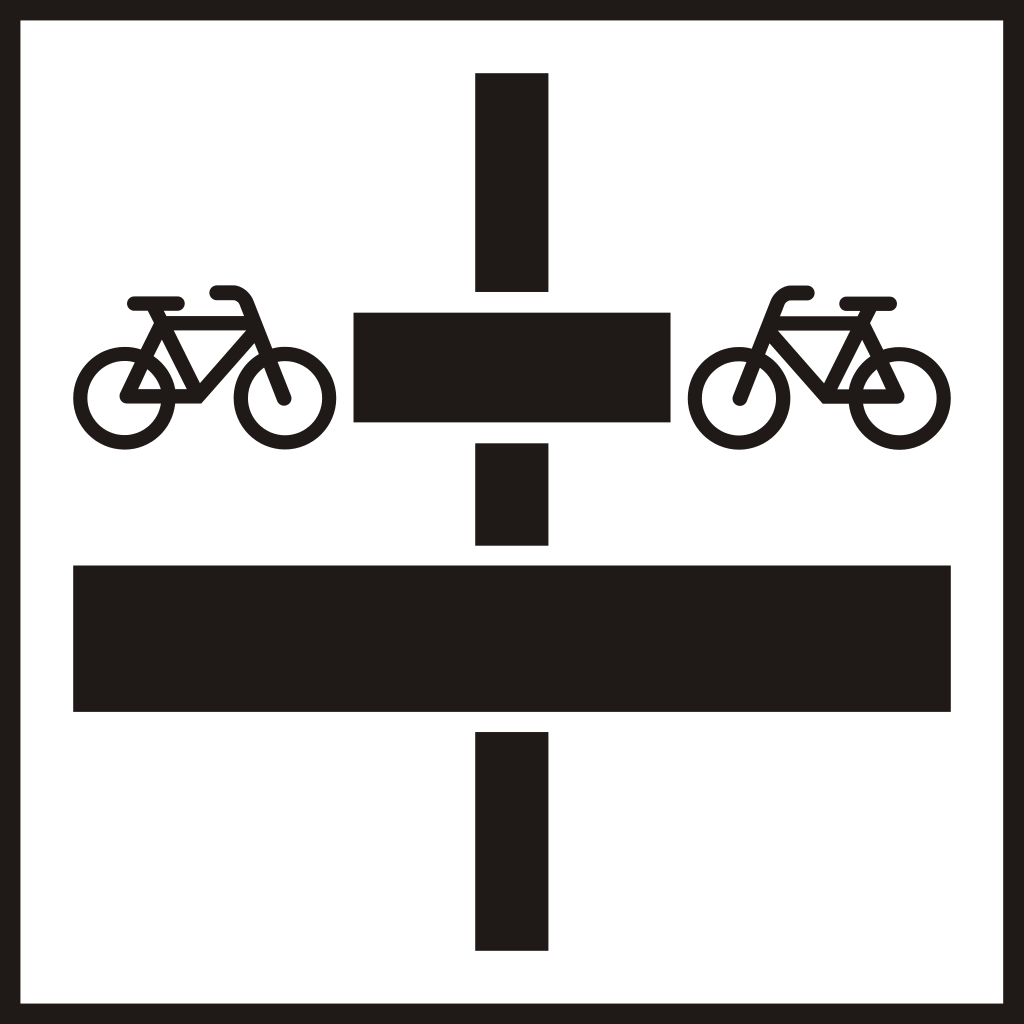


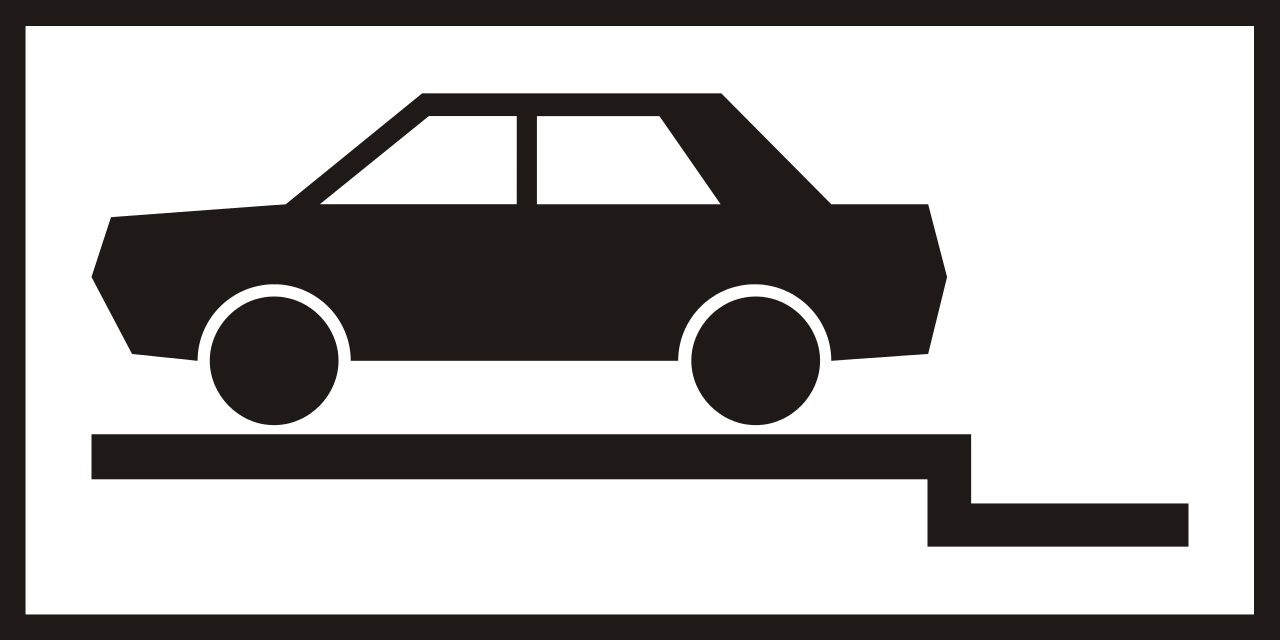
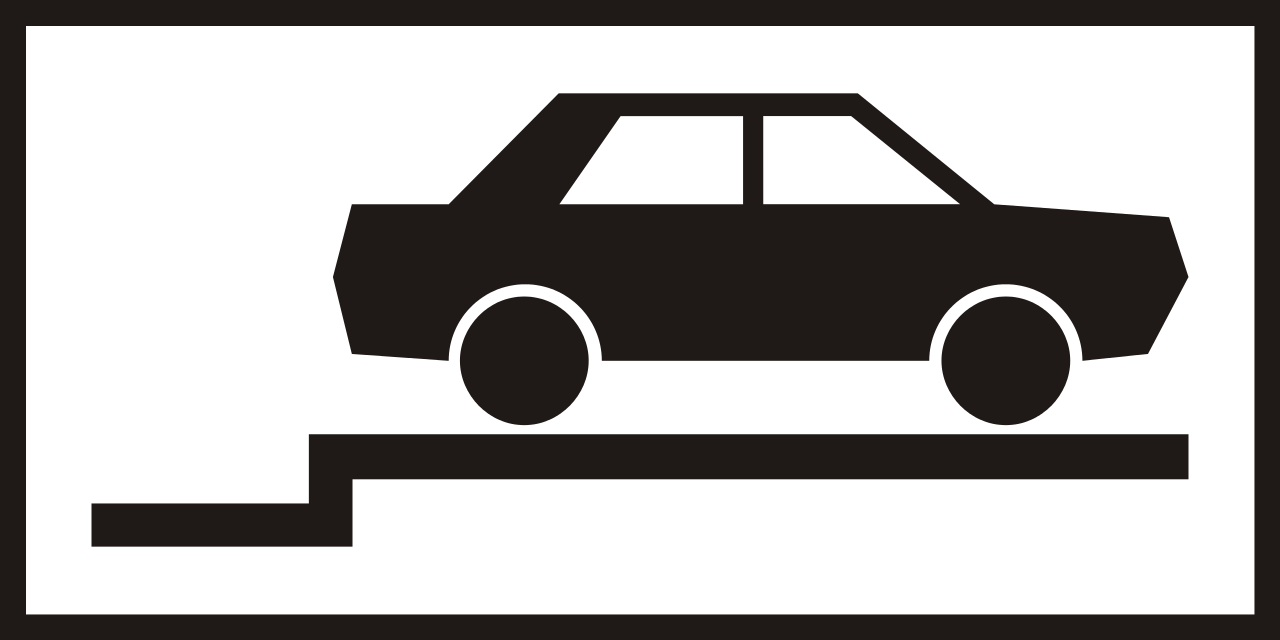
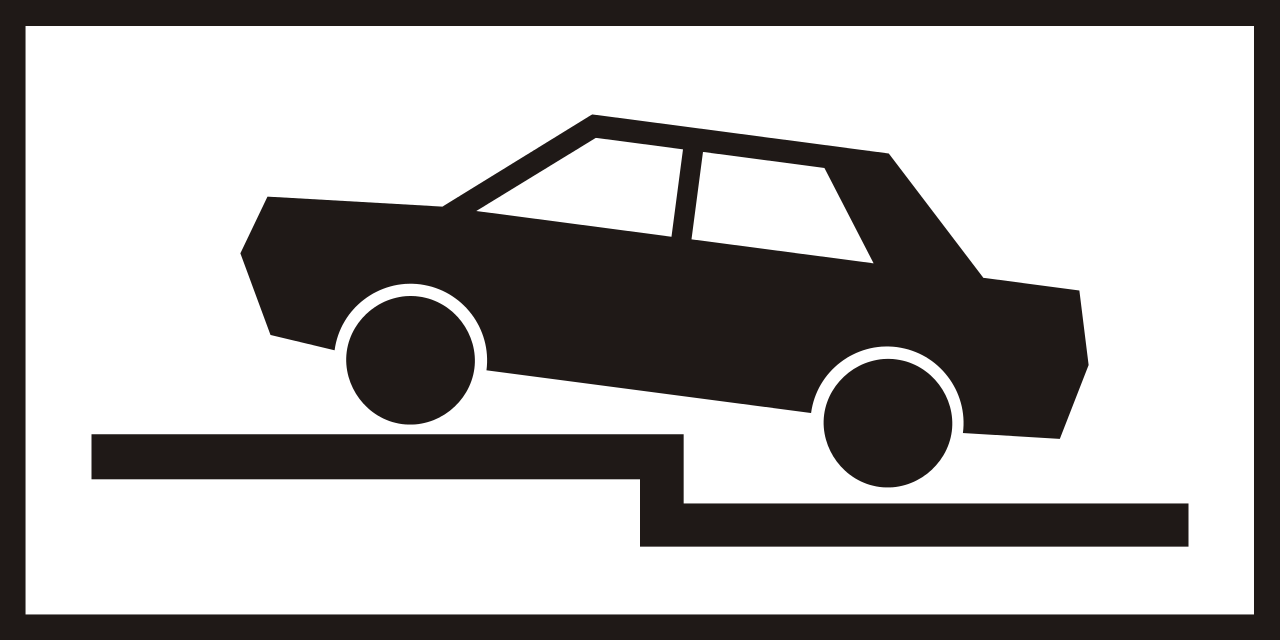
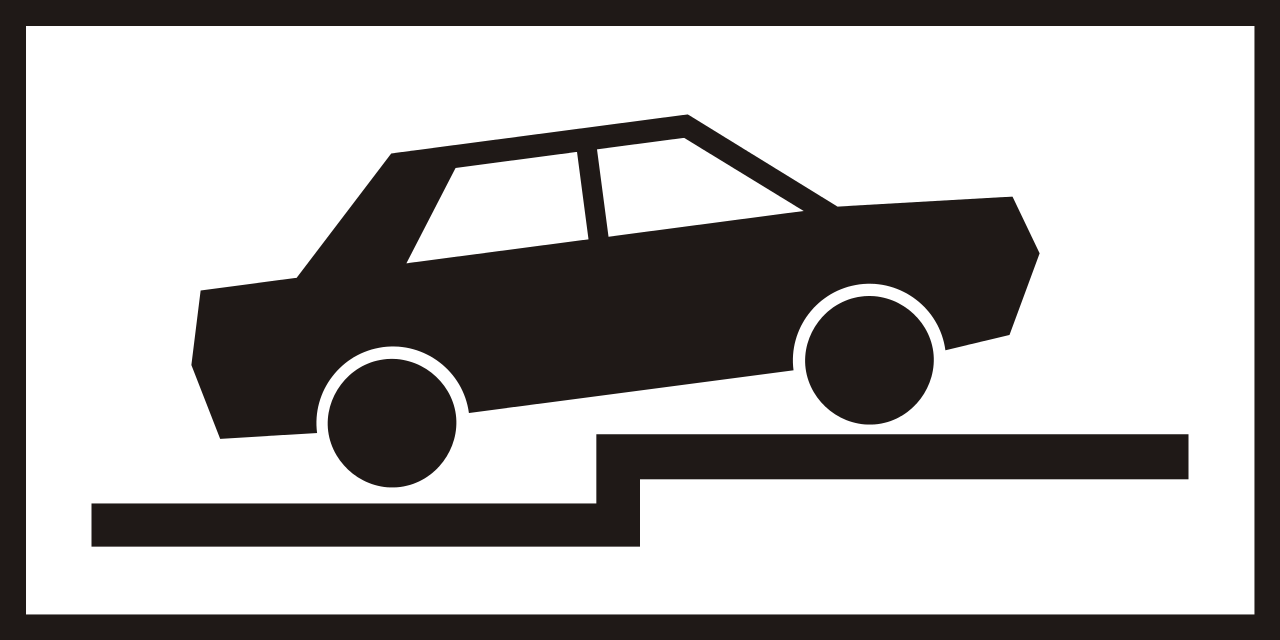


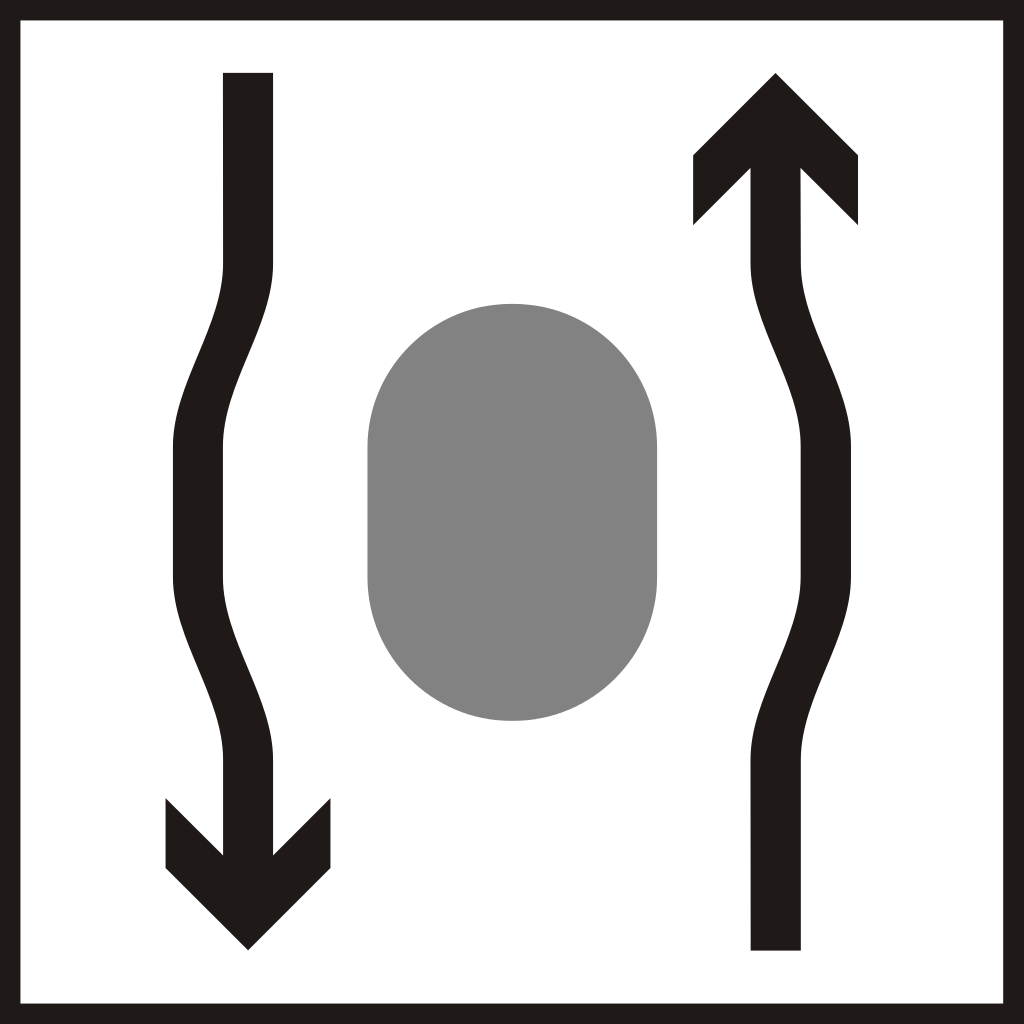


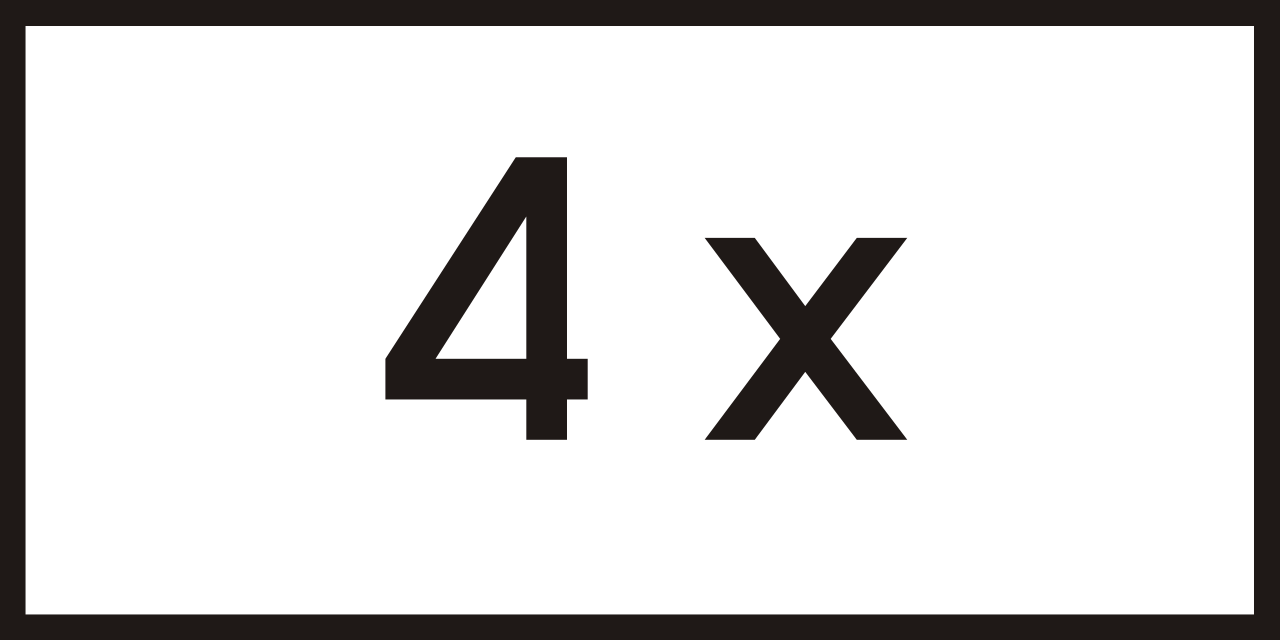


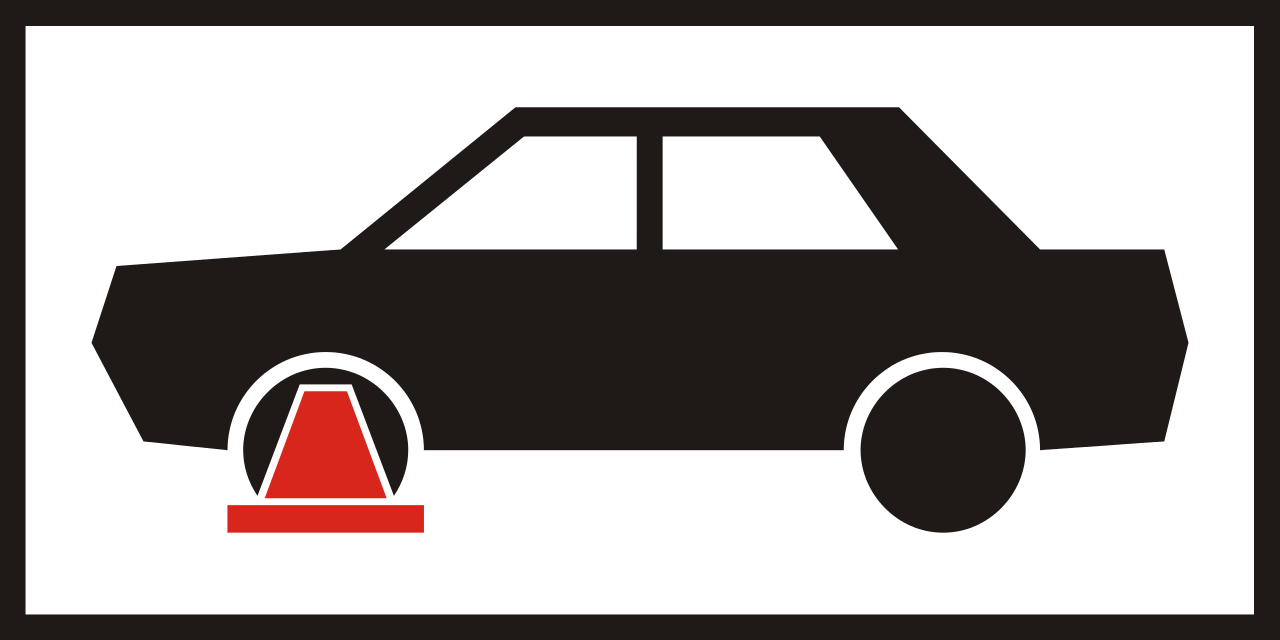
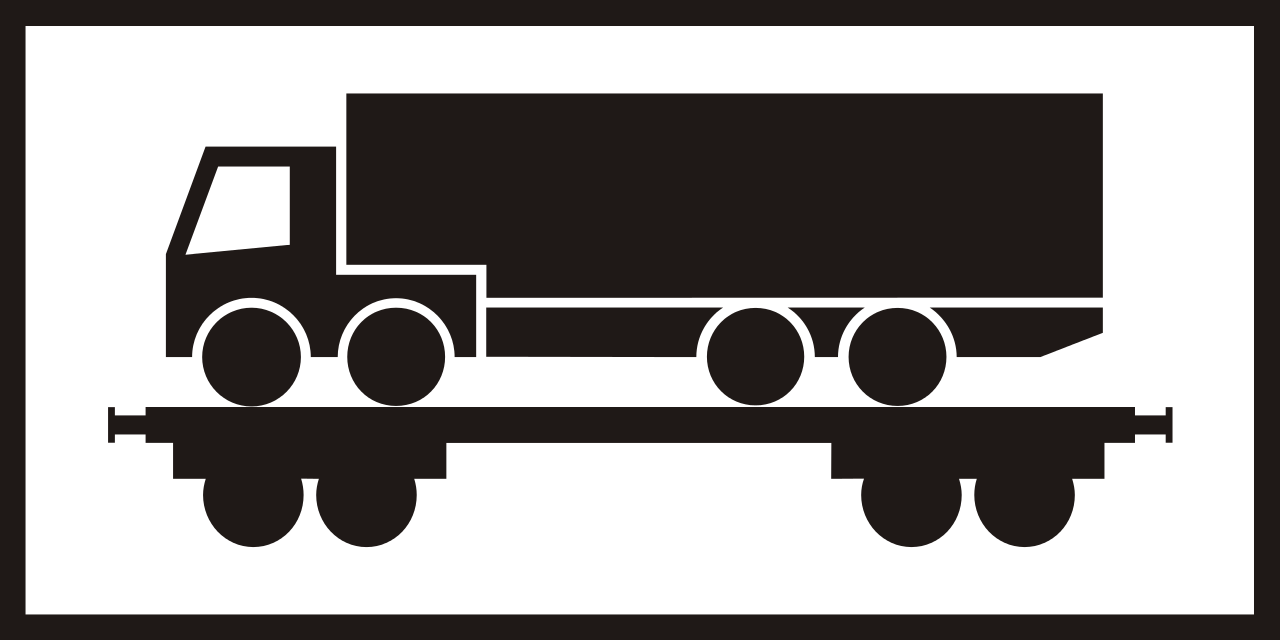


1. For people with disabilities
This supplementary sign indicates that the main traffic sign applies specifically to people with disabilities. Any permit or eligibility requirements depend on the applicable sign and local rules.
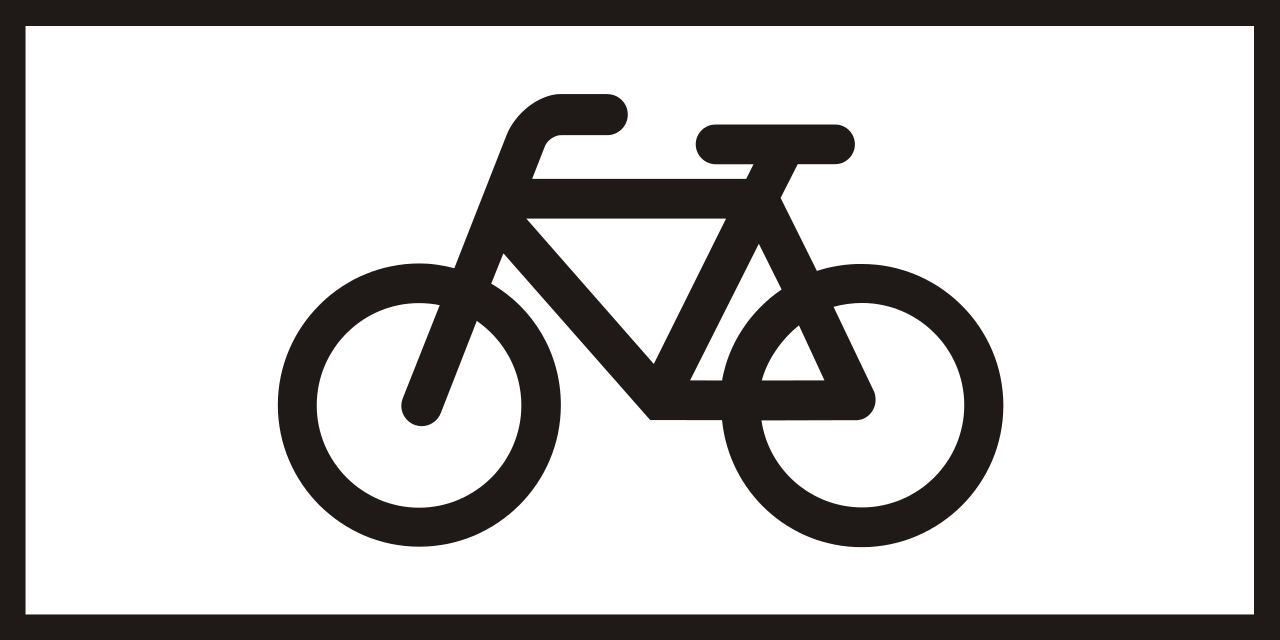
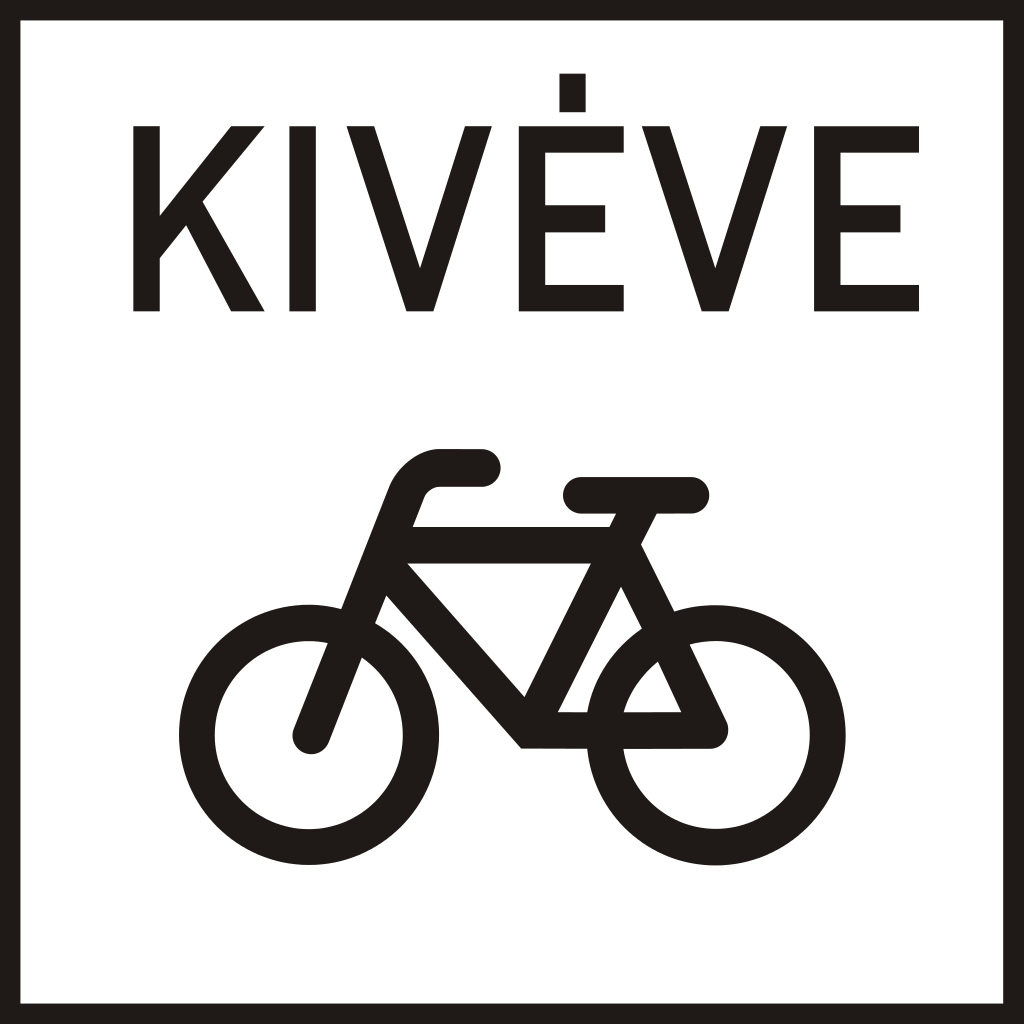
2. For cyclists
This supplementary sign indicates that the main traffic sign applies specifically to cyclists.
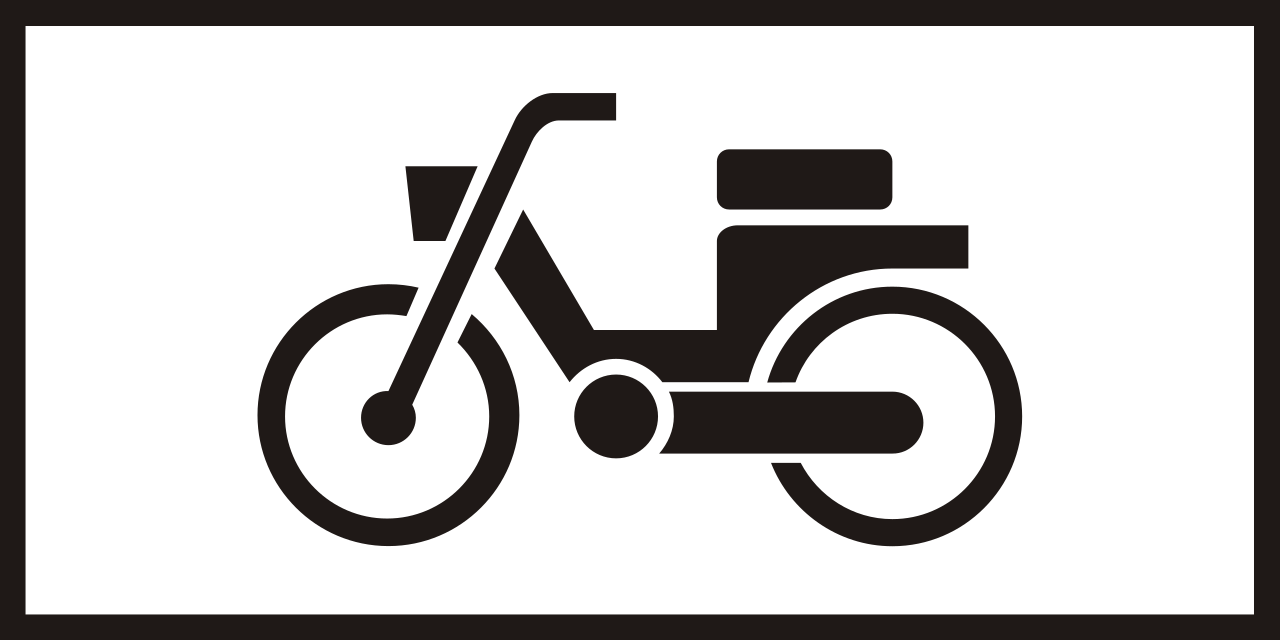
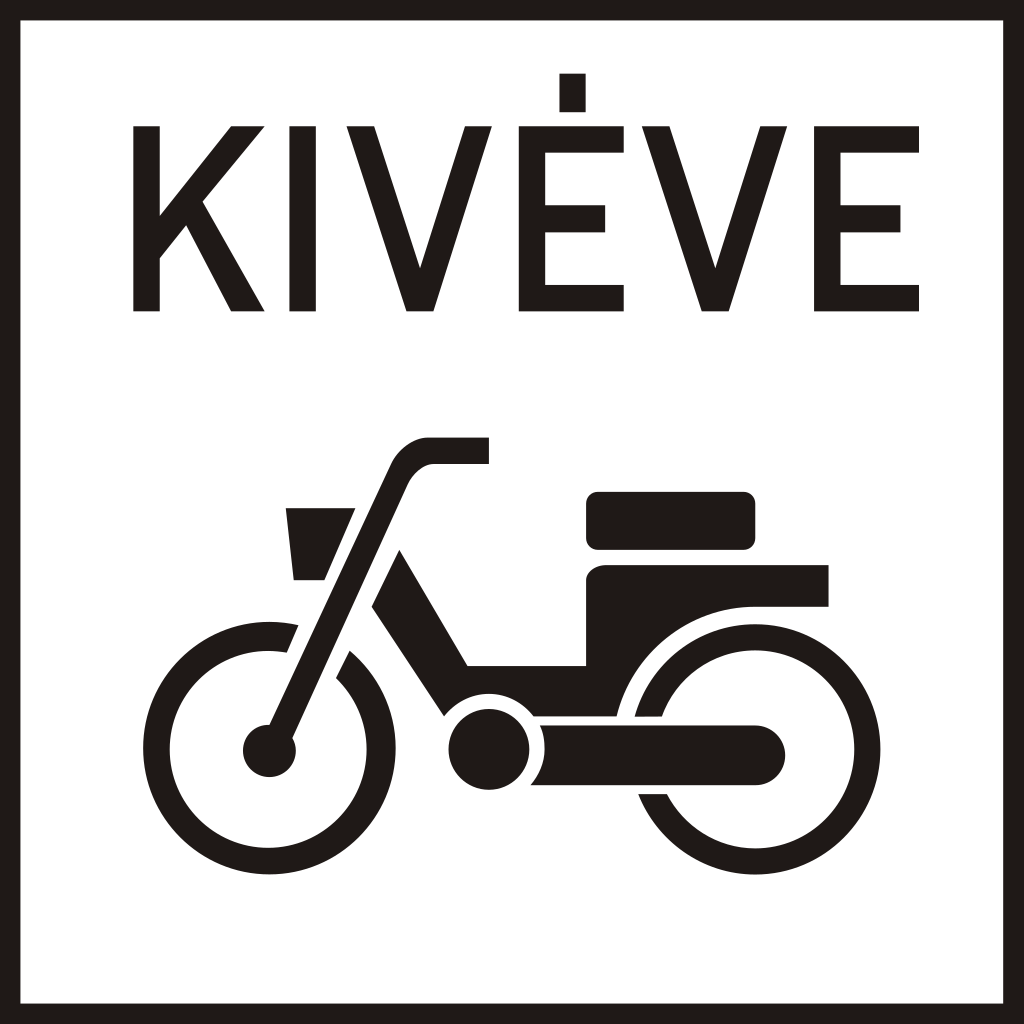
3. For mopeds
This supplementary sign indicates that the main traffic sign applies specifically to mopeds.
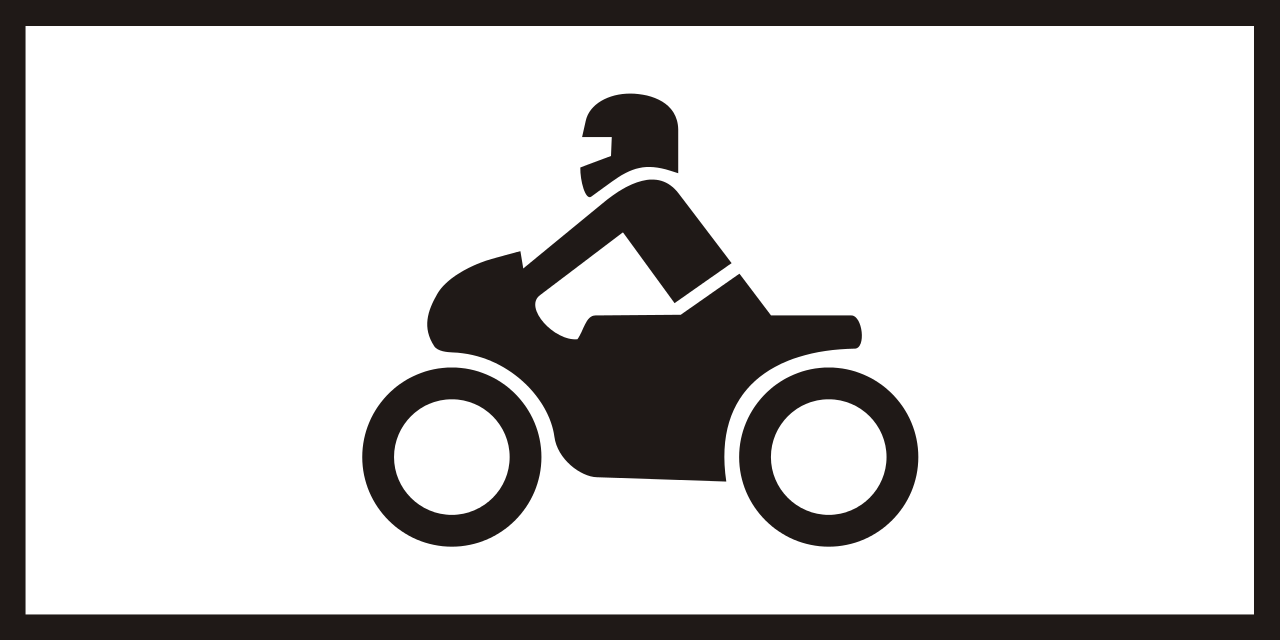
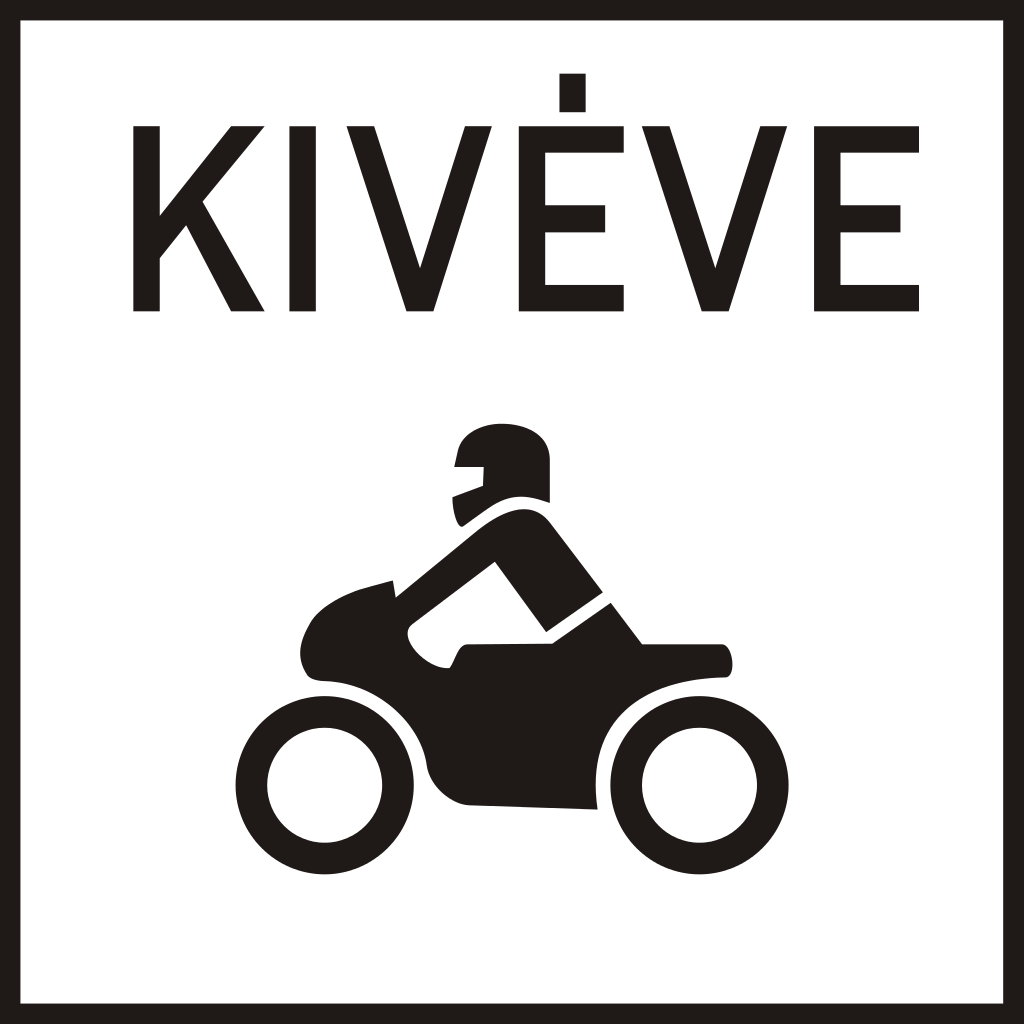
4. For motorcycles
This supplementary sign indicates that the main traffic sign applies specifically to motorcycles.
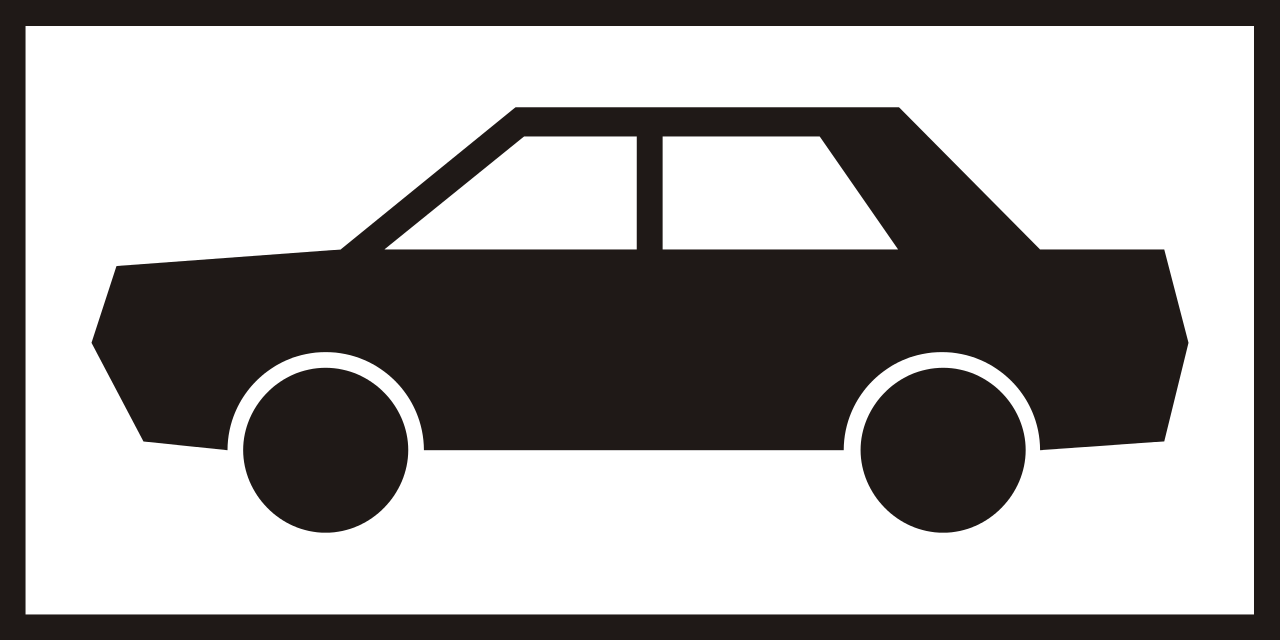
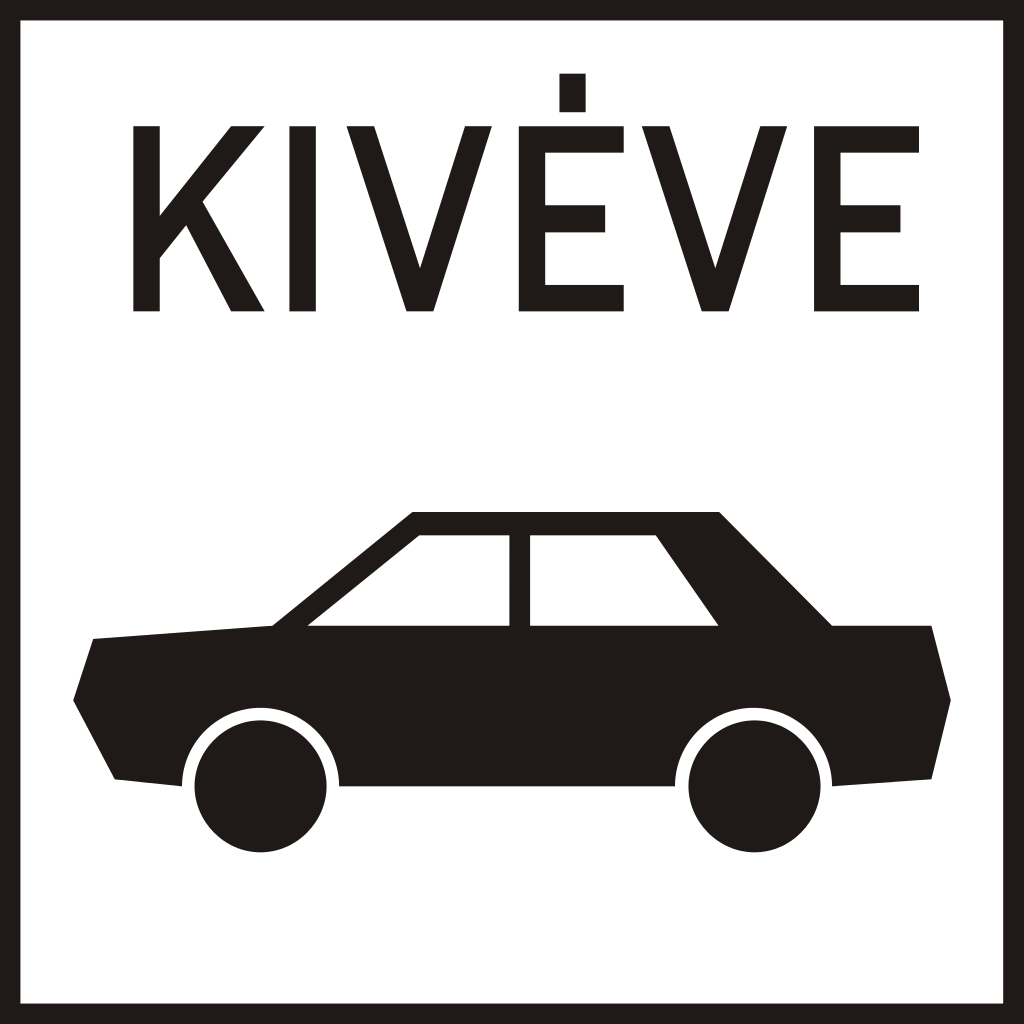
5. For cars
This supplementary sign indicates that the main traffic sign applies specifically to cars. The vehicle category covered by the symbol is determined by the applicable local definitions.
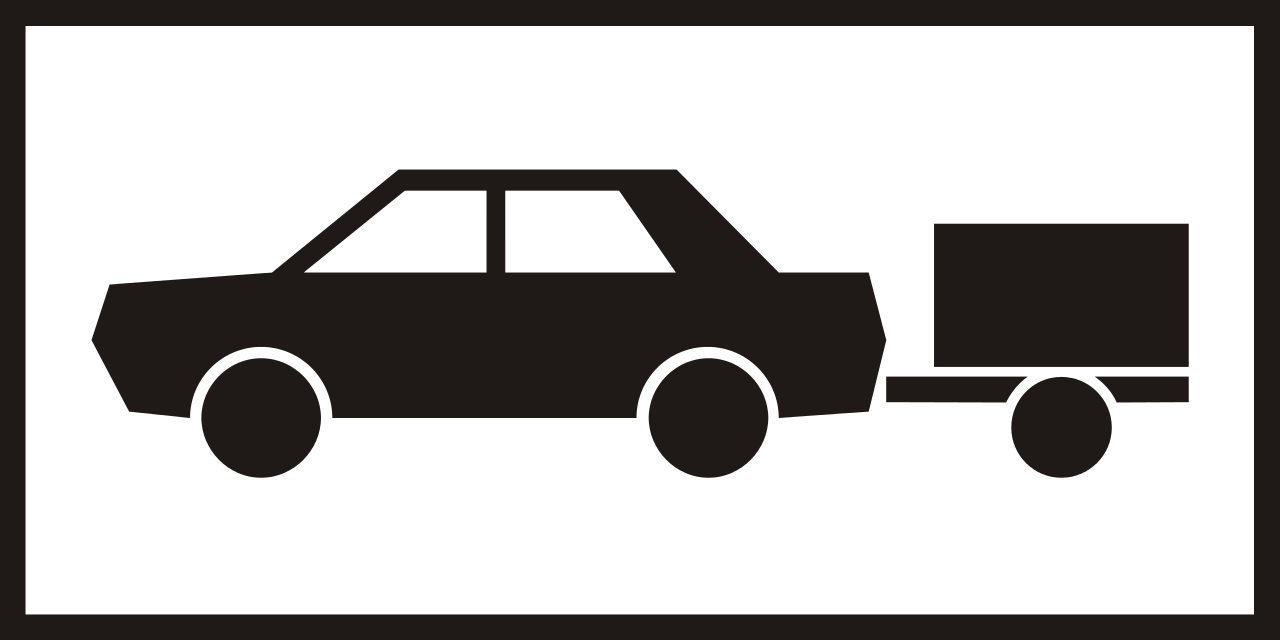
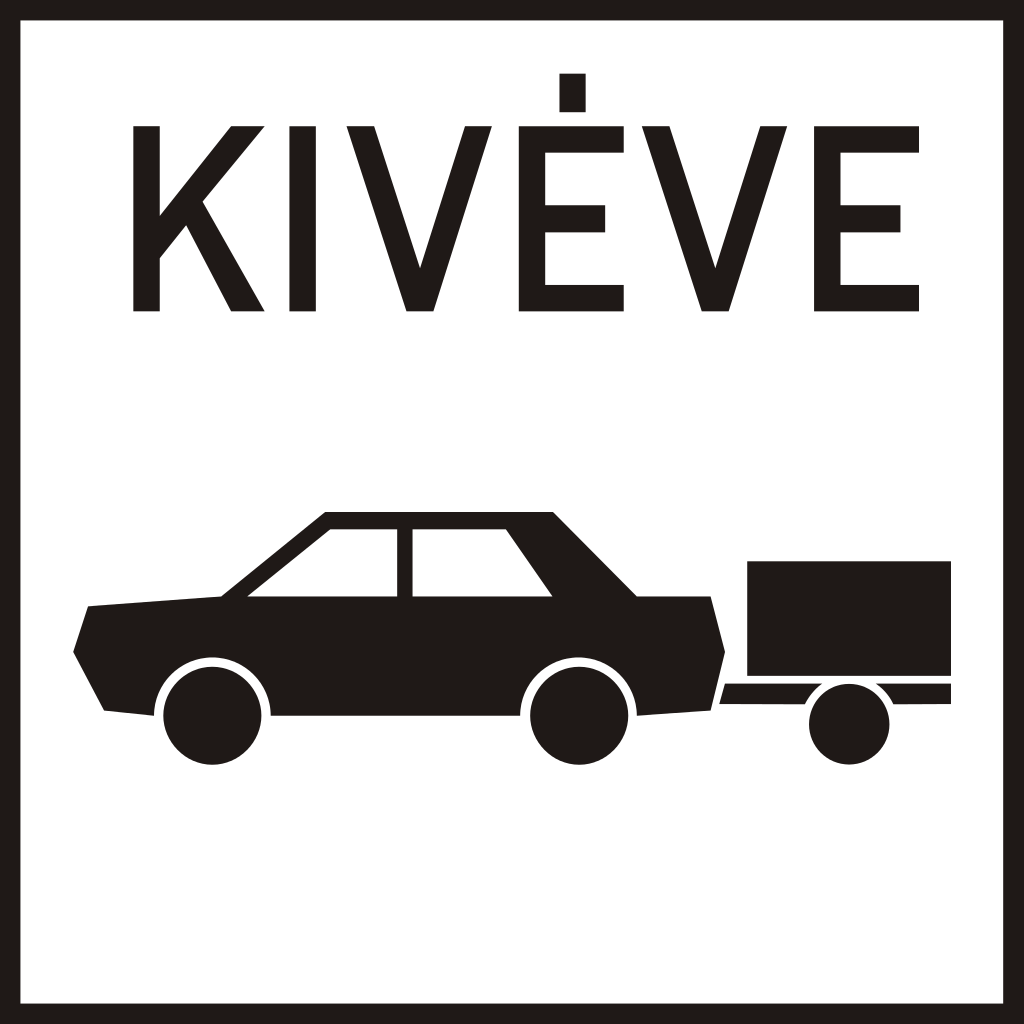
6. For cars towing a trailer
This supplementary sign indicates that the main traffic sign applies specifically to cars towing a trailer. The trailer categories covered by the sign depend on the applicable local definitions.
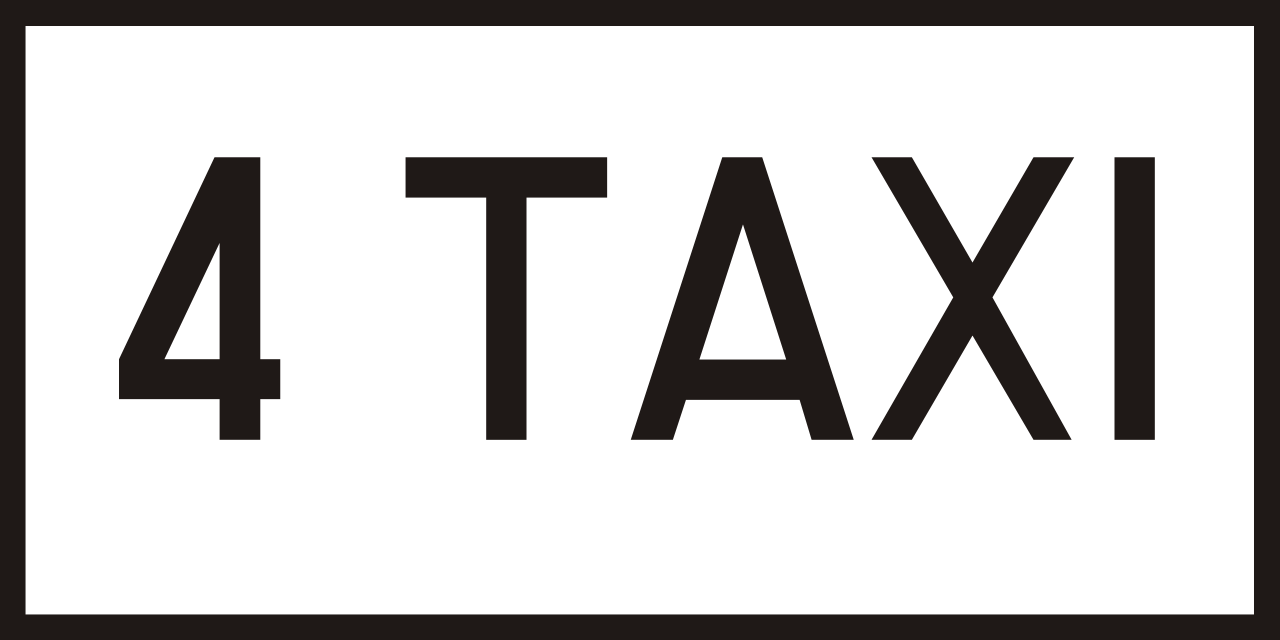
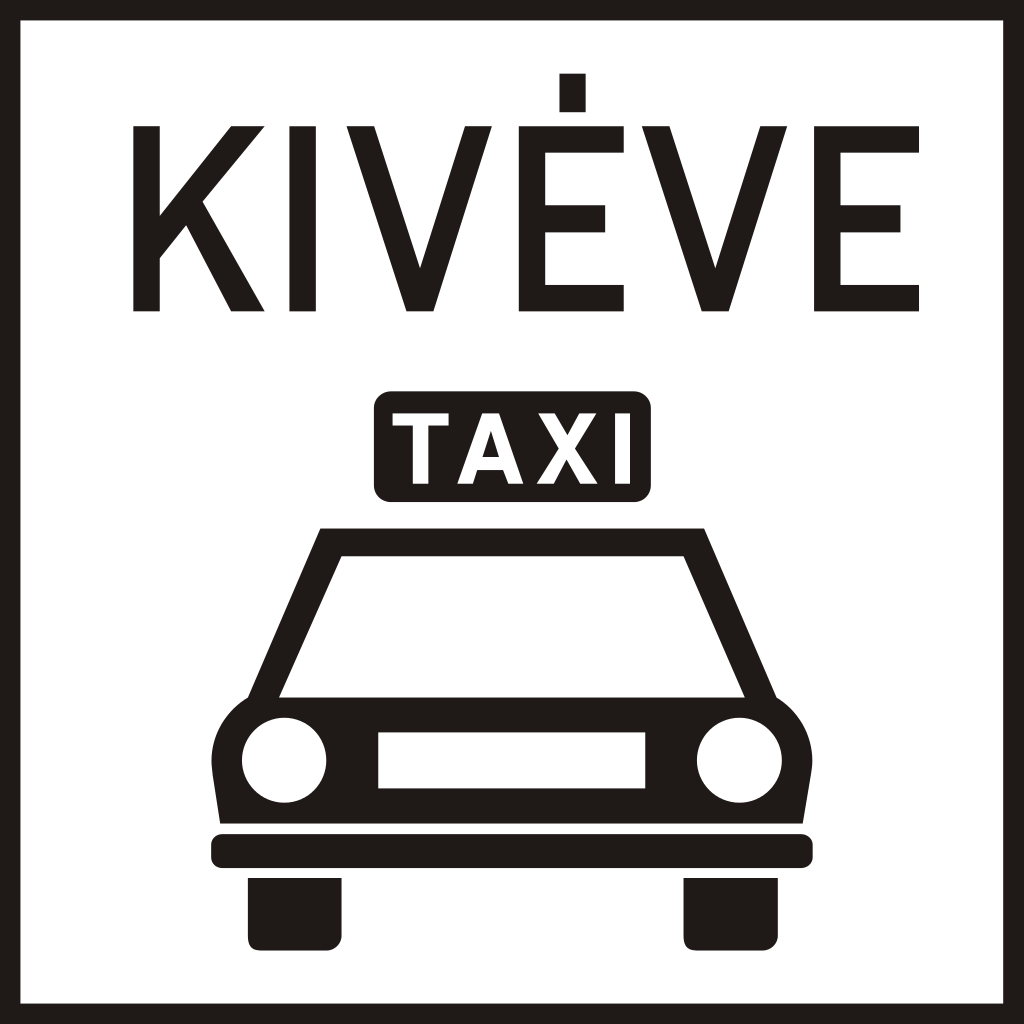
7. For taxis
This supplementary sign indicates that the main traffic sign applies specifically to taxis.
8. For toads
This supplementary sign indicates that the main traffic sign specifically concerns toads. Depending on the main sign, it may indicate a warning or other information relating to toads.
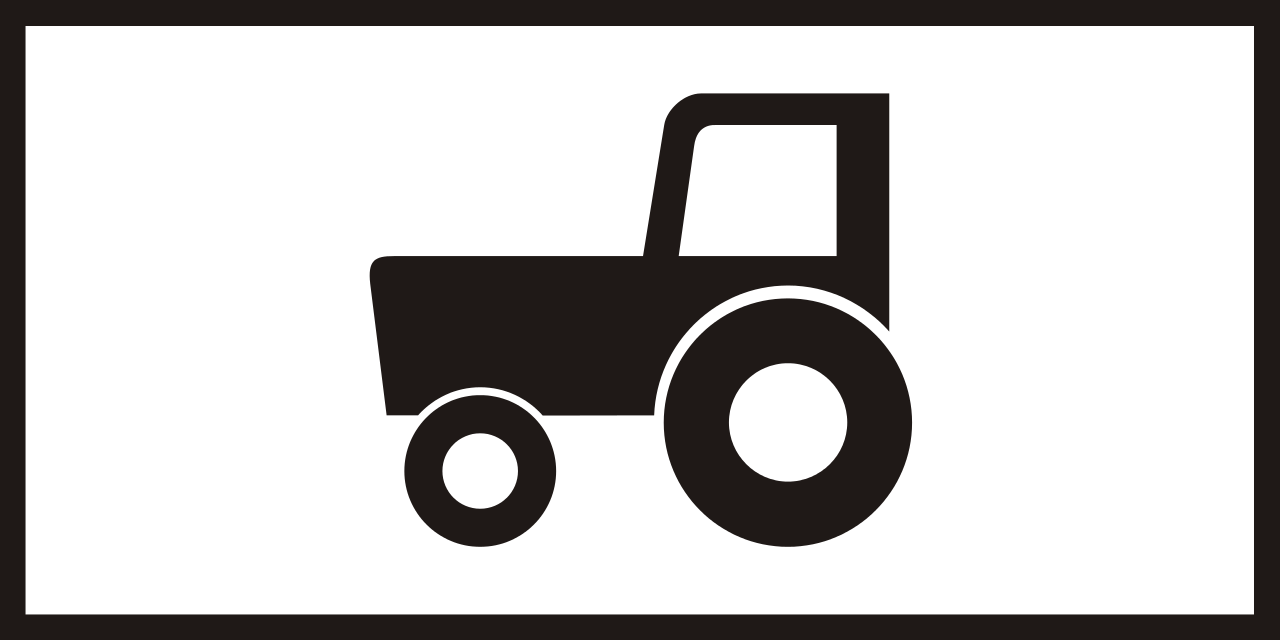
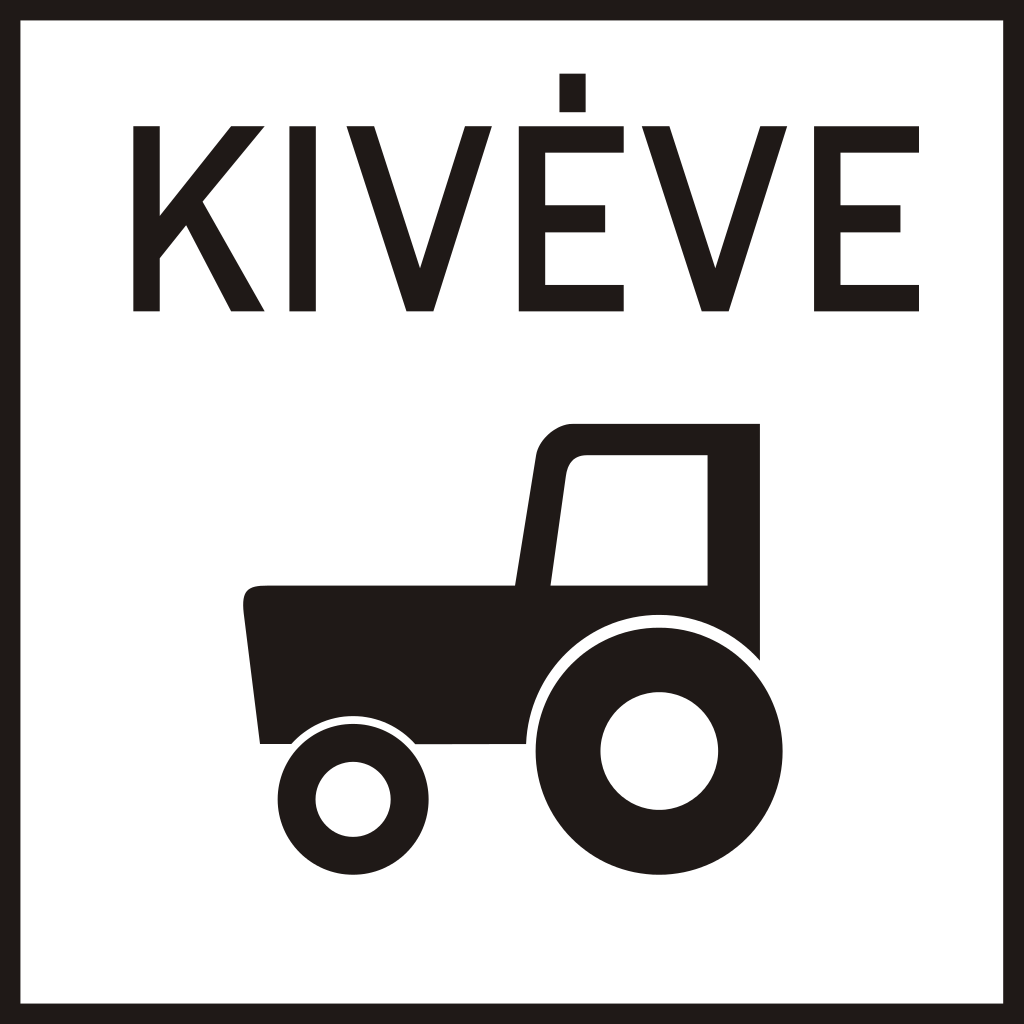
9. For tractors
This supplementary sign indicates that the main traffic sign applies specifically to tractors.
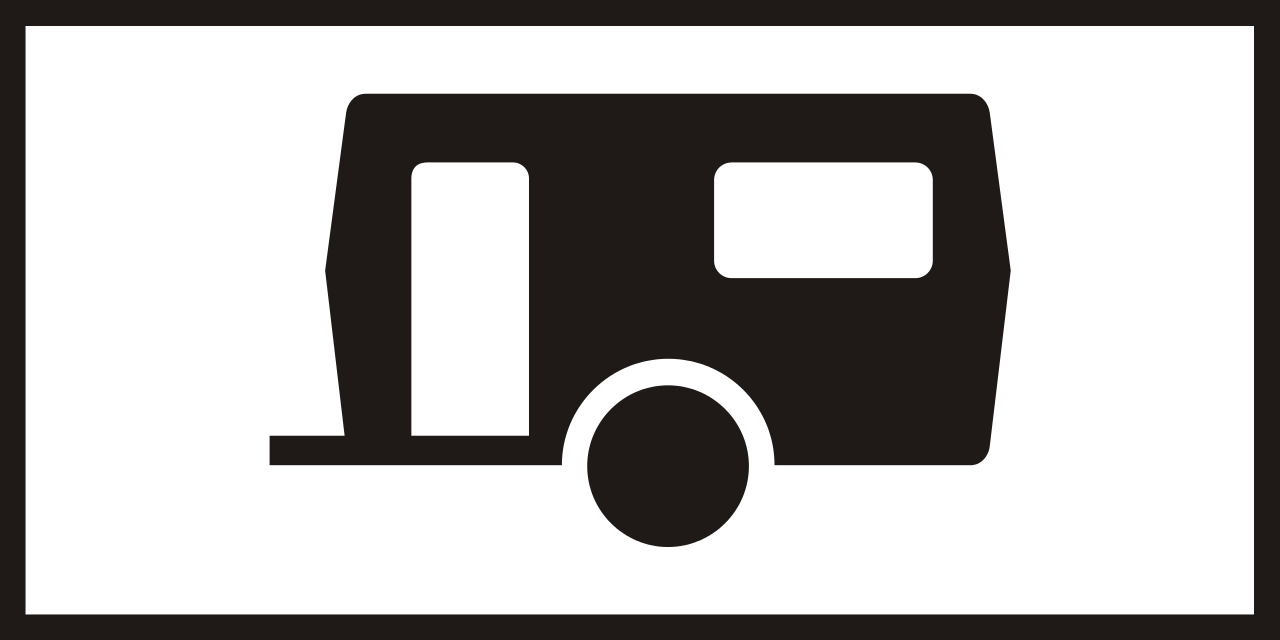
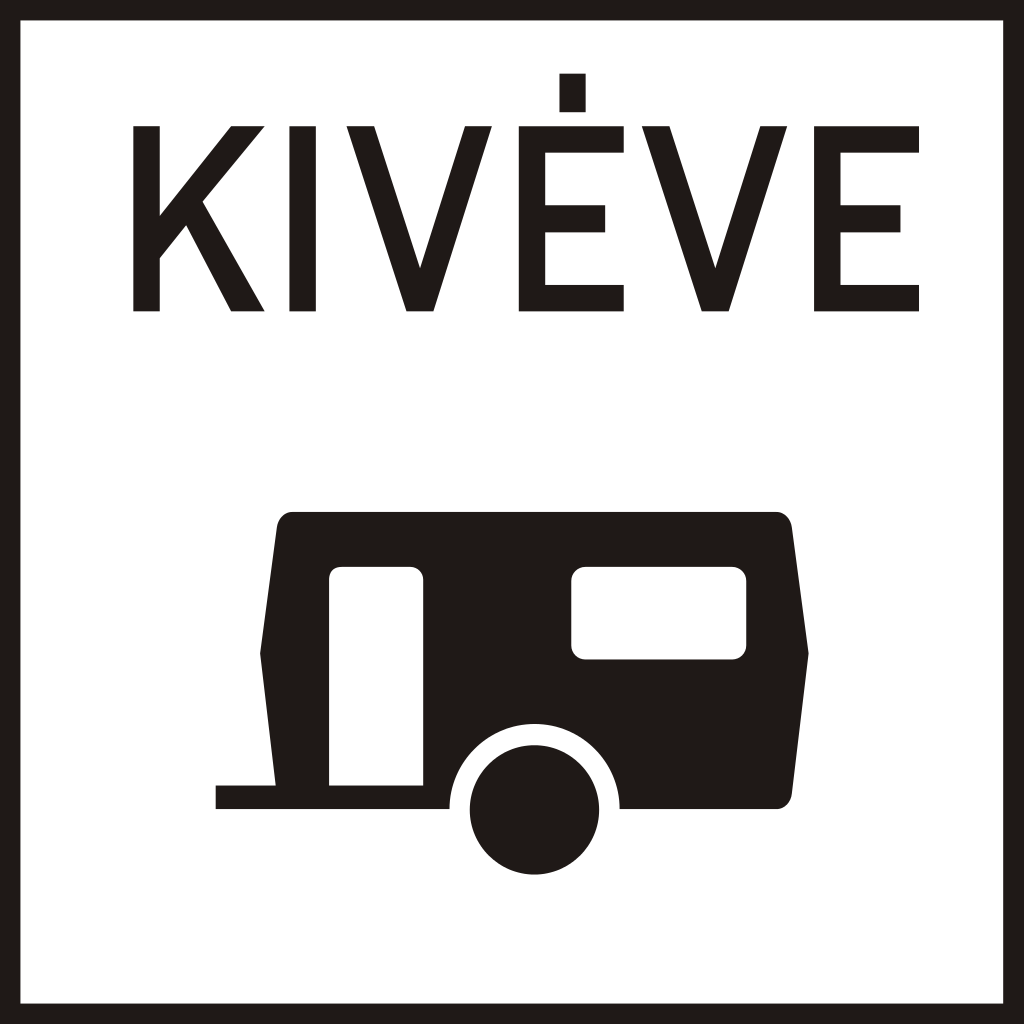
10. For caravans
This supplementary sign indicates that the main traffic sign applies specifically to caravans. The caravan categories covered depend on the applicable local definitions.
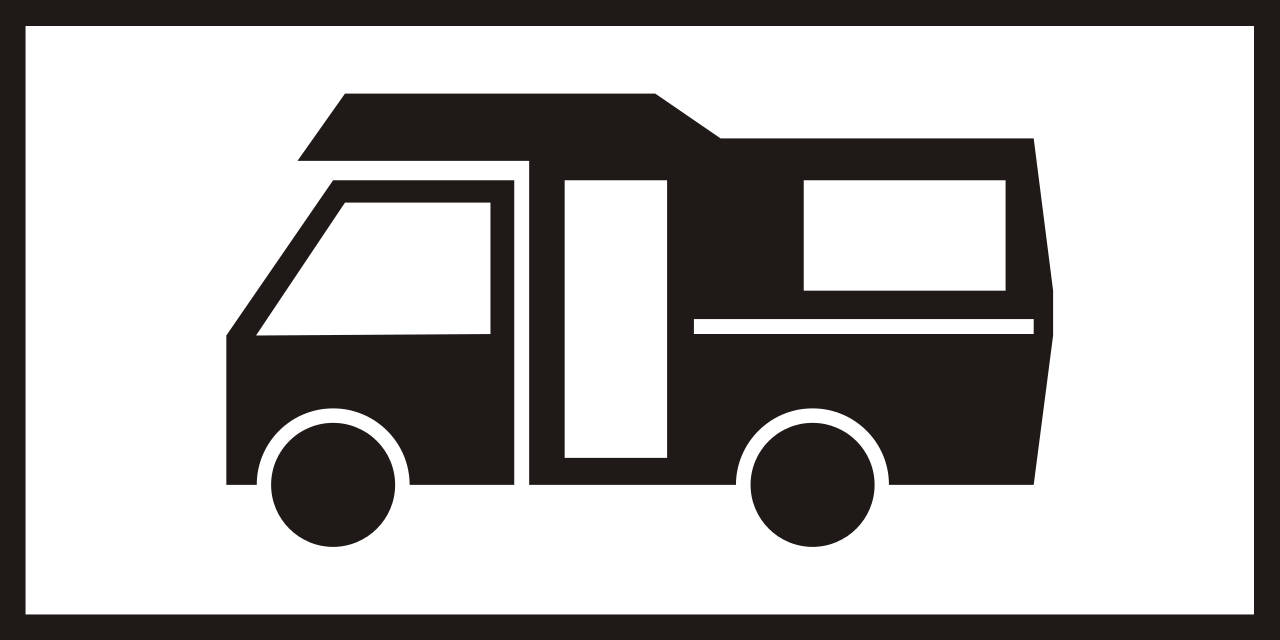
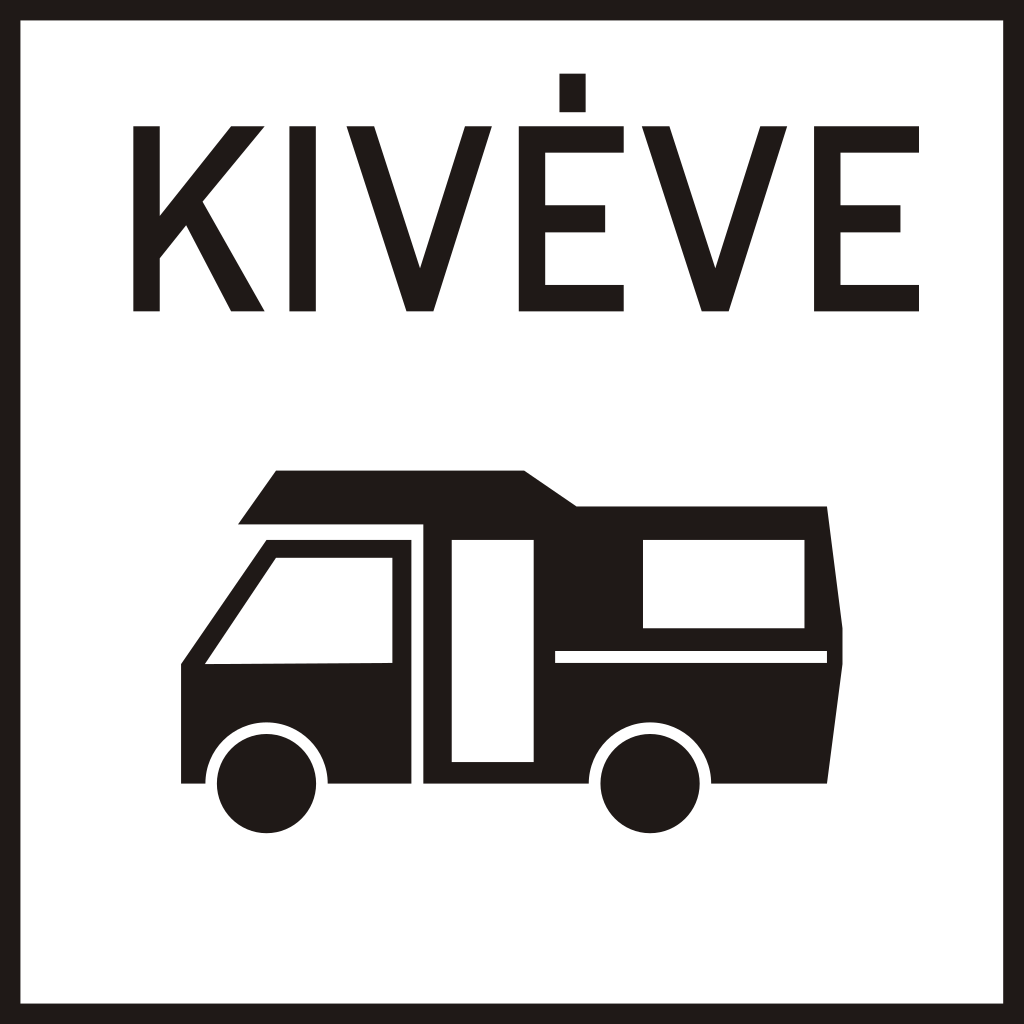
11. For recreational vehicles
This supplementary sign indicates that the main traffic sign applies specifically to recreational vehicles. The vehicle categories covered depend on the applicable local definitions.
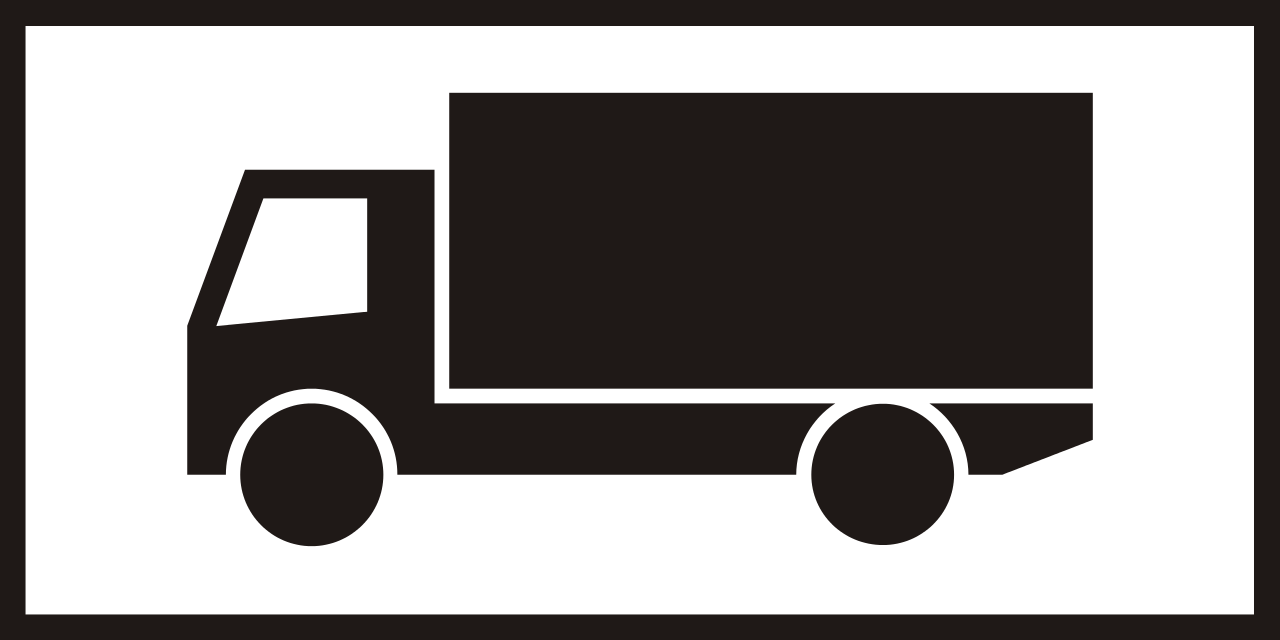
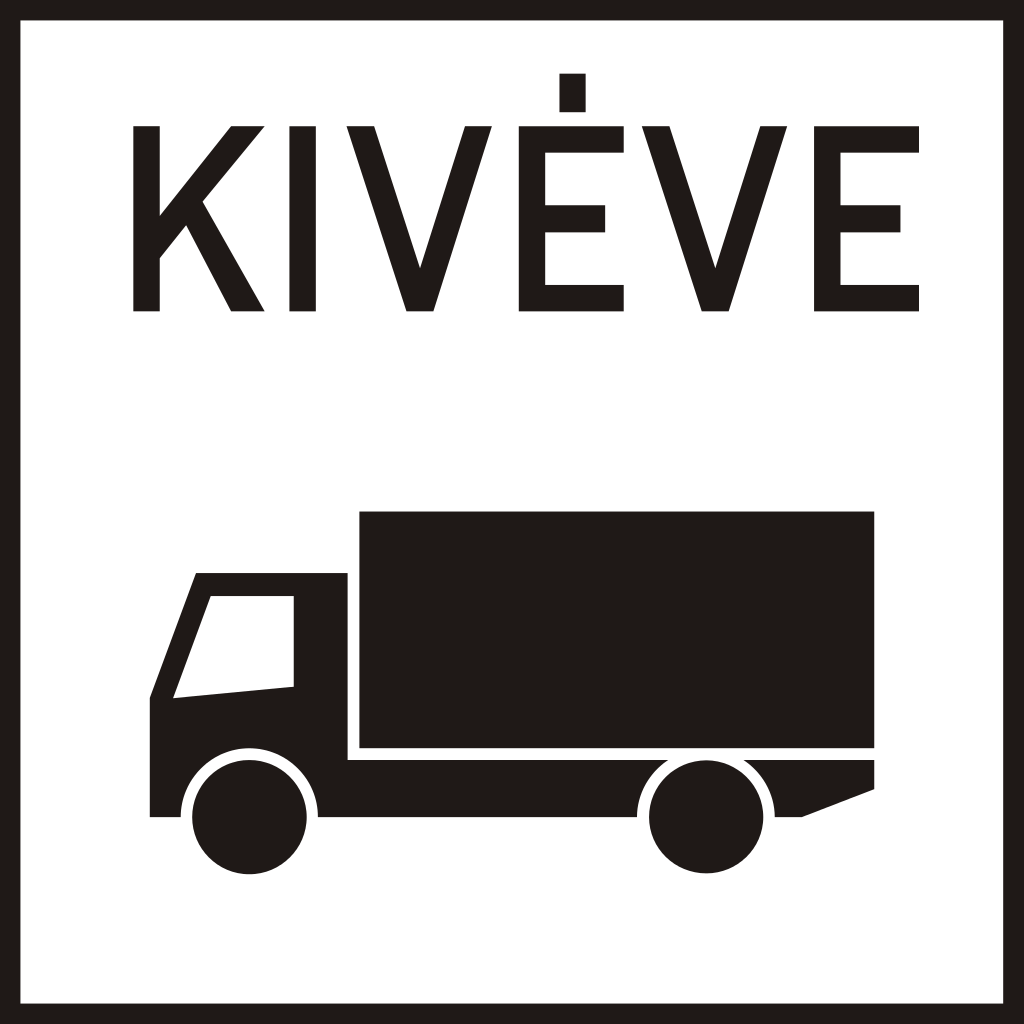
12. For trucks
This supplementary sign indicates that the main traffic sign applies specifically to trucks. The truck categories covered depend on the applicable local definitions.
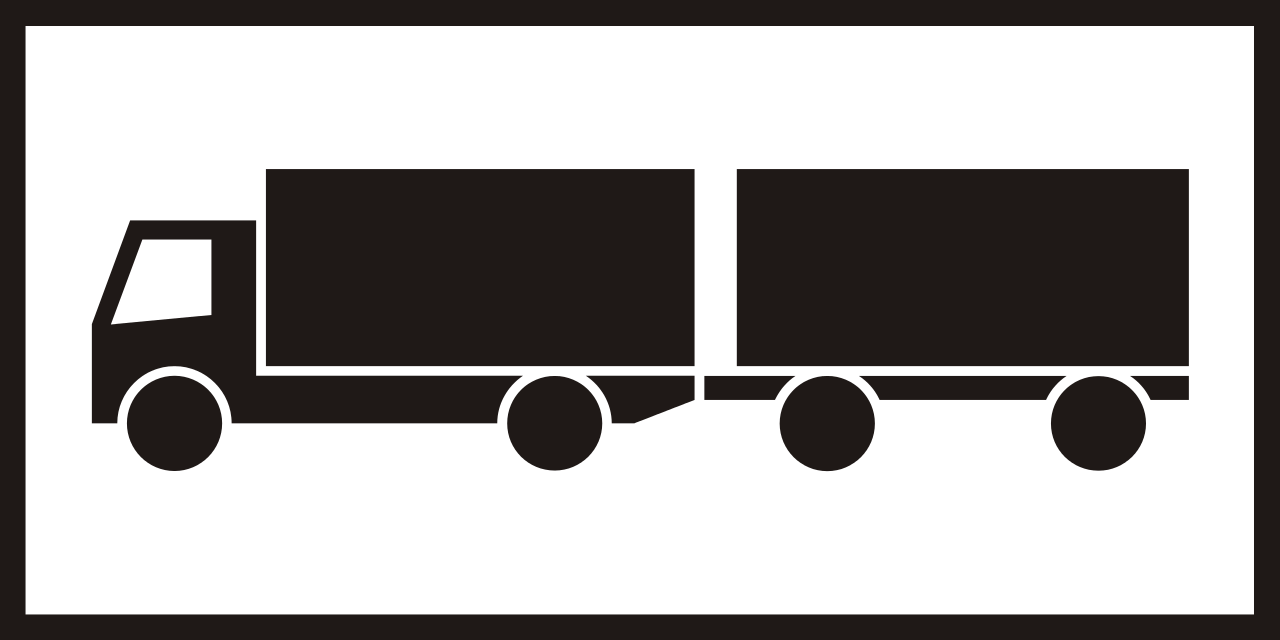
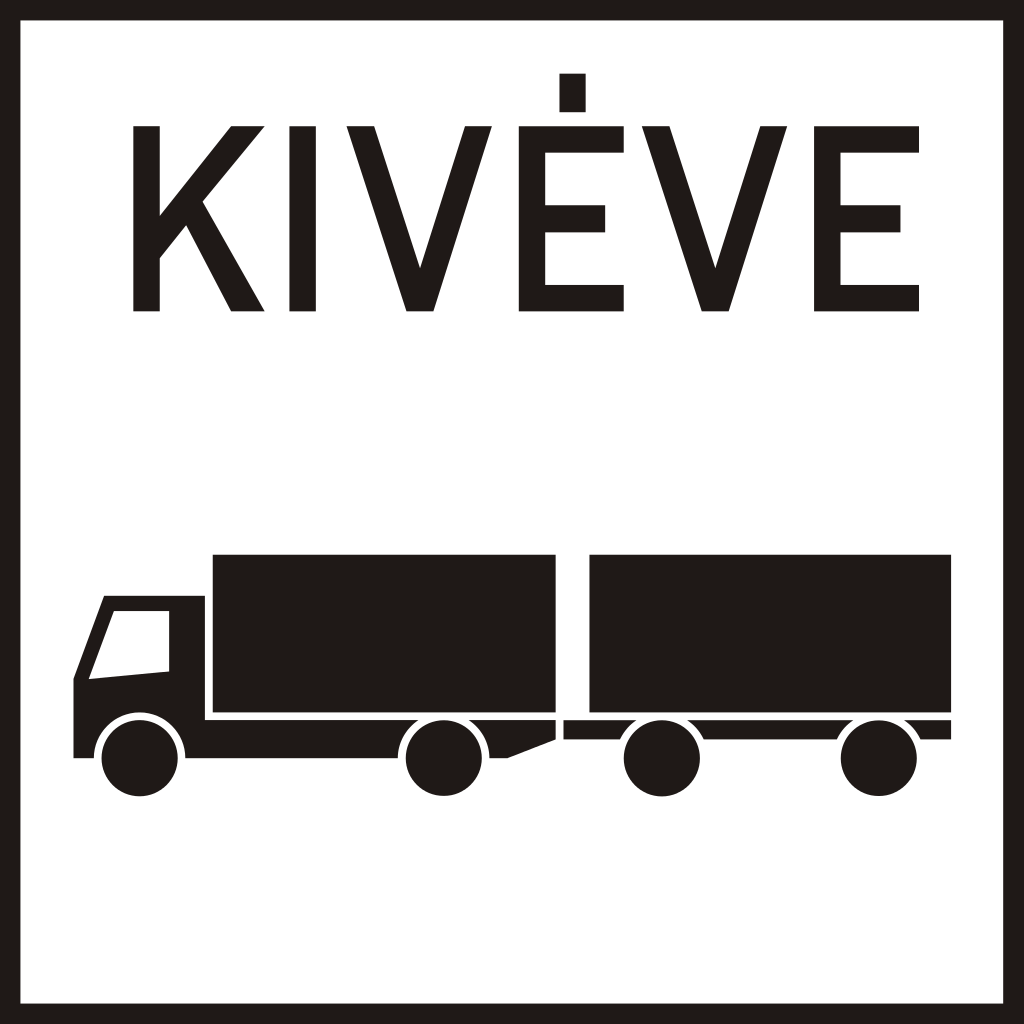
13. For trucks towing a trailer
This supplementary sign indicates that the main traffic sign applies specifically to trucks towing a trailer.
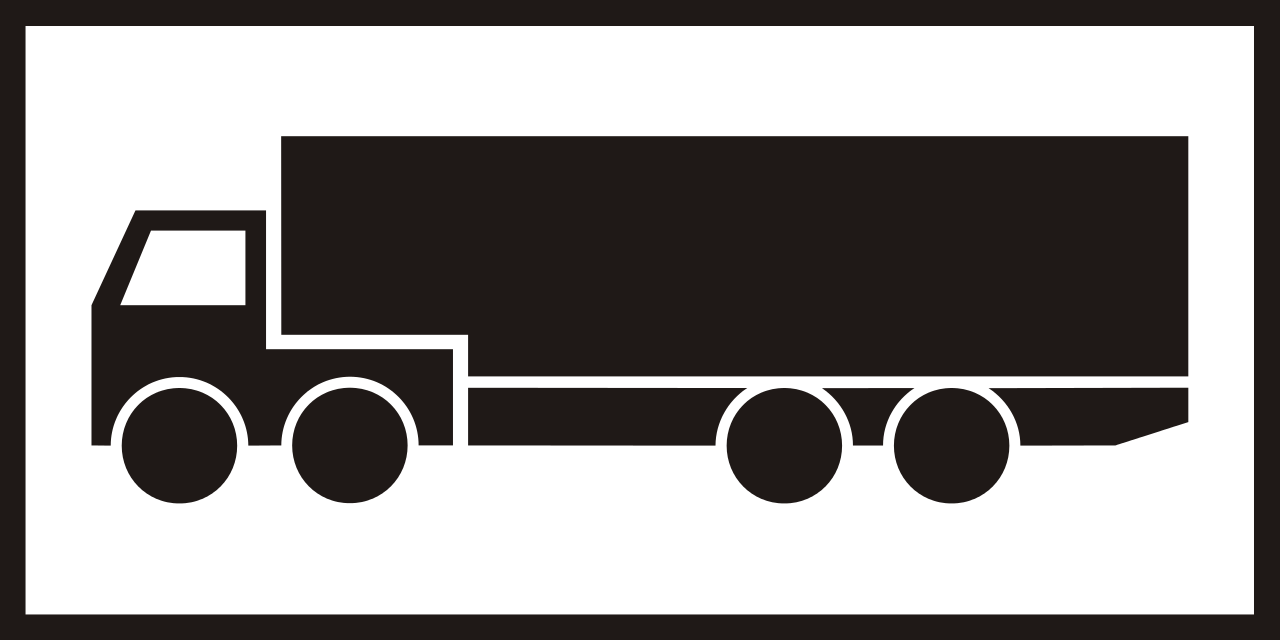
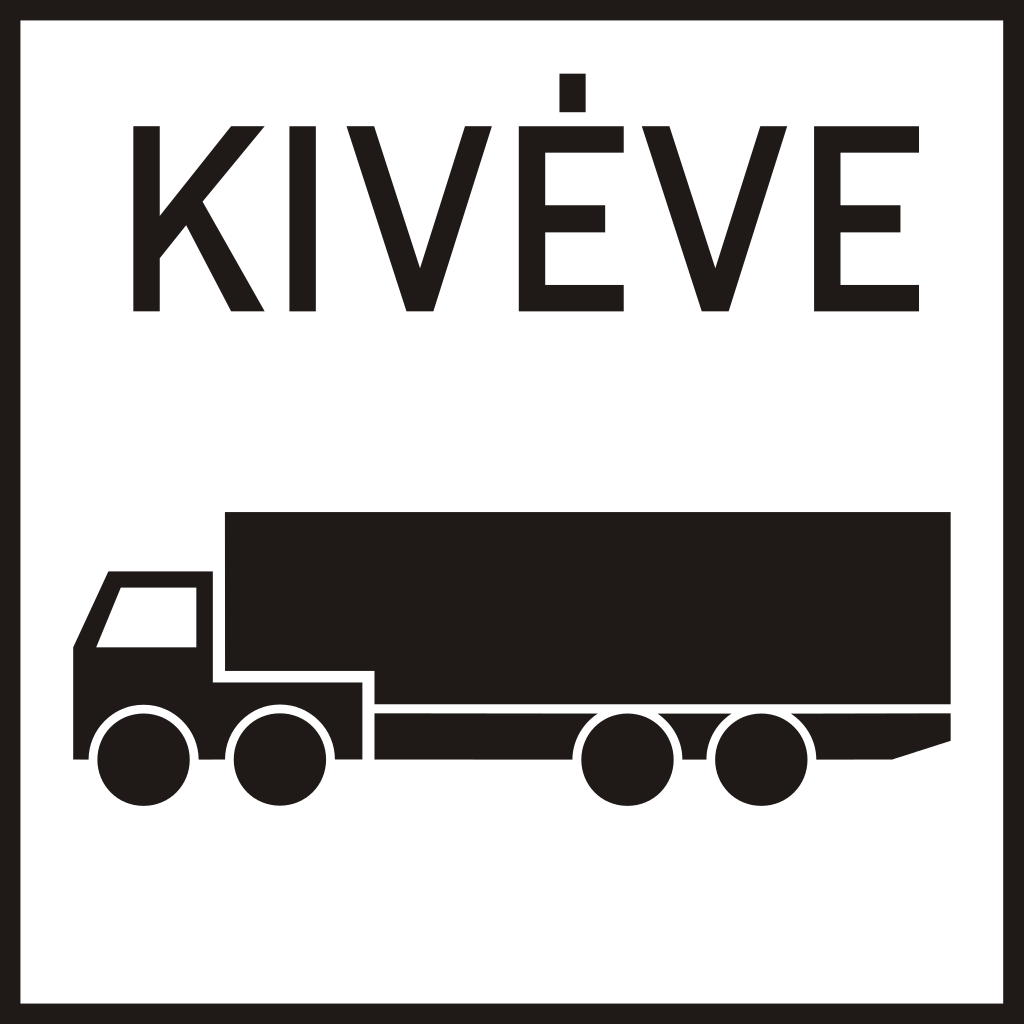
14. For articulated trucks
This supplementary sign indicates that the main traffic sign applies specifically to articulated trucks. The vehicle combinations covered depend on the applicable local definitions.
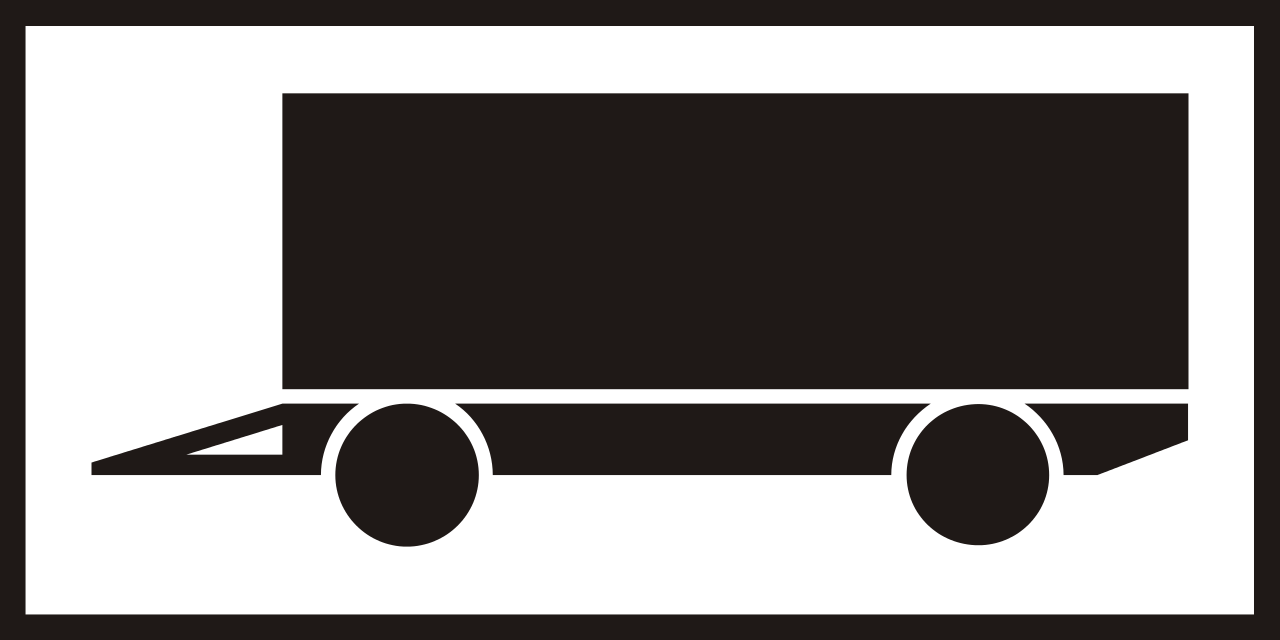
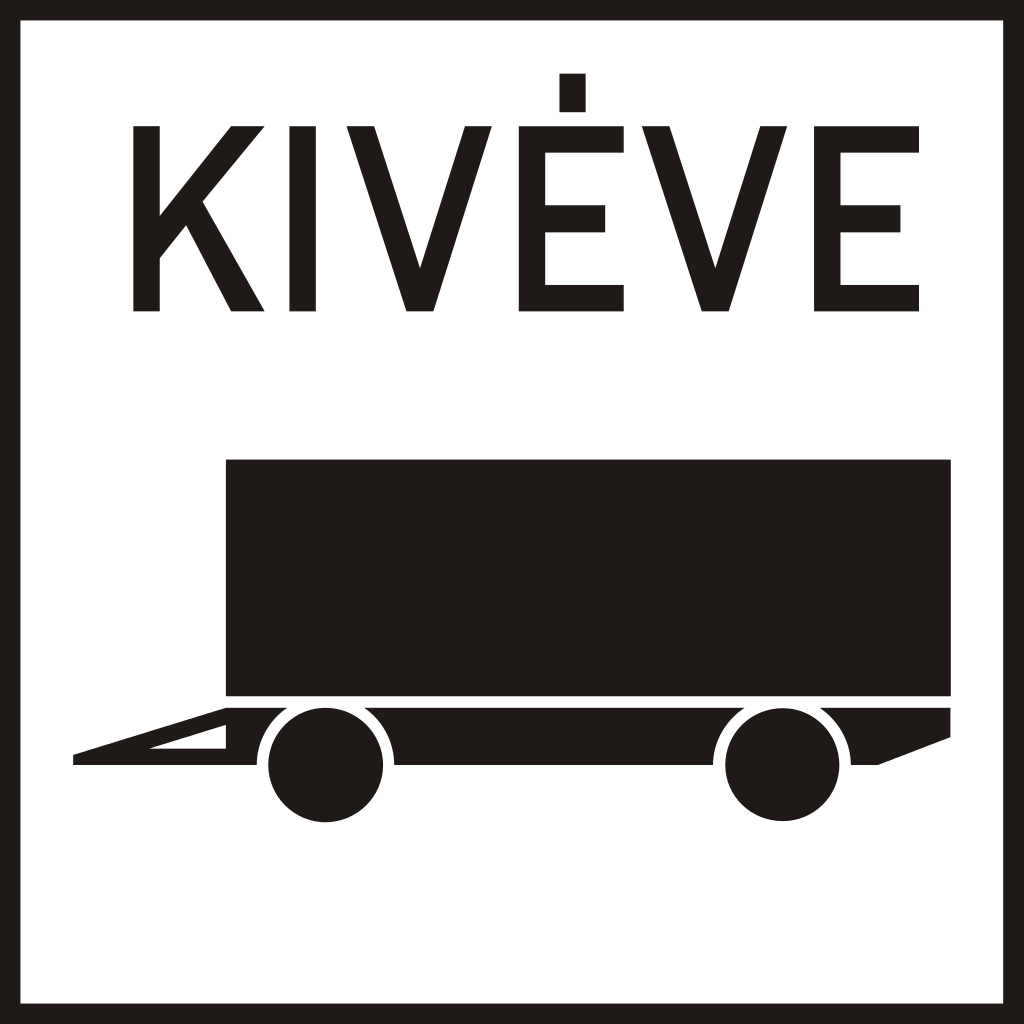
15. For large trailers
This supplementary sign indicates that the main traffic sign applies specifically to large trailers. The size, mass or trailer categories covered depend on the applicable local definitions.
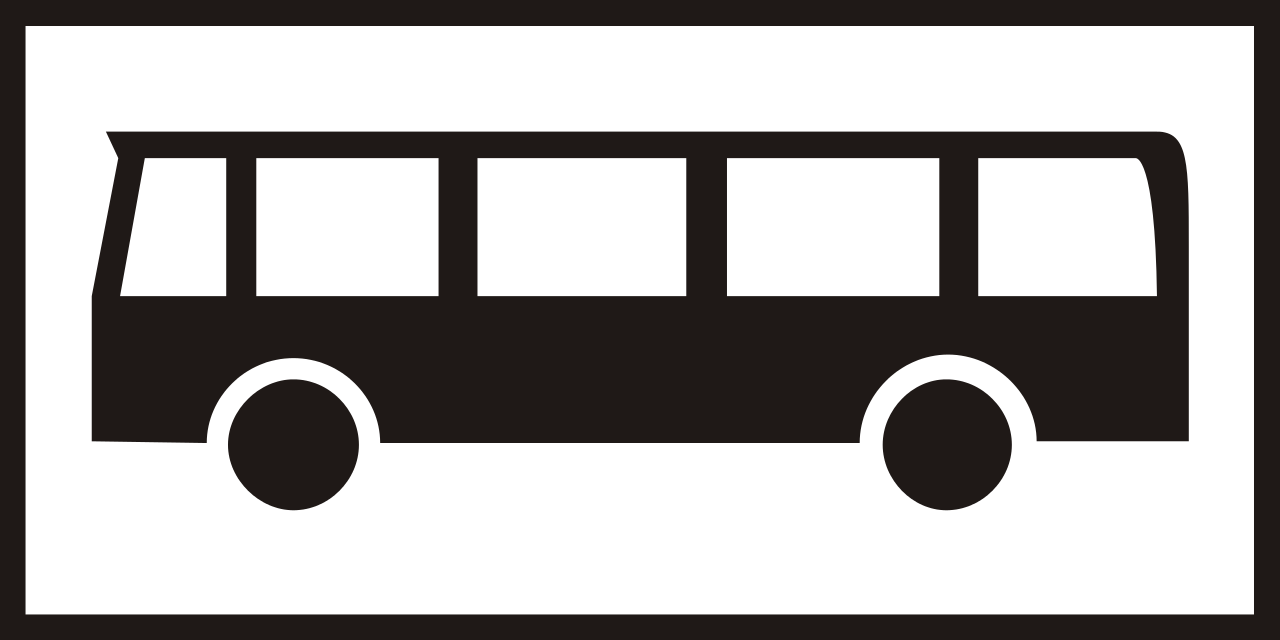
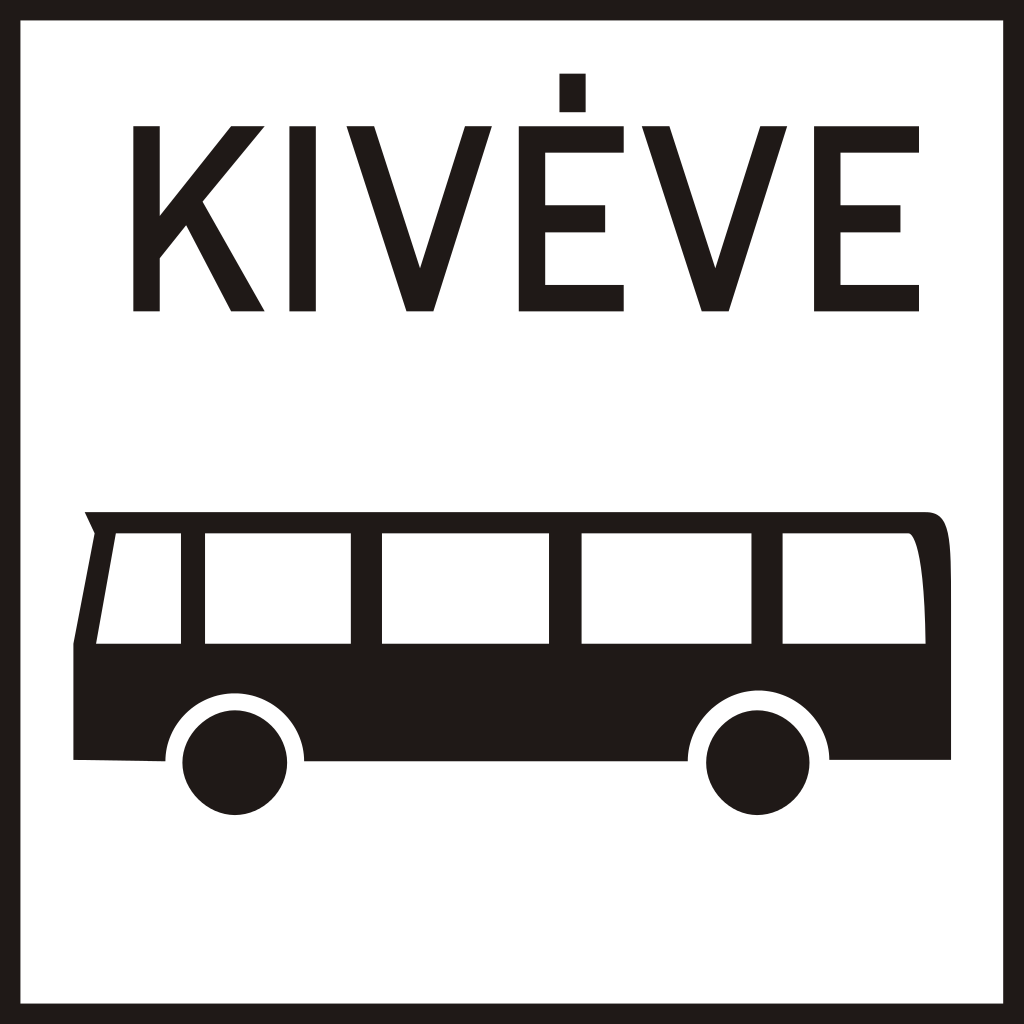
16. For buses
This supplementary sign indicates that the main traffic sign applies specifically to buses. The vehicle categories covered depend on the applicable local definitions.
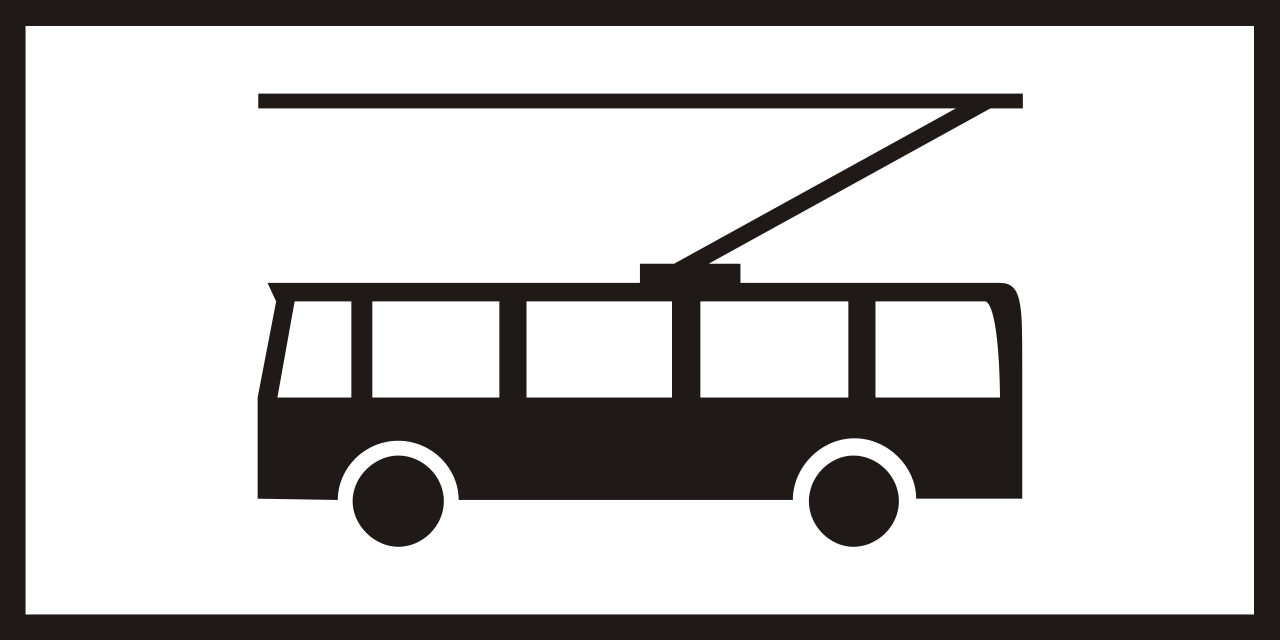
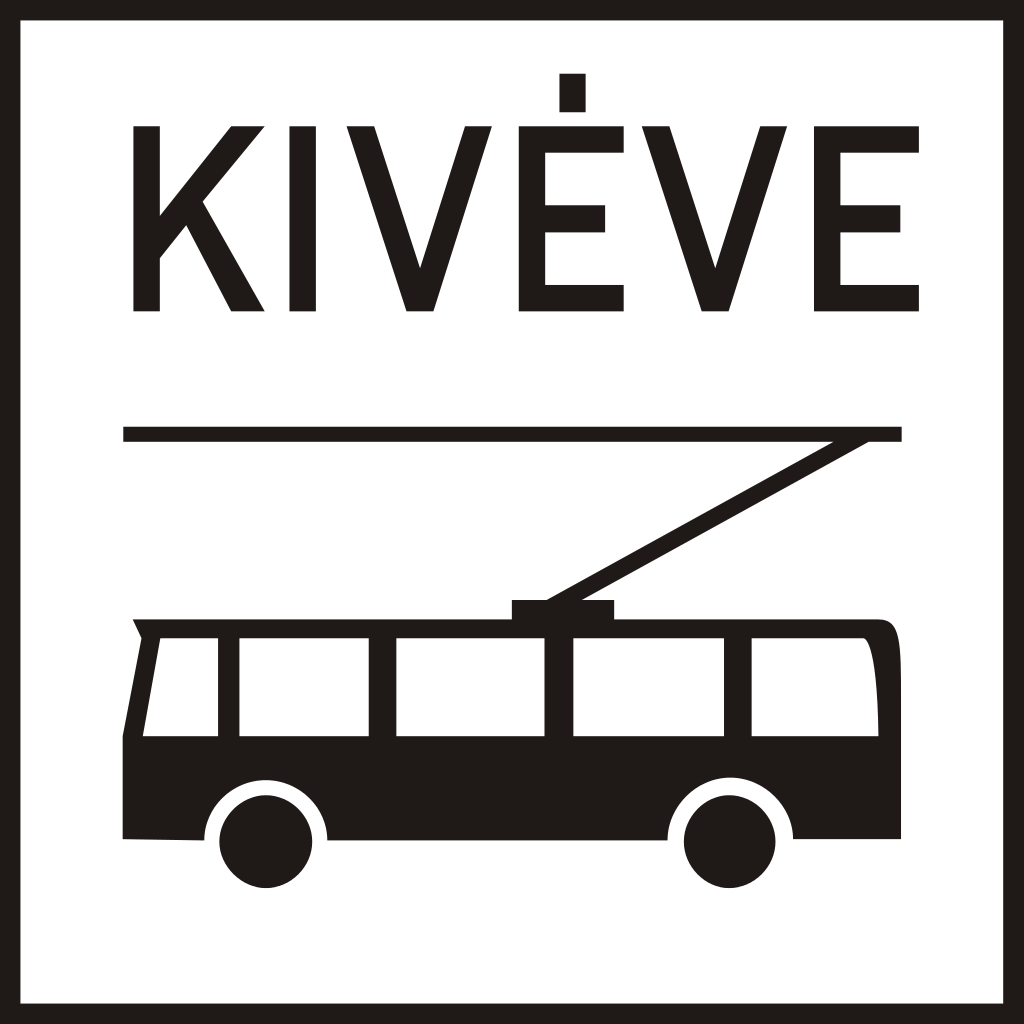
17. For trolleybuses
This supplementary sign indicates that the main traffic sign applies specifically to trolleybuses. A trolleybus is an electrically powered bus that normally receives power from overhead wires.
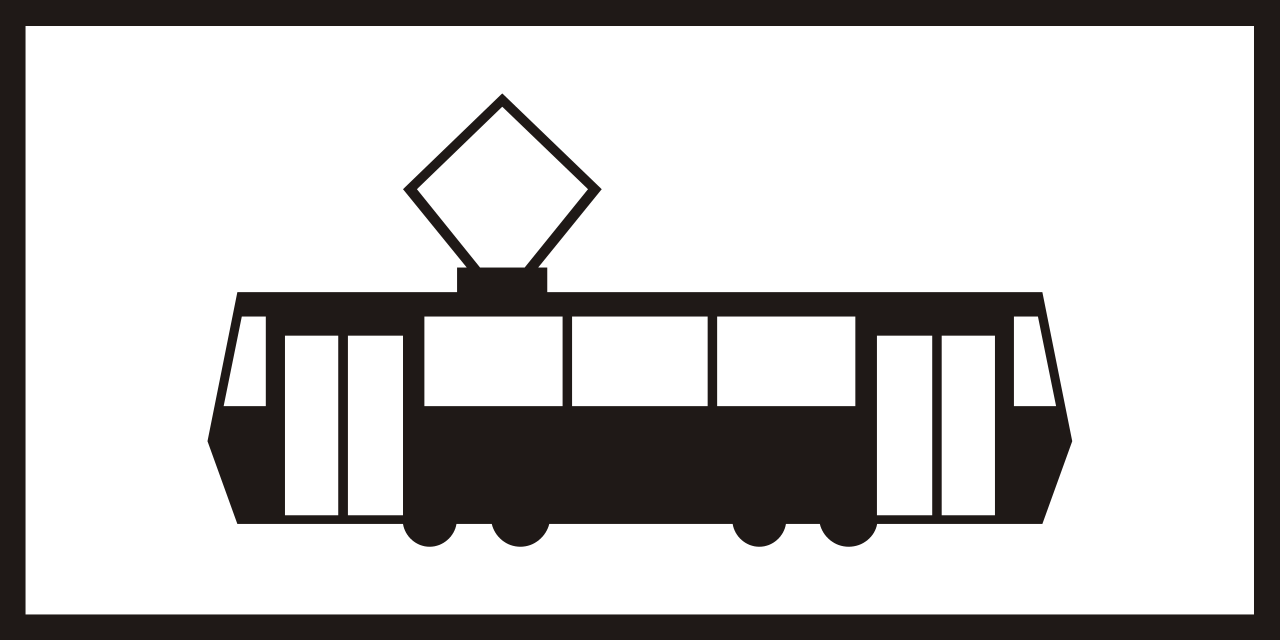
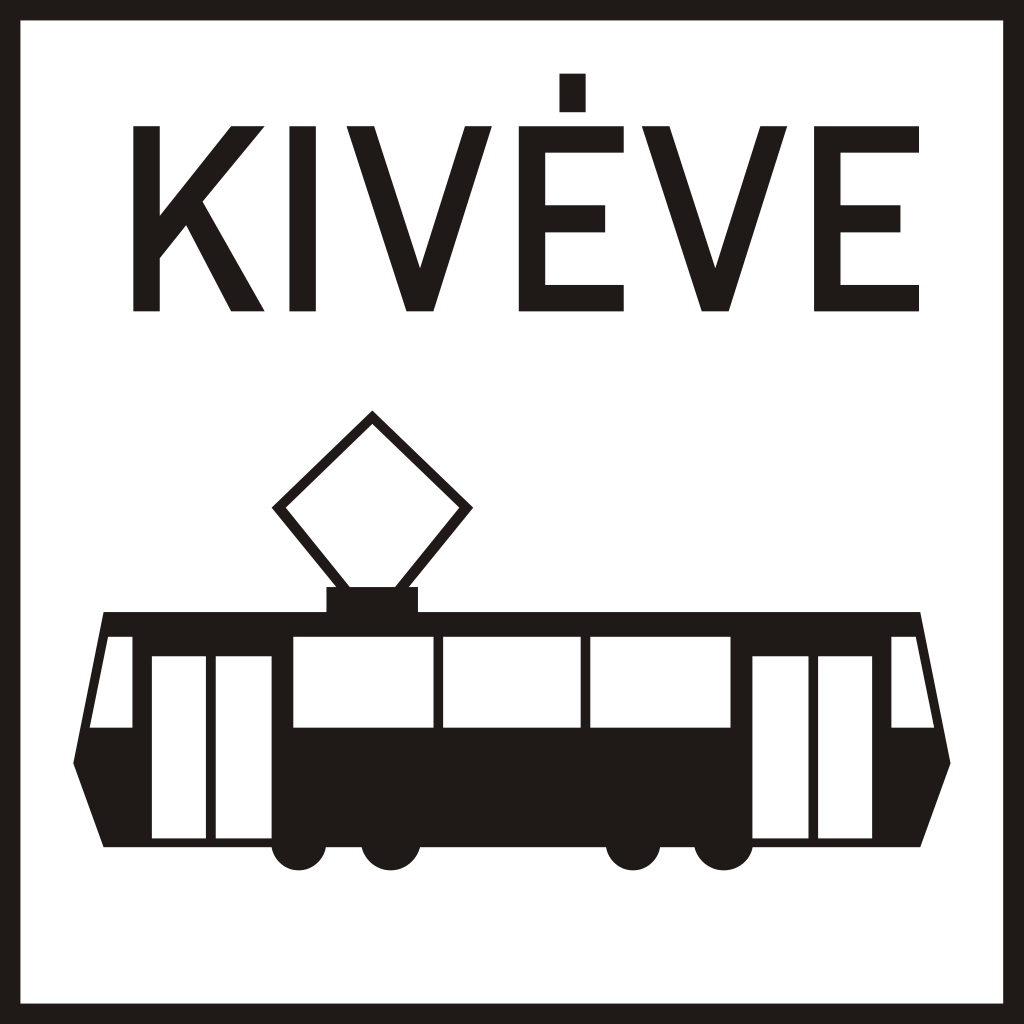
18. For trams
This supplementary sign indicates that the main traffic sign applies specifically to trams.
19. People with disabilities excepted
This supplementary sign indicates that people with disabilities are excepted from the restriction shown by the main traffic sign. Any permit or eligibility requirements depend on the applicable local rules.
20. Cyclists allowed
This supplementary sign indicates that cyclists are allowed where the main traffic sign would otherwise restrict their access or use.
21. Mopeds allowed
This supplementary sign indicates that mopeds are allowed where the main traffic sign would otherwise restrict their access or use. The moped categories covered depend on the applicable local rules.
22. Motorcycles allowed
This supplementary sign indicates that motorcycles are allowed where the main traffic sign would otherwise restrict their access or use.
23. Cars allowed
This supplementary sign indicates that cars are allowed where the main traffic sign would otherwise restrict their access or use.
24. Cars towing a trailer allowed
This supplementary sign indicates that cars towing a trailer are allowed where the main traffic sign would otherwise restrict their access or use.
25. Taxis allowed
This supplementary sign indicates that taxis are allowed where the main traffic sign would otherwise restrict their access or use. The vehicles qualifying as taxis depend on the applicable local rules.
26. Tractors allowed
This supplementary sign indicates that tractors are allowed where the main traffic sign would otherwise restrict their access or use.
27. Caravans allowed
This supplementary sign indicates that vehicles towing caravans are allowed where the main traffic sign would otherwise restrict their access or use. Other trailer or recreational-vehicle categories are not necessarily covered.
28. Recreational vehicles allowed
This supplementary sign indicates that recreational vehicles are allowed where the main traffic sign would otherwise restrict their access or use. The vehicle categories covered depend on the applicable local definitions.
29. Trucks allowed
This supplementary sign indicates that trucks are allowed where the main traffic sign would otherwise restrict their access or use. The truck categories covered depend on the applicable local definitions.
30. Trucks towing a trailer allowed
This supplementary sign indicates that trucks towing a trailer are allowed where the main traffic sign would otherwise restrict their access or use.
31. Articulated trucks allowed
This supplementary sign indicates that articulated trucks are allowed where the main traffic sign would otherwise restrict their access or use. The vehicle combinations covered depend on the applicable local definitions.
32. Large trailers allowed
This supplementary sign indicates that vehicles towing large trailers are allowed where the main traffic sign would otherwise restrict their access or use. The size or mass criteria depend on the applicable local rules.
33. Buses allowed
This supplementary sign indicates that buses are allowed where the main traffic sign would otherwise restrict their access or use. The bus categories covered depend on the applicable local definitions.
34. Trolleybuses allowed
This supplementary sign indicates that trolleybuses are allowed where the main traffic sign would otherwise restrict their access or use.
35. Trams allowed
This supplementary sign indicates that trams are allowed where the main traffic sign would otherwise restrict their access or use.
36. Local buses allowed
This supplementary sign indicates that local buses are allowed where the main traffic sign would otherwise restrict their access or use. The buses qualifying as local services depend on the applicable local rules.
37. Emergency vehicles allowed
This supplementary sign indicates that emergency vehicles are allowed where the main traffic sign would otherwise restrict their access or use. The emergency-vehicle categories covered depend on the applicable local rules.
38. Delivery vehicles allowed
This supplementary sign indicates that delivery vehicles are allowed where the main traffic sign would otherwise restrict their access, use or parking. The vehicles and activities covered depend on the applicable local rules.
39. Vehicles with permission allowed
This supplementary sign indicates that vehicles with the required permission or authorisation are allowed where the main traffic sign would otherwise restrict access or use. The required permission depends on the applicable local rules.
40. Local traffic allowed
This supplementary sign indicates that local traffic is allowed where the main traffic sign would otherwise restrict access. Which journeys or road users qualify as local traffic depends on the applicable local rules.
41. Traffic from both directions
This supplementary sign indicates that traffic may approach from both directions on the road or traffic stream concerned by the main sign.
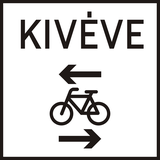
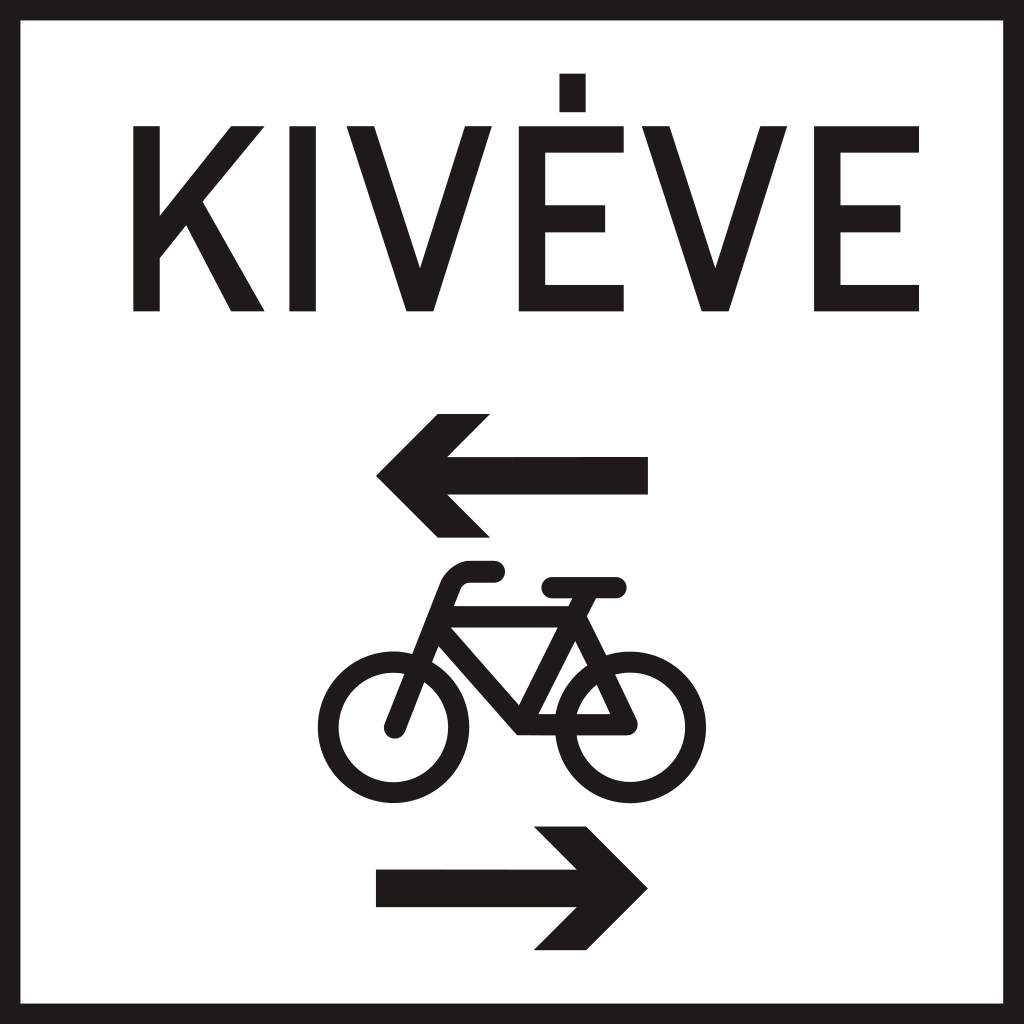
42. Cyclists from both directions
This supplementary sign indicates that cyclists may approach from both directions on the road or cycle path concerned by the main sign.
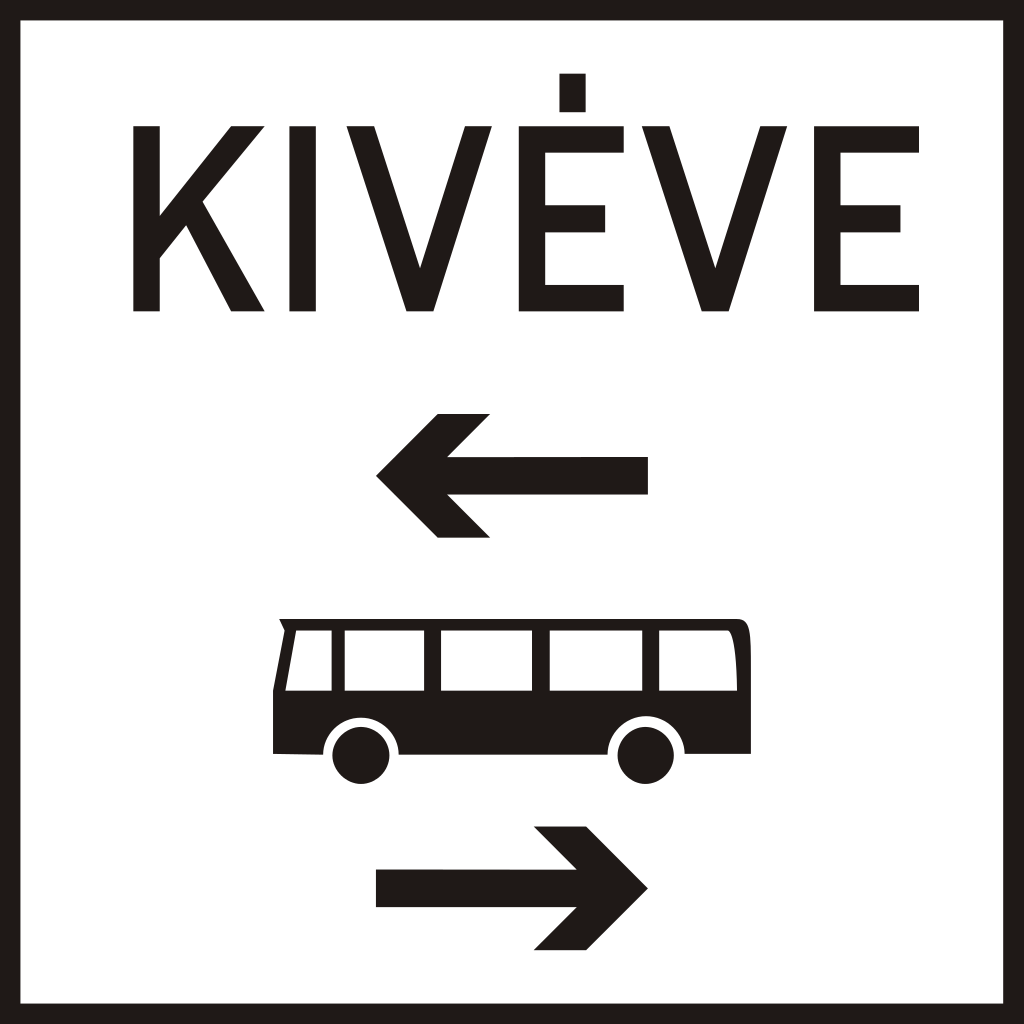
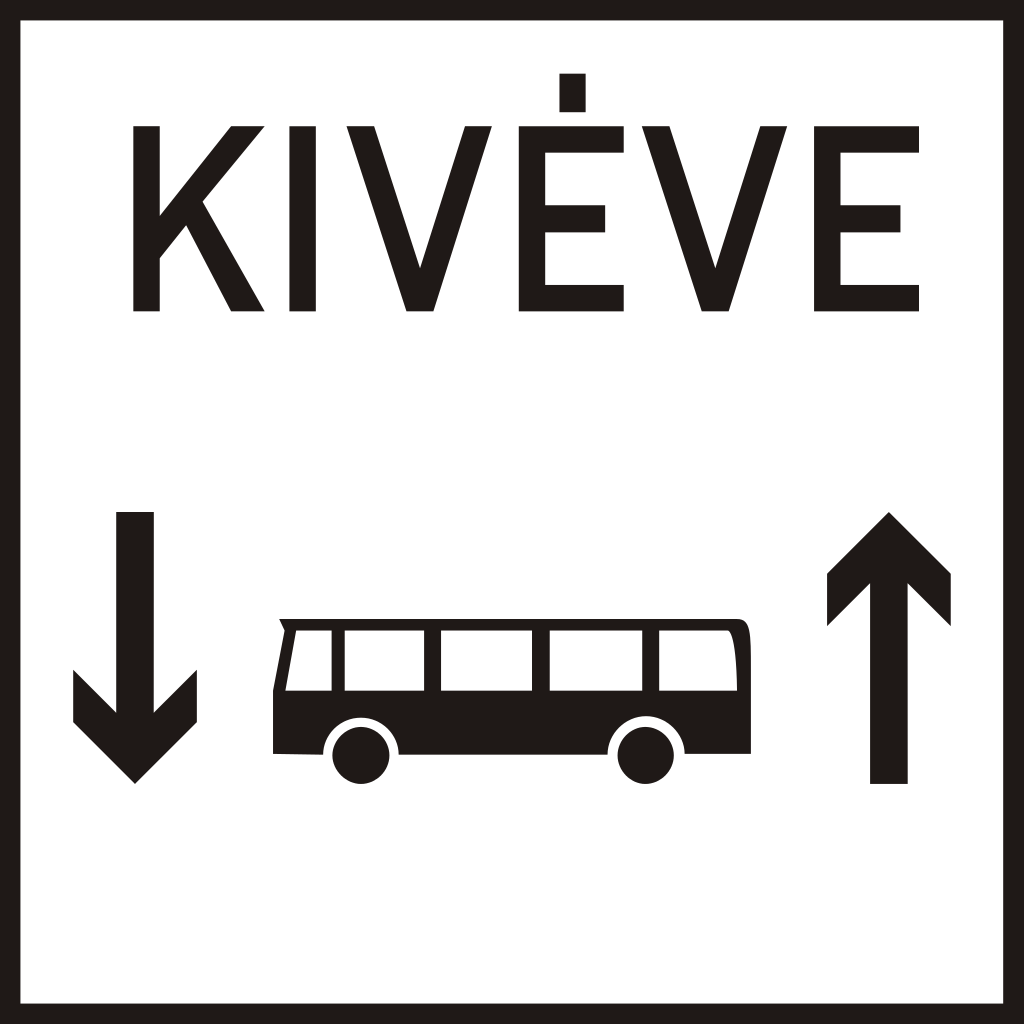
43. Buses from both directions
This supplementary sign indicates that buses may approach from both directions on the road or lane concerned by the main sign.
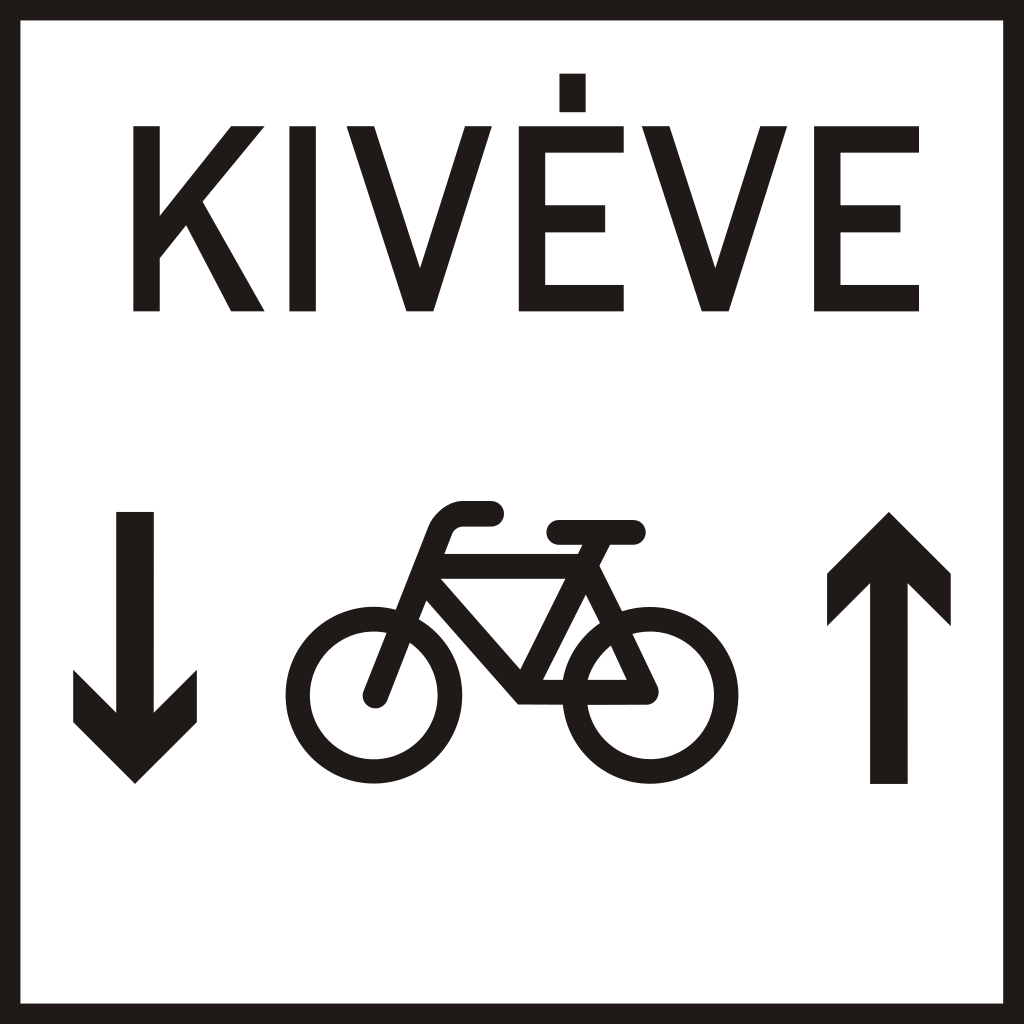
44. Cyclists in both directions
This supplementary sign indicates that cyclists travel in both directions on the road, lane or cycle path concerned by the main sign.
45. Buses in both directions
This supplementary sign indicates that buses travel in both directions on the road or lane concerned by the main sign.
46. To the left
This supplementary sign indicates that the main traffic sign applies in the direction shown by the arrow, to the left.
47. To the left or right
This supplementary sign indicates that the main traffic sign applies in both directions shown by the arrows, to the left and right.
48. To the right
This supplementary sign indicates that the main traffic sign applies in the direction shown by the arrow, to the right.
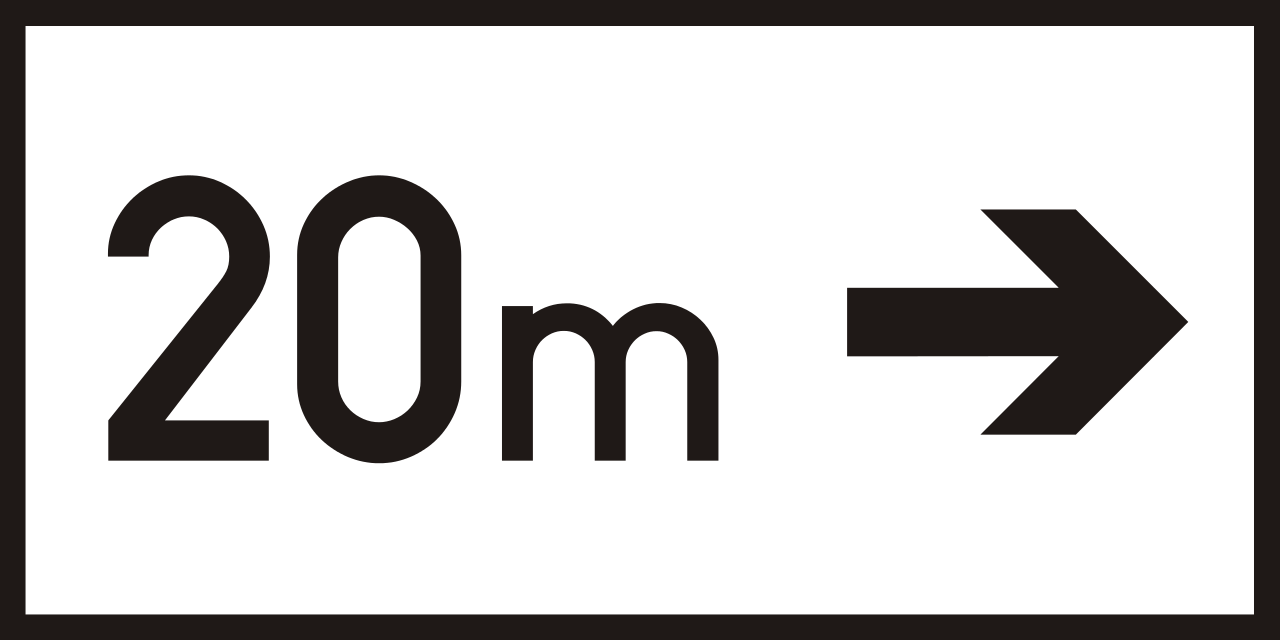
49. metres to the right
This supplementary sign indicates that the main traffic sign refers to a location the indicated distance to the right.
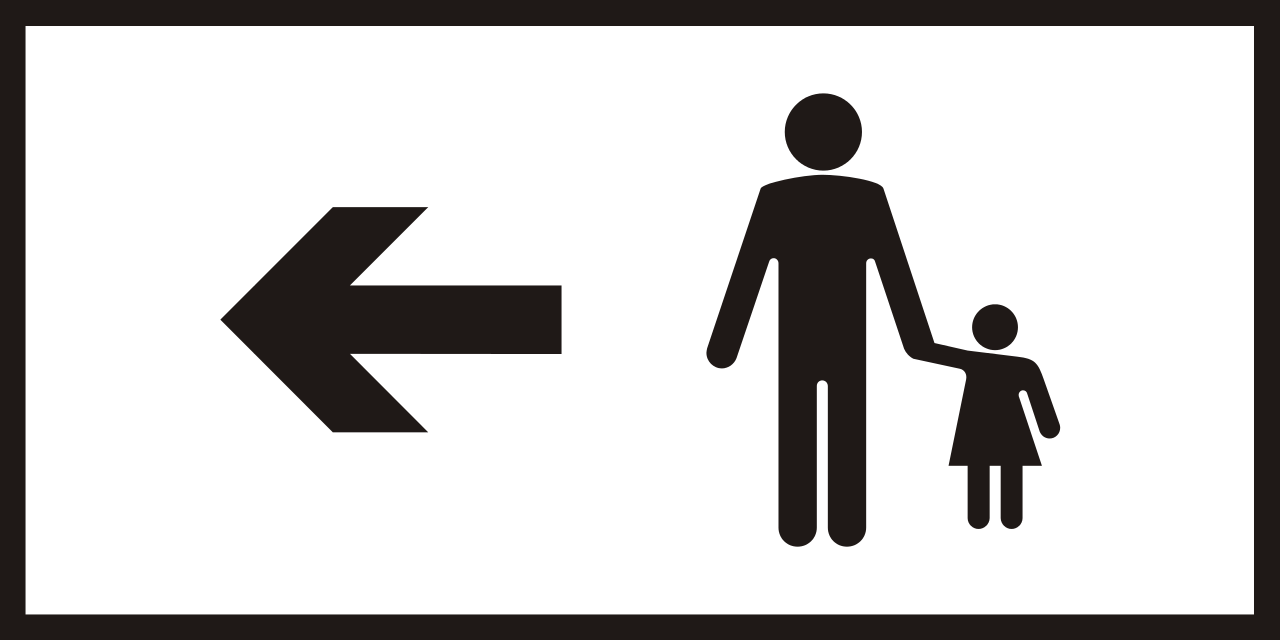
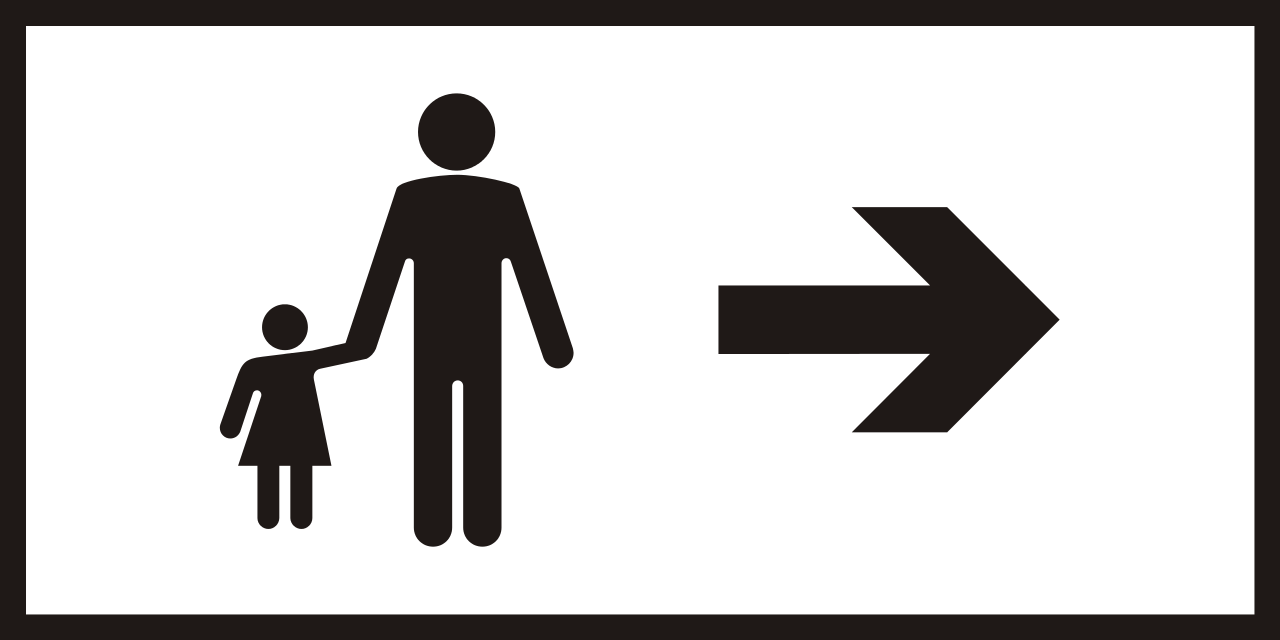
50. Pavement on the left
This supplementary sign indicates that the pavement or pedestrian path is on the left in relation to the main traffic sign.