Traffic signsIreland
 Traffic rules
 Ireland
 Priority signs
 Warning signs
 Prohibitory signs
 Mandatory signs
 Information signs
 Additional signs
Traffic signs
A traffic sign is a standardised visual symbol placed along roads to guide, warn, or regulate drivers, cyclists, and pedestrians. These signs provide essential information about road conditions, rules, directions, and potential hazards, helping to ensure safety and smooth traffic flow. They come in various shapes and colours—such as triangular warning signs, circular prohibitory or mandatory signs, and rectangular information signs—each designed for quick recognition and clear understanding.

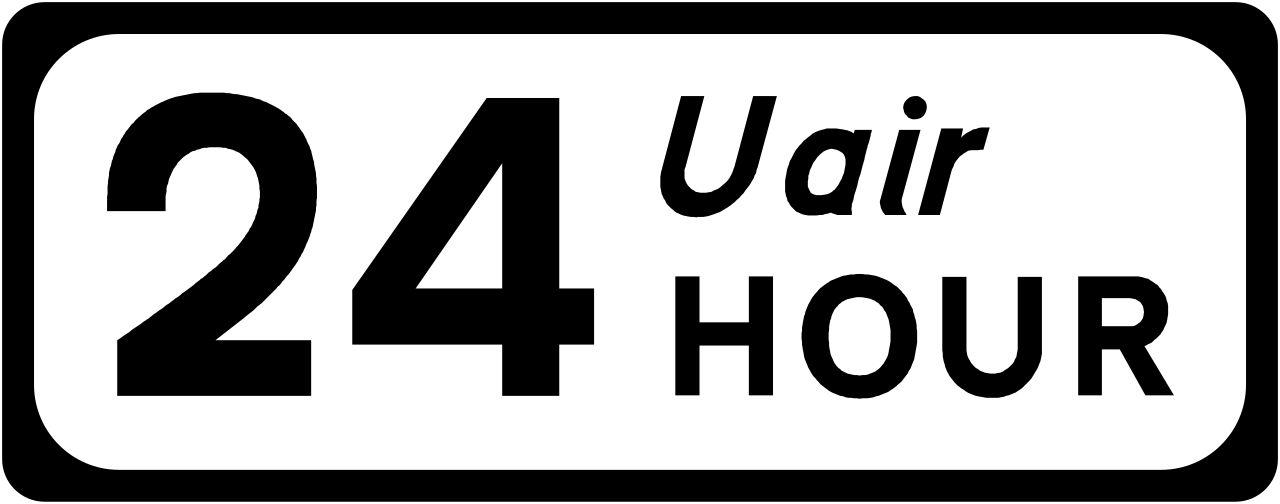
101. For the number of hours shown
This supplementary sign indicates that the main traffic sign applies for the number of hours shown.
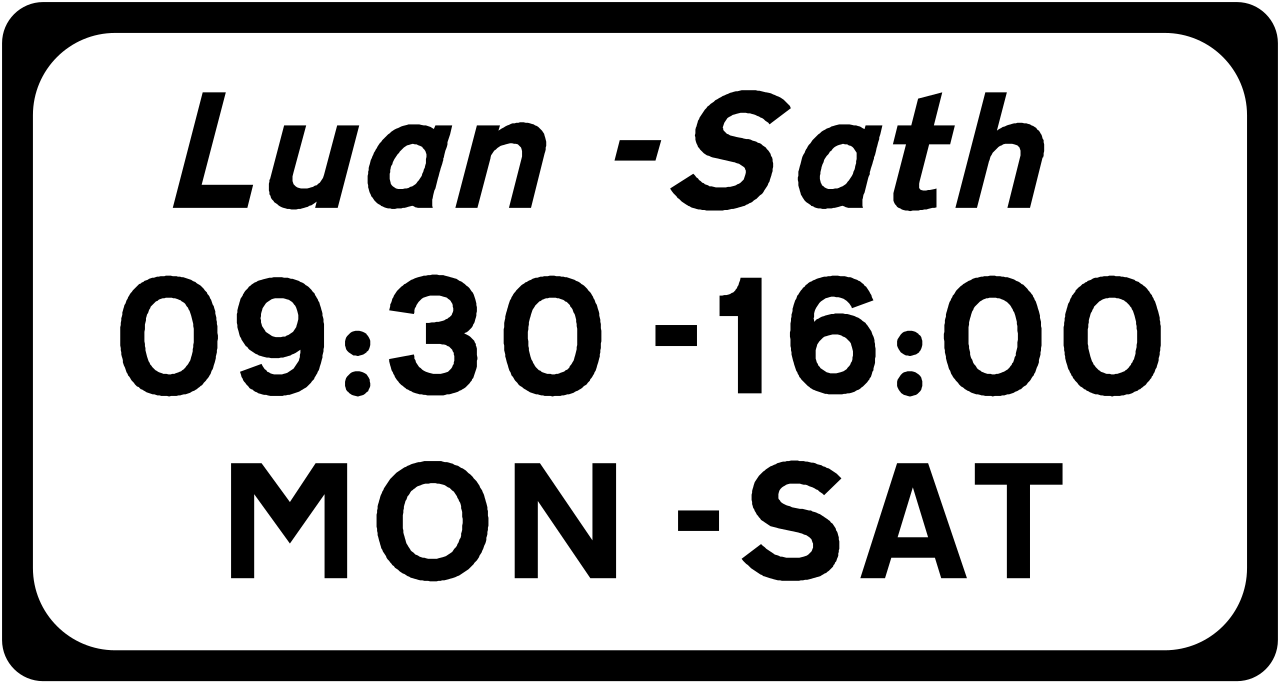
102. During the time shown on the indicated days
This supplementary sign indicates that the main traffic sign applies during the time shown on the indicated days.
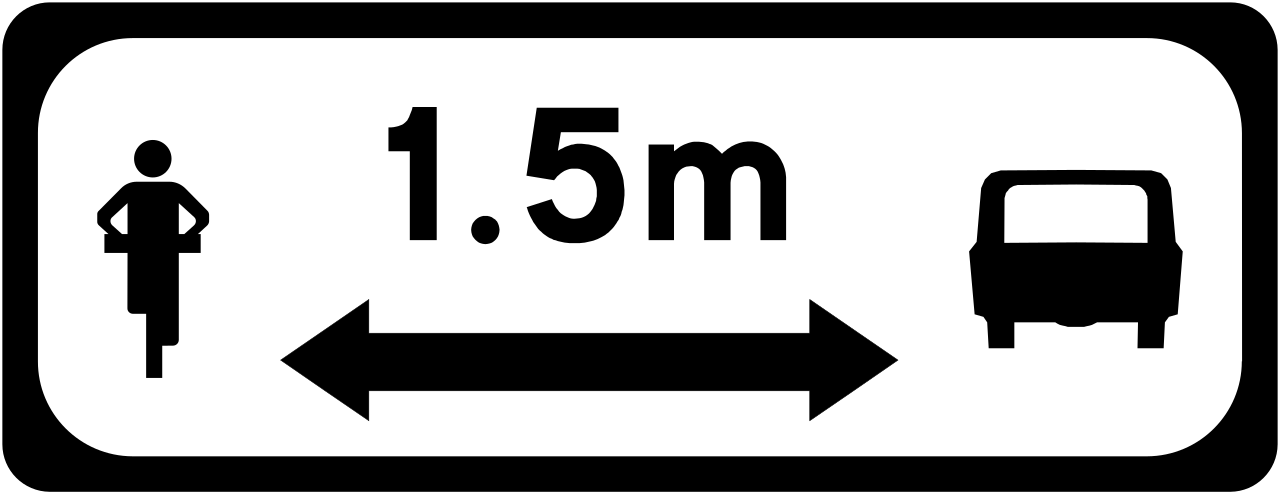
103. Minimum overtaking distance from cyclists
This supplementary sign indicates the minimum lateral distance to be kept from cyclists when overtaking. The required distance is shown on the sign.
104. Recommended speed
This supplementary sign indicates a recommended speed rather than a maximum speed limit. Its legal effect depends on the applicable local rules.
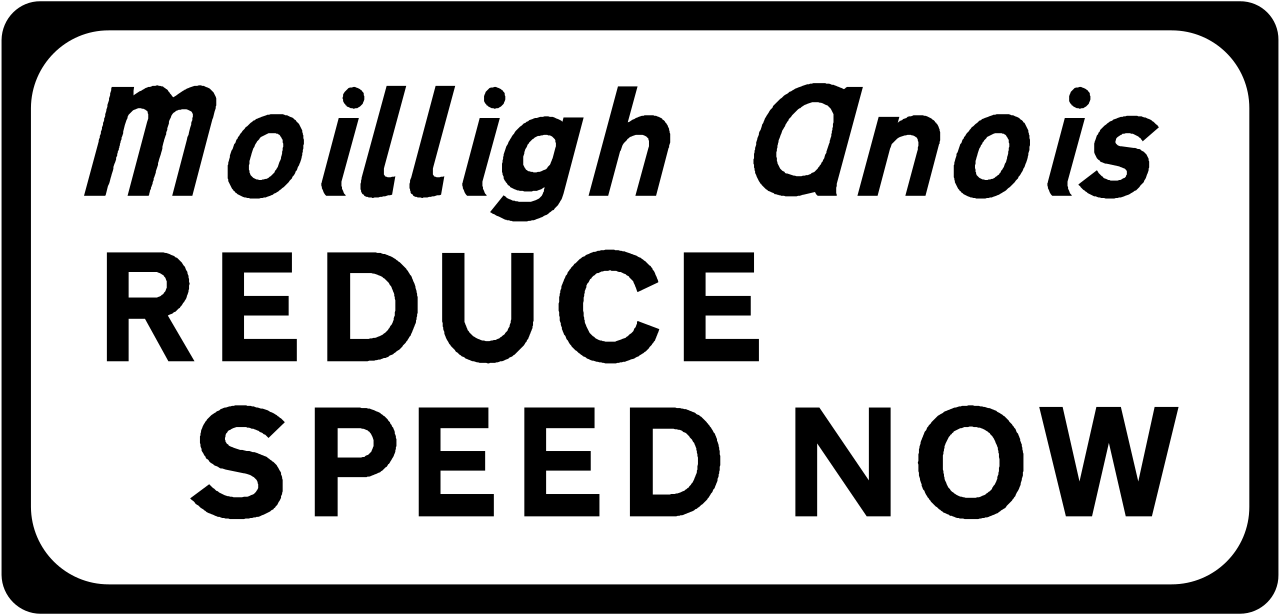
105. Reduce speed now
This supplementary sign instructs or advises drivers to reduce speed immediately in connection with the situation indicated by the main traffic sign.
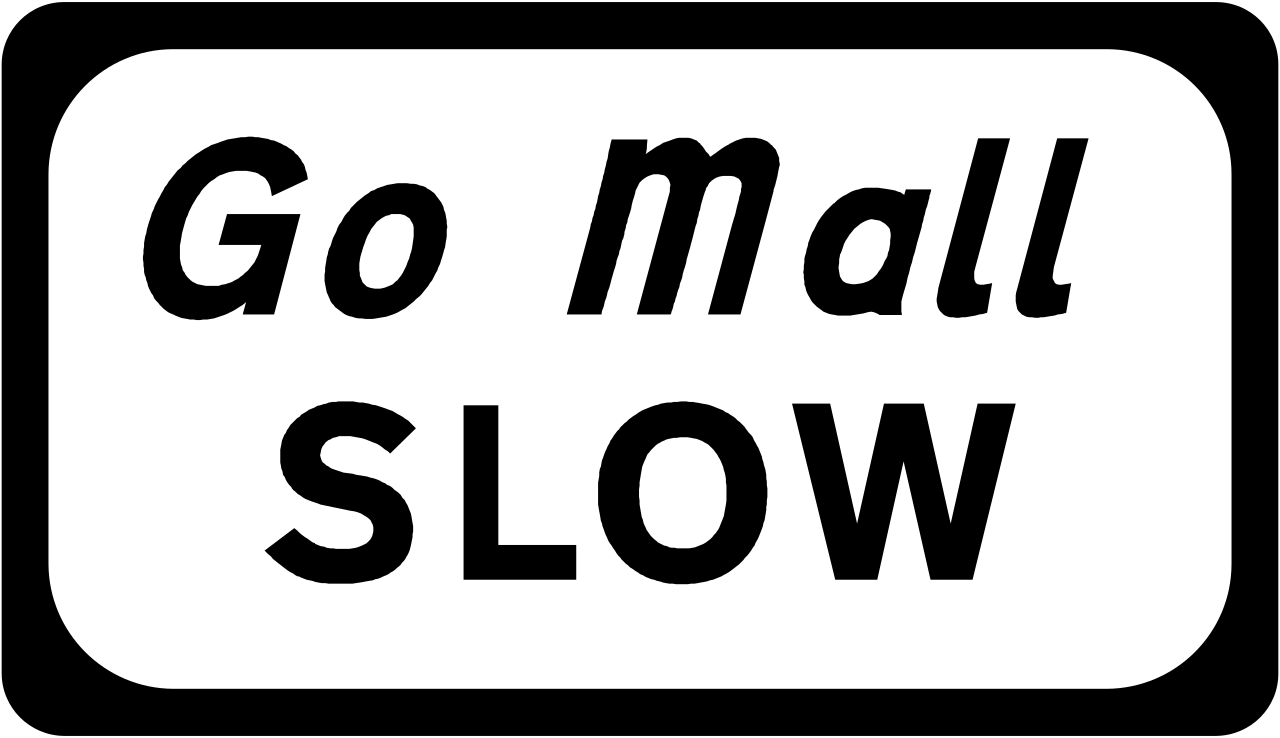
106. Drive slowly
This supplementary sign advises drivers to drive slowly in connection with the situation indicated by the main traffic sign.
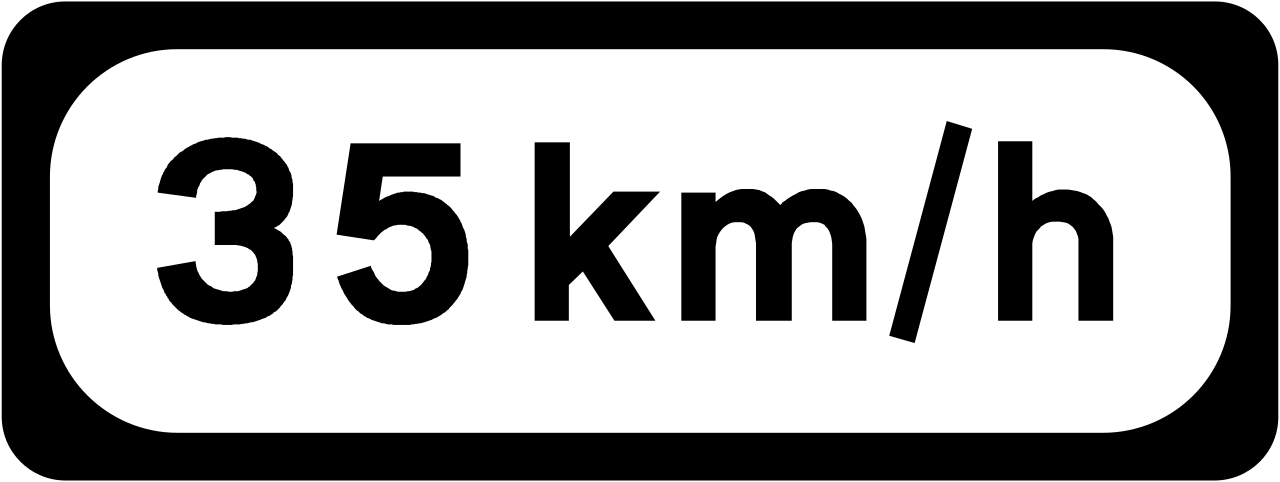
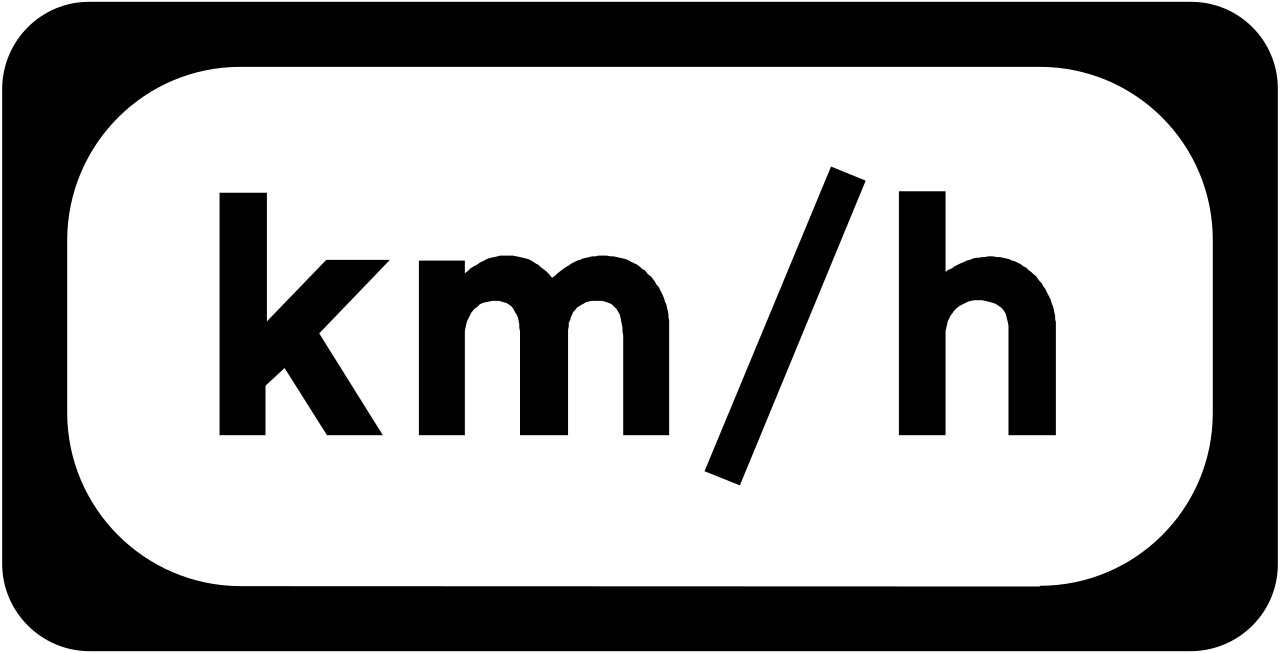
107. Speed in km/h
This supplementary sign indicates that the displayed speed is expressed in kilometres per hour (km/h).
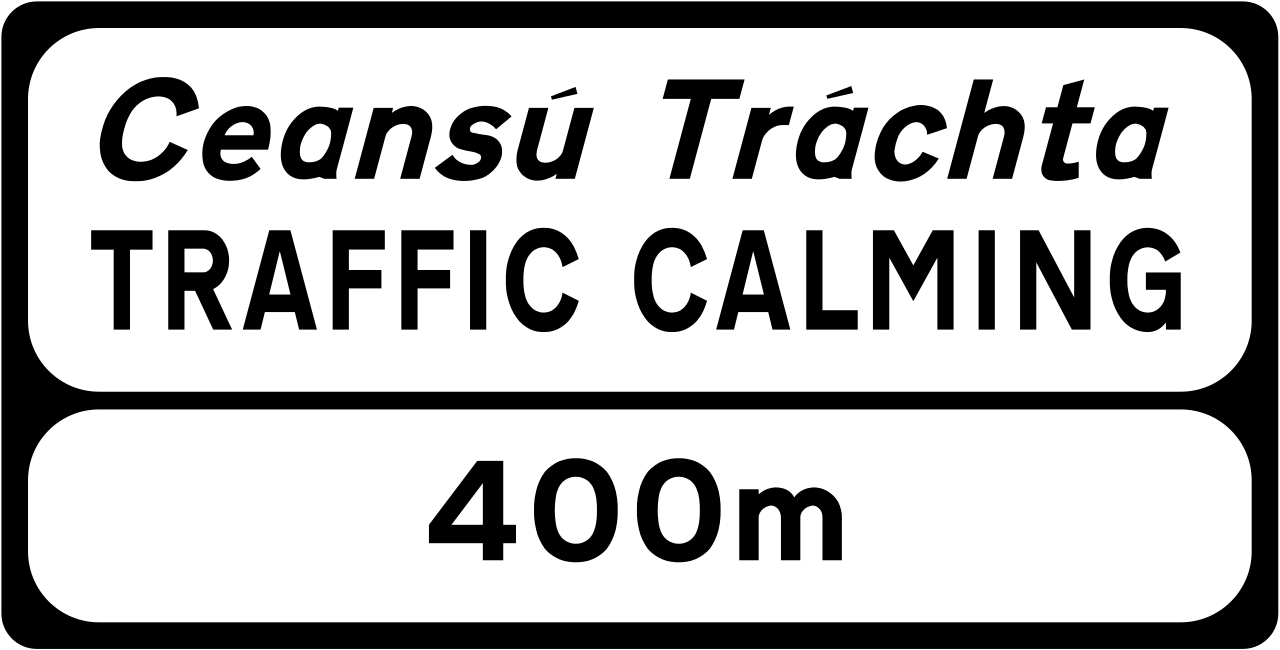
108. Traffic calming
This supplementary sign indicates that the main traffic sign applies in an area with traffic-calming measures.
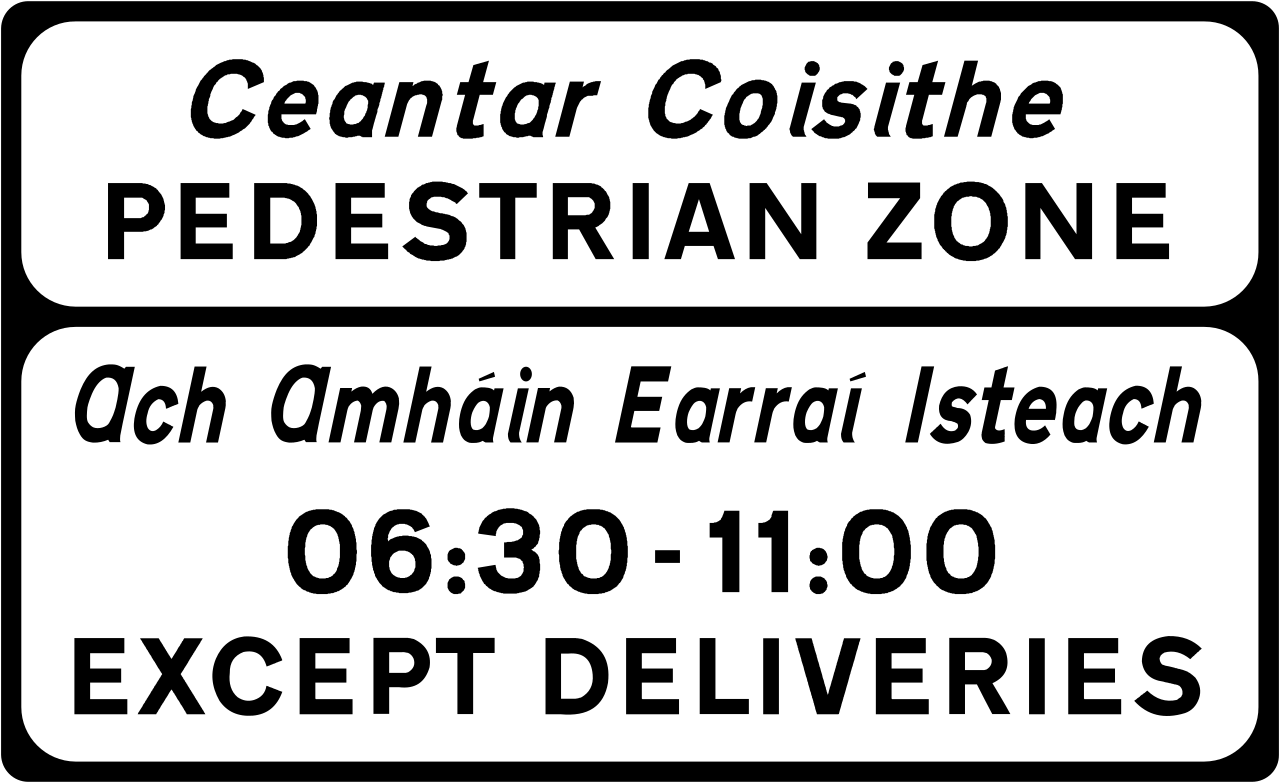
109. Pedestrian zone
This supplementary sign indicates that the main traffic sign applies to a pedestrian zone.
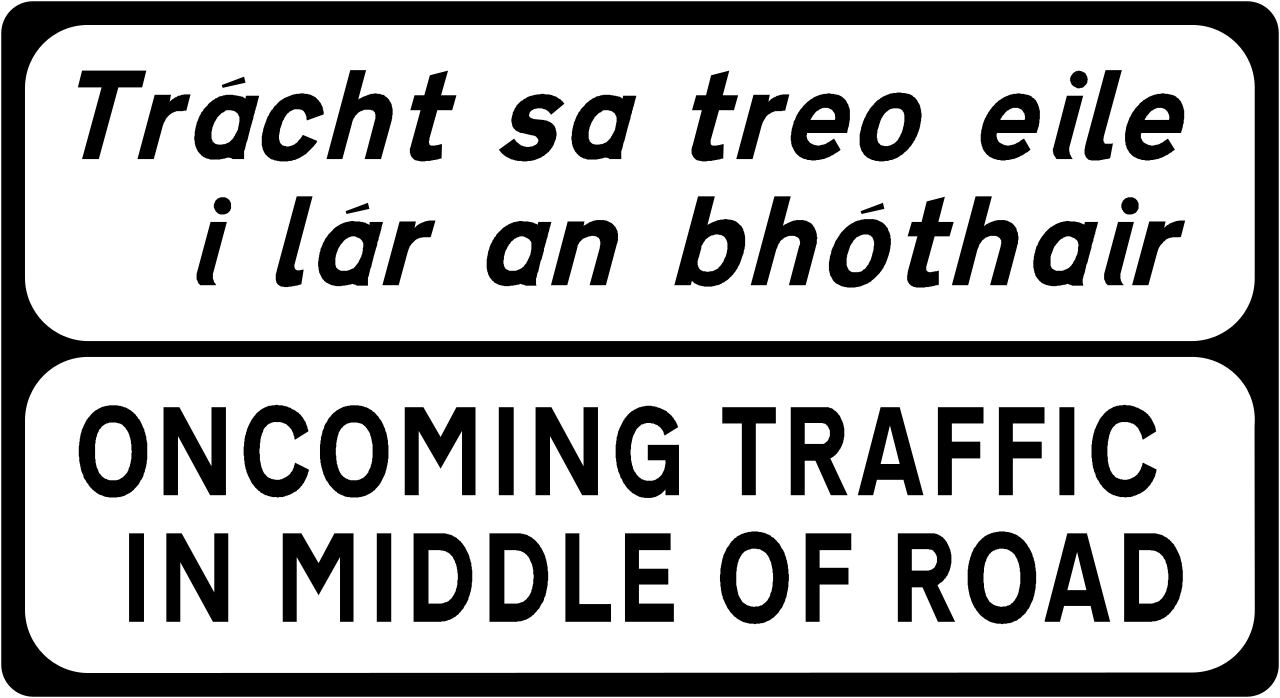
110. Oncoming vehicles in the middle of the road
This supplementary sign warns that oncoming vehicles may use the middle of the road.
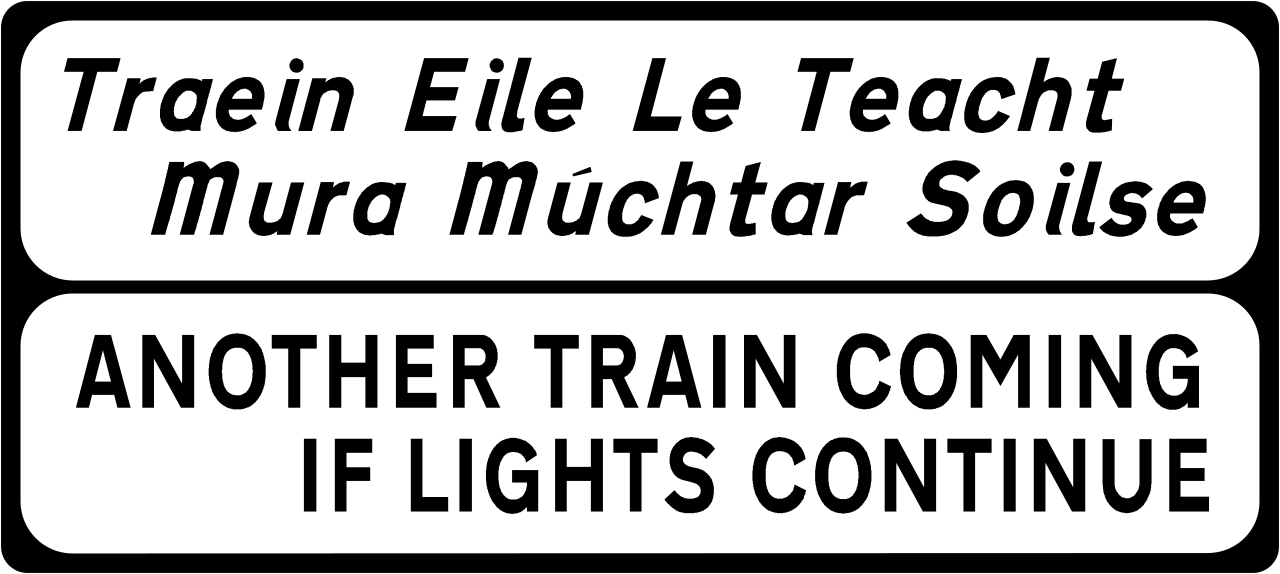
111. Another train coming if lights continue flashing
This supplementary sign warns that another train may be approaching if the crossing lights continue flashing after a train has passed.
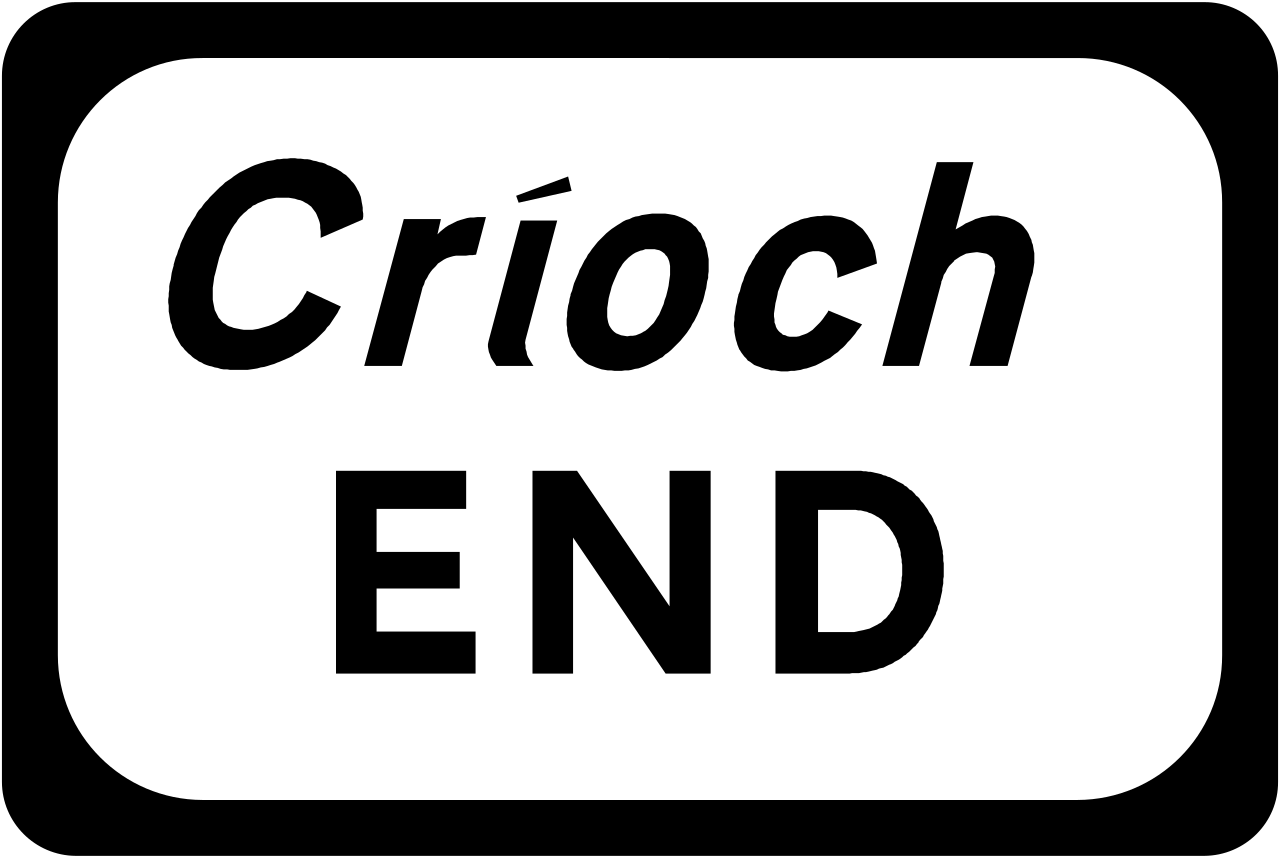
112. End
This supplementary sign indicates the end of the section to which the main traffic sign applies.